
About This Book
A narrator escorts a small girl through a bustling town, detailing crowds, shops, street musicians, confectioners, toy windows, and caged animals while alternating between affectionate attention to her delight and wry adult observation. The child's spontaneous wonder animates window displays, dolls, and sweets into miniature worlds, while the narrator reflects on human habits, social types, and the compromises of city life. Scenes emphasize contrasts between playful imagination and sober experience, showing how ordinary urban sights become moral and fanciful vignettes when seen through a child's eyes.
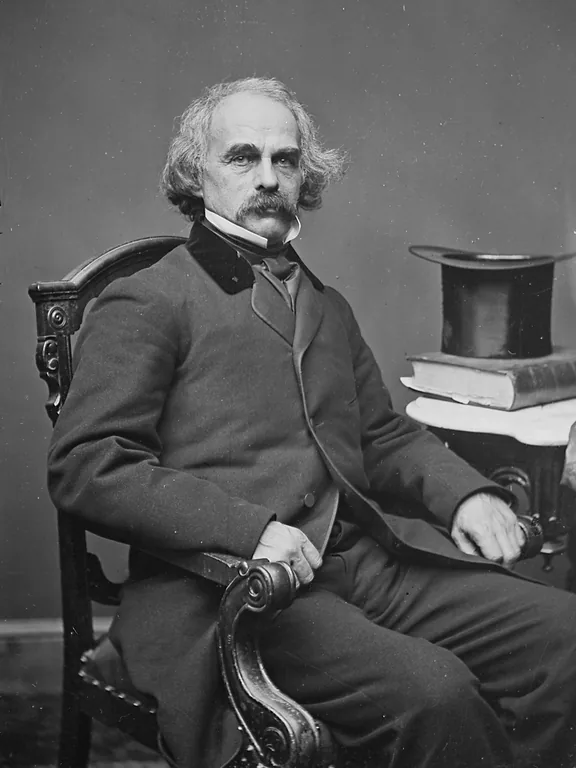
About the Author
More Books by This Author
6 picks
 "Browne's Folly" / (From: "The Doliver Romance and Other Pieces: Tales and Sketches")
by Nathaniel Hawthorne
"Browne's Folly" / (From: "The Doliver Romance and Other Pieces: Tales and Sketches")
by Nathaniel Hawthorne
 A Bell's Biography
by Nathaniel Hawthorne
A Bell's Biography
by Nathaniel Hawthorne
 A Book of Autographs
by Nathaniel Hawthorne
A Book of Autographs
by Nathaniel Hawthorne
 A Rill from the Town Pump
by Nathaniel Hawthorne
A Rill from the Town Pump
by Nathaniel Hawthorne
 A Select Party
by Nathaniel Hawthorne
A Select Party
by Nathaniel Hawthorne
 A Virtuoso's Collection (From "Mosses from an Old Manse")
by Nathaniel Hawthorne
A Virtuoso's Collection (From "Mosses from an Old Manse")
by Nathaniel Hawthorne
You May Also Like
6 picks
 Omoo: Adventures in the South Seas
by Herman Melville
Omoo: Adventures in the South Seas
by Herman Melville
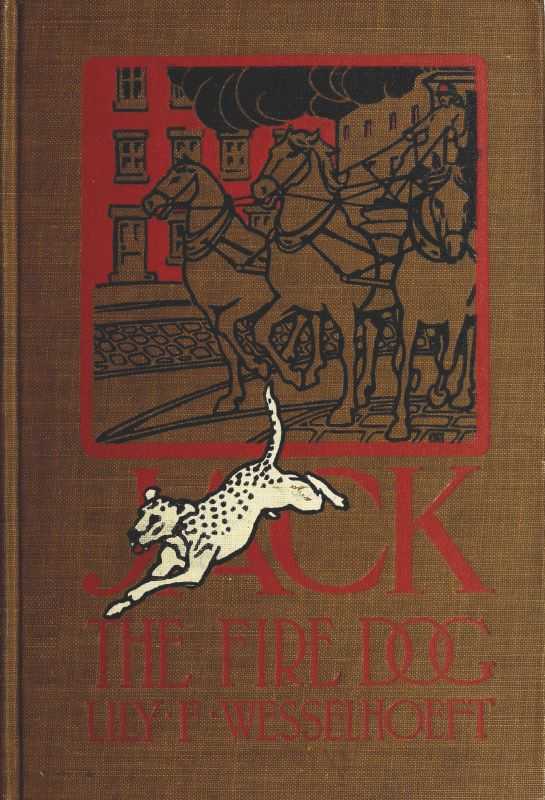 Jack, the Fire Dog
by Lily F. Wesselhoeft
Jack, the Fire Dog
by Lily F. Wesselhoeft
 Mountain: A Novel
by Clement Wood
Mountain: A Novel
by Clement Wood
 The Wing-and-Wing; Or, Le Feu-Follet
by James Fenimore Cooper
The Wing-and-Wing; Or, Le Feu-Follet
by James Fenimore Cooper
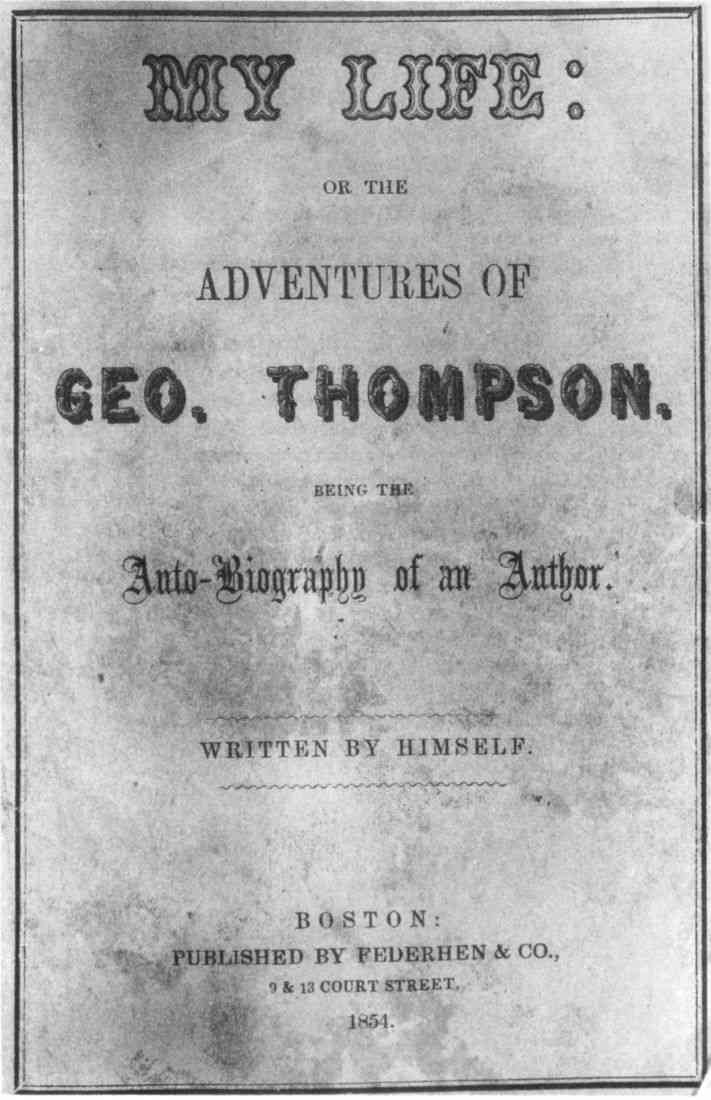 My Life: or the Adventures of Geo. Thompson / Being the Auto-Biography of an Author. Written by Himself.
by George Thompson
My Life: or the Adventures of Geo. Thompson / Being the Auto-Biography of an Author. Written by Himself.
by George Thompson
 A Little Garden Calendar for Boys and Girls
by Albert Bigelow Paine
A Little Garden Calendar for Boys and Girls
by Albert Bigelow Paine