
Lectures on Landscape / Delivered at Oxford in Lent Term, 1871
Explore more books like this:
About This Book
A series of illustrated lectures addressed to undergraduates that treat landscape and animal painting as disciplined studies linking close natural observation with human significance. The speaker argues that landscapes gain meaning through their relation to human life and action, analyzes pictorial elements such as composition, light and shade, and color, and uses examples from celebrated painters to show how technical effects serve moral and expressive ends. Practical guidance is offered on integrating natural history—particularly fish study—into artistic training, and on observing form, atmosphere, and ornamentation so that depiction reflects both physical phenomena and their human consequences.
About the Author
More Books by This Author
6 picks
 "Præterita": souvenirs de jeunesse
by John Ruskin
"Præterita": souvenirs de jeunesse
by John Ruskin
 A Joy For Ever (and Its Price in the Market)
by John Ruskin
A Joy For Ever (and Its Price in the Market)
by John Ruskin
 Aratra Pentelici, Seven Lectures on the Elements of Sculpture / Given before the University of Oxford in Michaelmas Term, 1870
by John Ruskin
Aratra Pentelici, Seven Lectures on the Elements of Sculpture / Given before the University of Oxford in Michaelmas Term, 1870
by John Ruskin
 Ariadne Florentina: Six Lectures on Wood and Metal Engraving
by John Ruskin
Ariadne Florentina: Six Lectures on Wood and Metal Engraving
by John Ruskin
 Fors Clavigera (Volume 6 of 8) /
by John Ruskin
Fors Clavigera (Volume 6 of 8) /
by John Ruskin
 Giotto and his works in Padua / An Explanatory Notice of the Series of Woodcuts Executed for the Arundel Society After the Frescoes in the Arena Chapel
by John Ruskin
Giotto and his works in Padua / An Explanatory Notice of the Series of Woodcuts Executed for the Arundel Society After the Frescoes in the Arena Chapel
by John Ruskin
You May Also Like
6 picks
 Pagan and Christian Creeds: Their Origin and Meaning
by Edward Carpenter
Pagan and Christian Creeds: Their Origin and Meaning
by Edward Carpenter
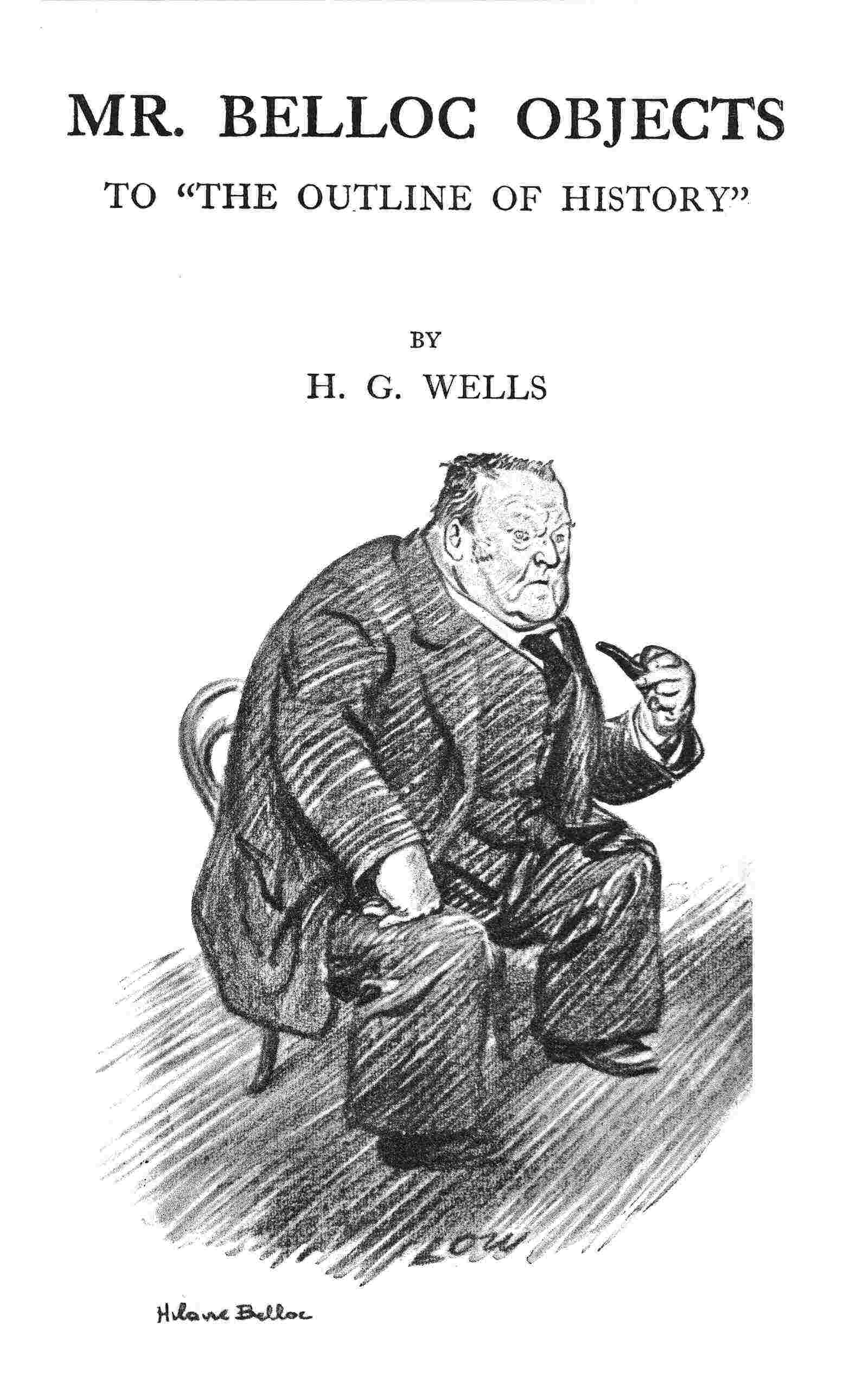 Mr. Belloc objects to "The outline of history"
by H. G. Wells
Mr. Belloc objects to "The outline of history"
by H. G. Wells
 Second Treatise of Government
by John Locke
Second Treatise of Government
by John Locke
 Seraphita
by Honoré de Balzac
Seraphita
by Honoré de Balzac
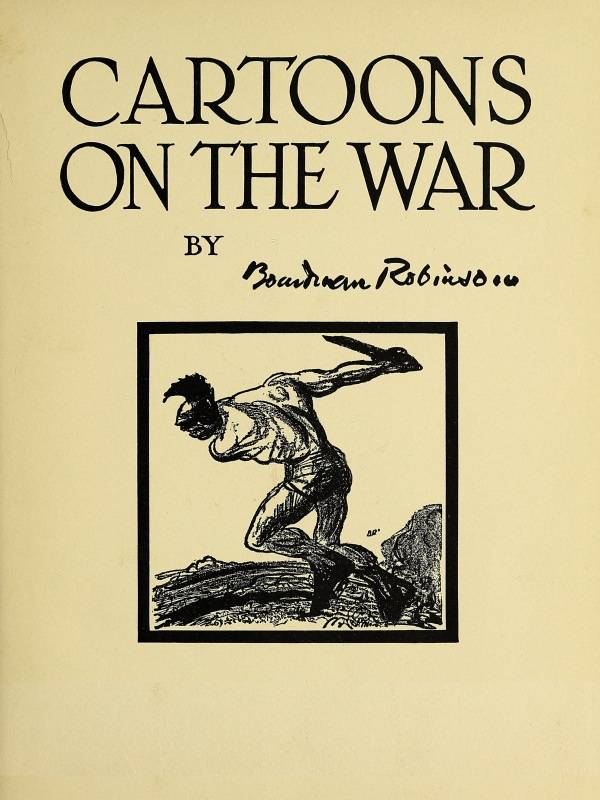 Cartoons on the War
by Boardman Robinson
Cartoons on the War
by Boardman Robinson
 Origin and Development of Form and Ornament in Ceramic Art. / Fourth Annual Report of the Bureau of Ethnology to the Secretary of the Smithsonian Institution, 1882-1883, Government Printing Office, Washington, 1886, pages 437-466.
by William Henry Holmes
Origin and Development of Form and Ornament in Ceramic Art. / Fourth Annual Report of the Bureau of Ethnology to the Secretary of the Smithsonian Institution, 1882-1883, Government Printing Office, Washington, 1886, pages 437-466.
by William Henry Holmes