
Lectures on Art, Delivered Before the University of Oxford in Hilary Term, 1870
Explore more books like this:
About This Book
The author presents a series of lectures that examine art's purposes and principles, arguing for its moral, religious, and practical relations while distinguishing visionary imagination from disciplined design. Early lectures discuss how art influences belief and conduct and its usefulness in daily life; later lectures analyze formal elements such as line, light, and colour and their expressive effects. Throughout, the lectures combine ethical reflection, critical examples, and technical guidance, urging creators and viewers to balance sincere observation, measured method, and social responsibility in the making and appreciation of visual art.
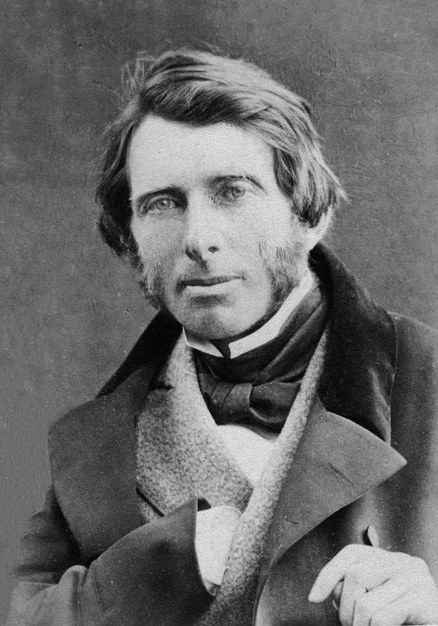
About the Author
More Books by This Author
6 picks
 "Præterita": souvenirs de jeunesse
by John Ruskin
"Præterita": souvenirs de jeunesse
by John Ruskin
 A Joy For Ever (and Its Price in the Market)
by John Ruskin
A Joy For Ever (and Its Price in the Market)
by John Ruskin
 Aratra Pentelici, Seven Lectures on the Elements of Sculpture / Given before the University of Oxford in Michaelmas Term, 1870
by John Ruskin
Aratra Pentelici, Seven Lectures on the Elements of Sculpture / Given before the University of Oxford in Michaelmas Term, 1870
by John Ruskin
 Ariadne Florentina: Six Lectures on Wood and Metal Engraving
by John Ruskin
Ariadne Florentina: Six Lectures on Wood and Metal Engraving
by John Ruskin
 Fors Clavigera (Volume 6 of 8) /
by John Ruskin
Fors Clavigera (Volume 6 of 8) /
by John Ruskin
 Giotto and his works in Padua / An Explanatory Notice of the Series of Woodcuts Executed for the Arundel Society After the Frescoes in the Arena Chapel
by John Ruskin
Giotto and his works in Padua / An Explanatory Notice of the Series of Woodcuts Executed for the Arundel Society After the Frescoes in the Arena Chapel
by John Ruskin
You May Also Like
6 picks
 The attitudes of animals in motion, illustrated with the zoopraxiscope
by Eadweard Muybridge
The attitudes of animals in motion, illustrated with the zoopraxiscope
by Eadweard Muybridge
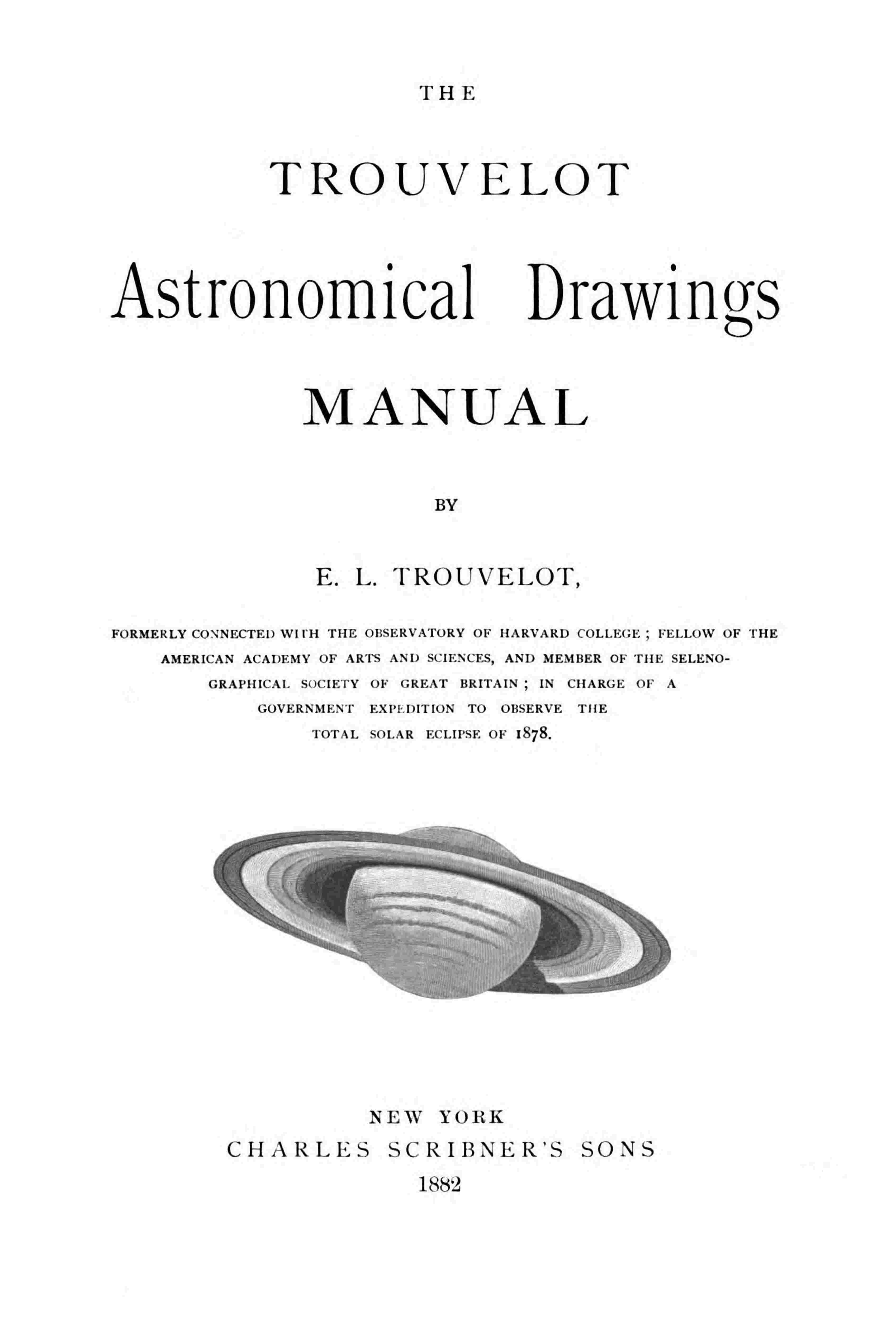 The Trouvelot astronomical drawings manual
by E. L. Trouvelot
The Trouvelot astronomical drawings manual
by E. L. Trouvelot
 Wackenroders "Herzensergießungen eines kunstliebenden Klosterbruders" in ihrem Verhältnis zu Vasari
by Ernst Dessauer
Wackenroders "Herzensergießungen eines kunstliebenden Klosterbruders" in ihrem Verhältnis zu Vasari
by Ernst Dessauer
 The Bombardment of Reims
by Barr Ferree
The Bombardment of Reims
by Barr Ferree
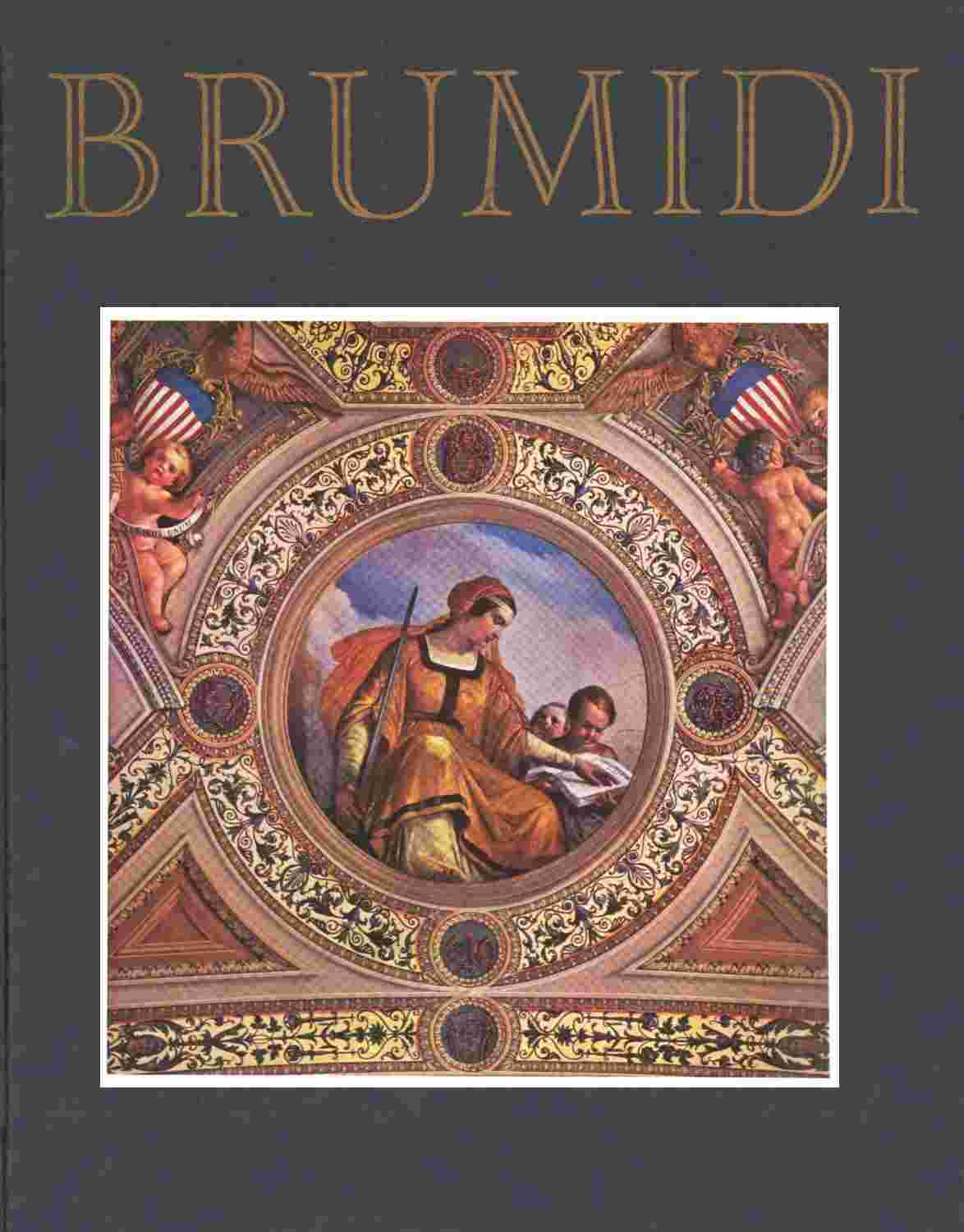 Constantino Brumidi, Michelangelo of the United States Capitol
by Myrtle Cheney Murdock
Constantino Brumidi, Michelangelo of the United States Capitol
by Myrtle Cheney Murdock
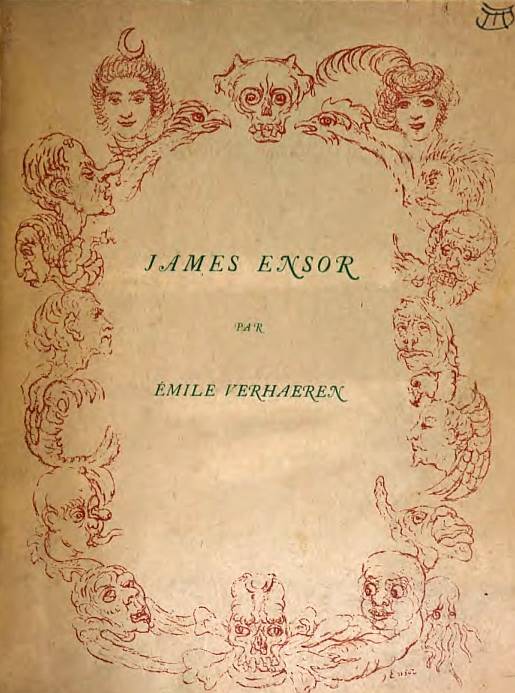 James Ensor
by Emile Verhaeren
James Ensor
by Emile Verhaeren