

Lectures on Architecture and Painting, Delivered at Edinburgh in November 1853
Explore more books like this:
About This Book
The volume collects a series of lectures and essays that examine architectural form and ornament, principles of painting, and the social meaning of art. Early lectures analyze structural types, towers and windows, and the relation of decoration to function; later pieces offer critical readings of landscape painting with extended commentary on Turner and of mid-century aesthetic movements associated with Pre-Raphaelitism. Interspersed are close studies of draughtsmanship—trees, rocks, and sculptural detail—and reflections on marine scenes and harbors. Throughout, arguments link artistic technique to moral and political considerations, advocating authentic observation, structural honesty, and the artist’s ethical role in public life.
About the Author
More Books by This Author
 "Præterita": souvenirs de jeunesse
by John Ruskin
"Præterita": souvenirs de jeunesse
by John Ruskin
 A Joy For Ever (and Its Price in the Market)
by John Ruskin
A Joy For Ever (and Its Price in the Market)
by John Ruskin
 Aratra Pentelici, Seven Lectures on the Elements of Sculpture / Given before the University of Oxford in Michaelmas Term, 1870
by John Ruskin
Aratra Pentelici, Seven Lectures on the Elements of Sculpture / Given before the University of Oxford in Michaelmas Term, 1870
by John Ruskin
 Ariadne Florentina: Six Lectures on Wood and Metal Engraving
by John Ruskin
Ariadne Florentina: Six Lectures on Wood and Metal Engraving
by John Ruskin
 Fors Clavigera (Volume 6 of 8) /
by John Ruskin
Fors Clavigera (Volume 6 of 8) /
by John Ruskin
 Giotto and his works in Padua / An Explanatory Notice of the Series of Woodcuts Executed for the Arundel Society After the Frescoes in the Arena Chapel
by John Ruskin
Giotto and his works in Padua / An Explanatory Notice of the Series of Woodcuts Executed for the Arundel Society After the Frescoes in the Arena Chapel
by John Ruskin
You May Also Like
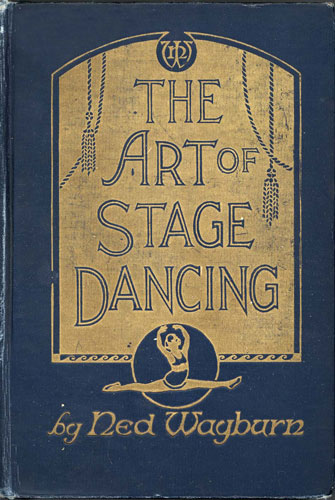 The Art of Stage Dancing / The Story of a Beautiful and Profitable Profession
by Ned Wayburn
The Art of Stage Dancing / The Story of a Beautiful and Profitable Profession
by Ned Wayburn
 The Care of Books
by John Willis Clark
The Care of Books
by John Willis Clark
 Windsor Castle
by Edward Thomas
Windsor Castle
by Edward Thomas
 Collecting Old Glass, English and Irish
by Sir J. H. Yoxall
Collecting Old Glass, English and Irish
by Sir J. H. Yoxall
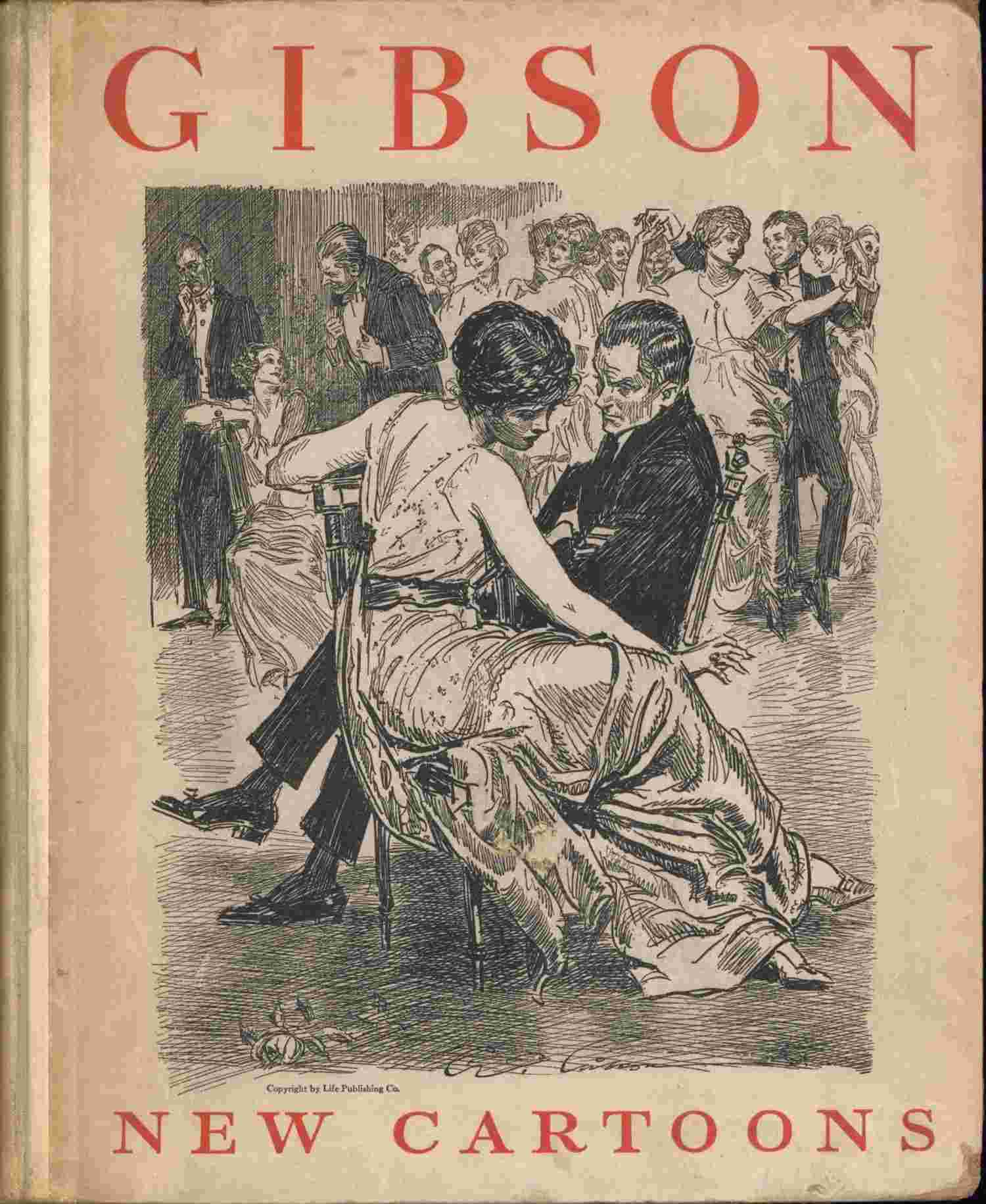 Gibson: New Cartoons; A book of Charles Dana Gibson's latest drawings
by Charles Dana Gibson
Gibson: New Cartoons; A book of Charles Dana Gibson's latest drawings
by Charles Dana Gibson
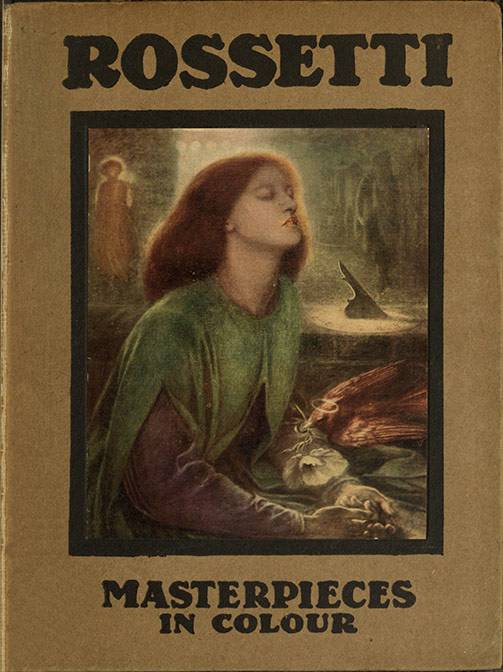 Rossetti
by Lucien Pissarro
Rossetti
by Lucien Pissarro