
Giotto and his works in Padua / An Explanatory Notice of the Series of Woodcuts Executed for the Arundel Society After the Frescoes in the Arena Chapel
Explore more books like this:
About This Book
The author offers an explanatory notice of the cycle of frescoes in the Arena Chapel, combining concise biographical notes on Giotto with background on the chapel's patronage and liturgical use. He outlines the narrative subjects depicted on the walls, situates them amid local religious practices and chivalric orders, and traces Giotto's methods and aims—greater naturalism, compositional clarity, and expressive human gesture—relative to earlier and later painters. Rather than producing a complete life, the account aims to make a published series of woodcuts intelligible to general readers by highlighting artistic intentions, thematic organization, and the frescoes' role in signaling a shift in medieval painting.
About the Author
More Books by This Author
 "Præterita": souvenirs de jeunesse
by John Ruskin
"Præterita": souvenirs de jeunesse
by John Ruskin
 A Joy For Ever (and Its Price in the Market)
by John Ruskin
A Joy For Ever (and Its Price in the Market)
by John Ruskin
 Aratra Pentelici, Seven Lectures on the Elements of Sculpture / Given before the University of Oxford in Michaelmas Term, 1870
by John Ruskin
Aratra Pentelici, Seven Lectures on the Elements of Sculpture / Given before the University of Oxford in Michaelmas Term, 1870
by John Ruskin
 Ariadne Florentina: Six Lectures on Wood and Metal Engraving
by John Ruskin
Ariadne Florentina: Six Lectures on Wood and Metal Engraving
by John Ruskin
 Fors Clavigera (Volume 6 of 8) /
by John Ruskin
Fors Clavigera (Volume 6 of 8) /
by John Ruskin
 Hortus Inclusus / Messages from the Wood to the Garden, Sent in Happy Days / to the Sister Ladies of the Thwaite, Coniston
by John Ruskin
Hortus Inclusus / Messages from the Wood to the Garden, Sent in Happy Days / to the Sister Ladies of the Thwaite, Coniston
by John Ruskin
You May Also Like
 Paint & Colour Mixing / A practical handbook for painters, decorators and all who have to mix colours, containing 72 samples of paint of various colours, including the principal graining grounds
by Arthur Seymour Jennings
Paint & Colour Mixing / A practical handbook for painters, decorators and all who have to mix colours, containing 72 samples of paint of various colours, including the principal graining grounds
by Arthur Seymour Jennings
 Mythology in Marble
by Louie M. Bell
Mythology in Marble
by Louie M. Bell
 Michelangelo
by Edward C. Strutt
Michelangelo
by Edward C. Strutt
 Maiolica
by C. Drury E. Fortnum
Maiolica
by C. Drury E. Fortnum
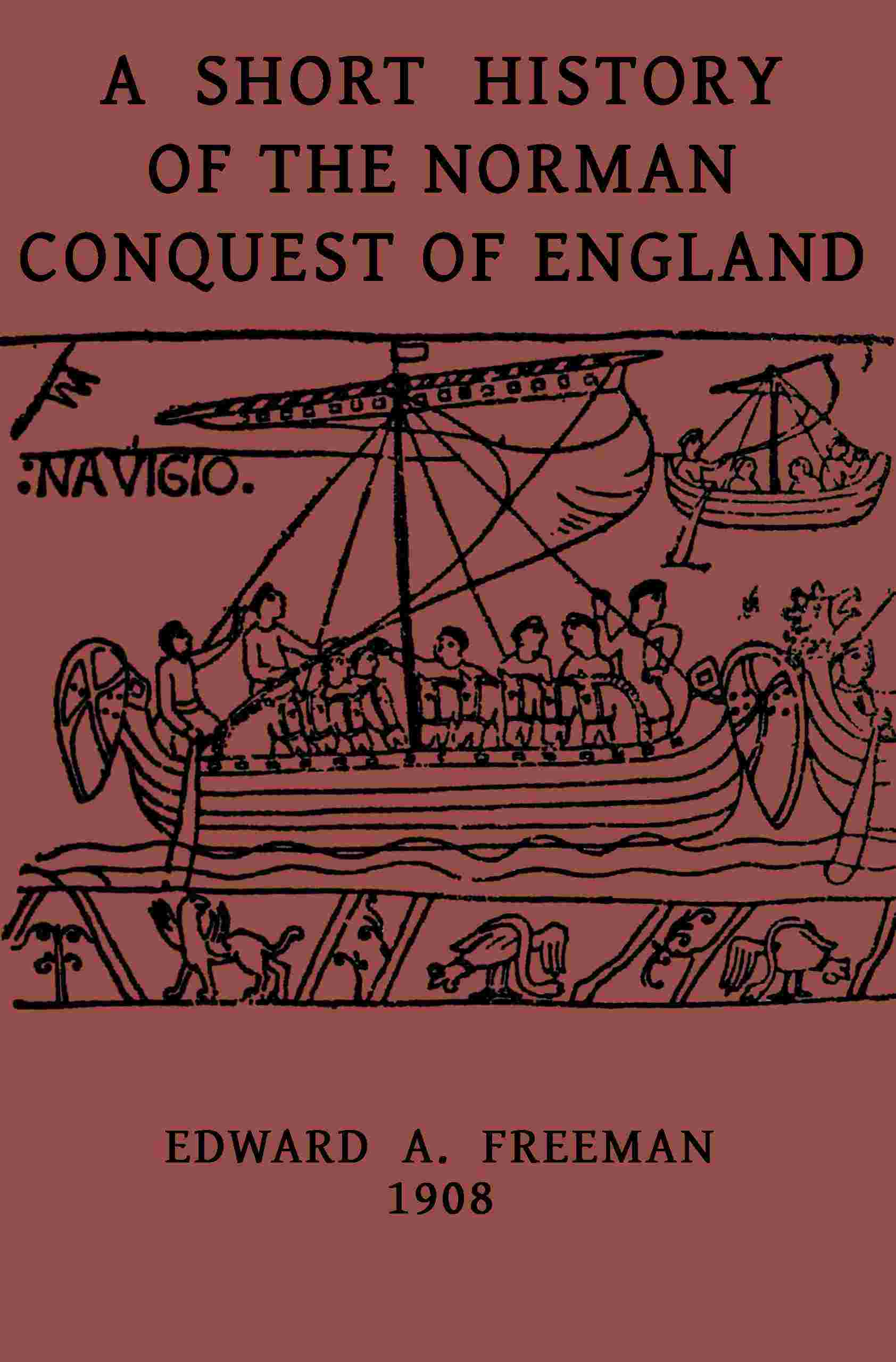 A short history of the Norman Conquest of England
by Edward A. Freeman
A short history of the Norman Conquest of England
by Edward A. Freeman
 Pot-Boilers
by Clive Bell
Pot-Boilers
by Clive Bell