
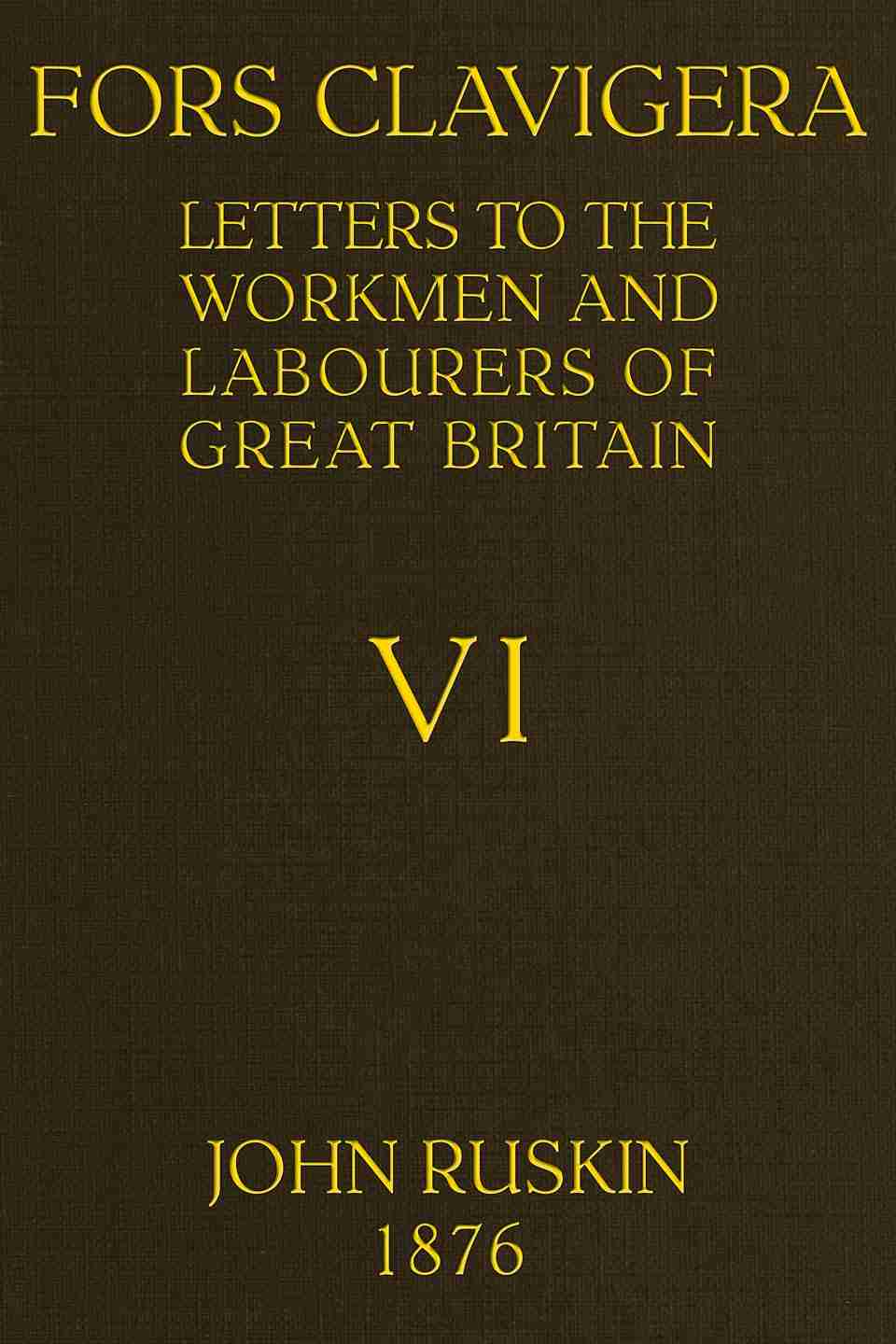
About This Book
A sequence of letters addressed to workmen and labourers that blends moral argument, social criticism, and cultural commentary. The author critiques superficial charitable relief and commercialized values, links spiritual and civic decline to material and artistic neglect, and argues for reforms grounded in Christian ethics, education, and aesthetic cultivation. Personal reflections on setbacks and responsibilities recur alongside observations about public tastes, industrial injustice, and the dangers of celebrity and spectacle, culminating in appeals for practical change, moral vigilance, and communal self-improvement.
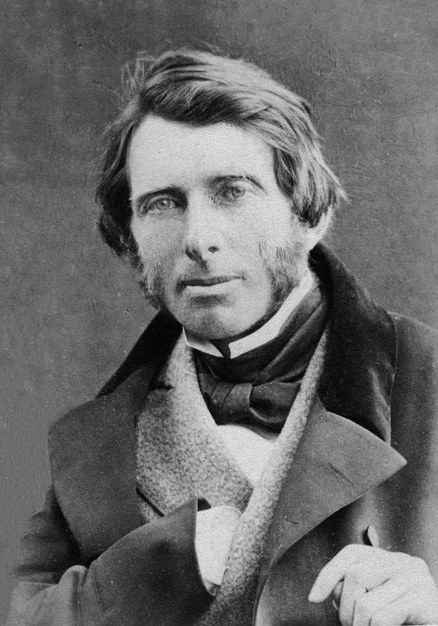
About the Author
More Books by This Author
6 picks
 "Præterita": souvenirs de jeunesse
by John Ruskin
"Præterita": souvenirs de jeunesse
by John Ruskin
 A Joy For Ever (and Its Price in the Market)
by John Ruskin
A Joy For Ever (and Its Price in the Market)
by John Ruskin
 Aratra Pentelici, Seven Lectures on the Elements of Sculpture / Given before the University of Oxford in Michaelmas Term, 1870
by John Ruskin
Aratra Pentelici, Seven Lectures on the Elements of Sculpture / Given before the University of Oxford in Michaelmas Term, 1870
by John Ruskin
 Ariadne Florentina: Six Lectures on Wood and Metal Engraving
by John Ruskin
Ariadne Florentina: Six Lectures on Wood and Metal Engraving
by John Ruskin
 Giotto and his works in Padua / An Explanatory Notice of the Series of Woodcuts Executed for the Arundel Society After the Frescoes in the Arena Chapel
by John Ruskin
Giotto and his works in Padua / An Explanatory Notice of the Series of Woodcuts Executed for the Arundel Society After the Frescoes in the Arena Chapel
by John Ruskin
 Hortus Inclusus / Messages from the Wood to the Garden, Sent in Happy Days / to the Sister Ladies of the Thwaite, Coniston
by John Ruskin
Hortus Inclusus / Messages from the Wood to the Garden, Sent in Happy Days / to the Sister Ladies of the Thwaite, Coniston
by John Ruskin
You May Also Like
6 picks
 The Life and Letters of Ogier Ghiselin de Busbecq, Volumes 1 and 2
by Ogier Ghislain de Busbecq
The Life and Letters of Ogier Ghiselin de Busbecq, Volumes 1 and 2
by Ogier Ghislain de Busbecq
 Goose-Quill Papers
by Louise Imogen Guiney
Goose-Quill Papers
by Louise Imogen Guiney
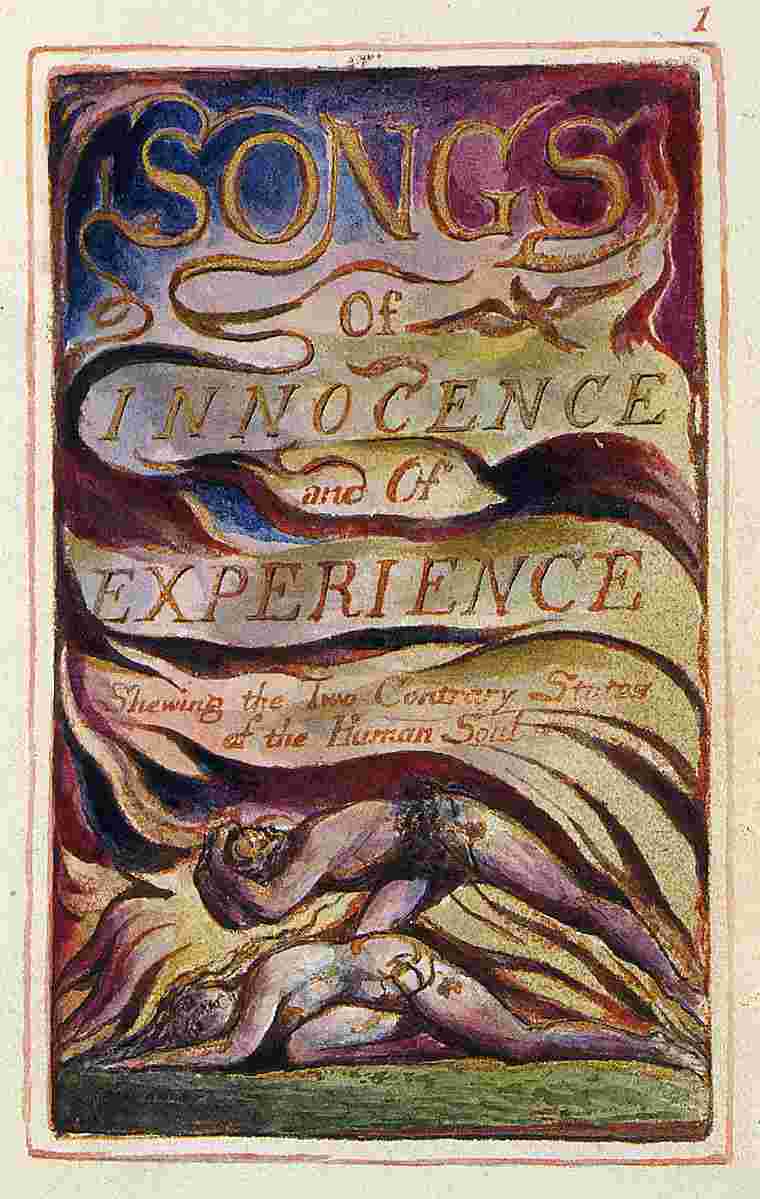 Songs of Innocence and of Experience
by William Blake
Songs of Innocence and of Experience
by William Blake
 The outlaw of Torn
by Edgar Rice Burroughs
The outlaw of Torn
by Edgar Rice Burroughs
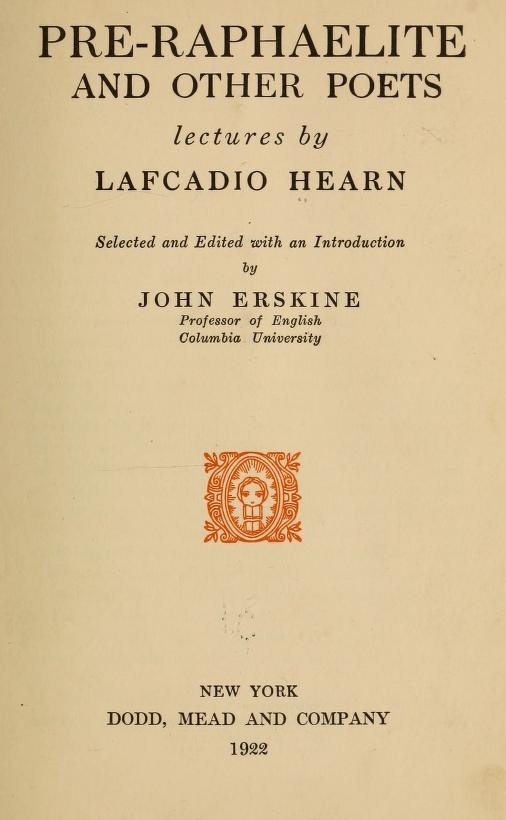 Pre-Raphaelite and other Poets
by Lafcadio Hearn
Pre-Raphaelite and other Poets
by Lafcadio Hearn
 Collected Articles of Frederick Douglass
by Frederick Douglass
Collected Articles of Frederick Douglass
by Frederick Douglass