
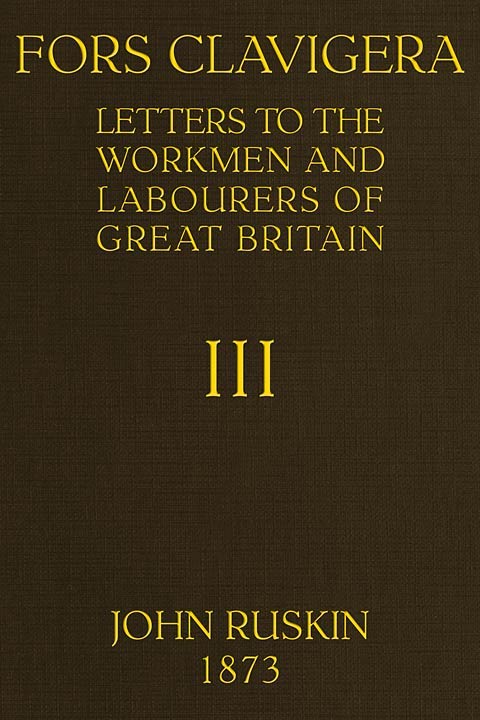
Fors Clavigera (Volume 3 of 8) / Letters to the workmen and labourers of Great Britain
The author addresses British workmen through a series of letters that mix practical instruction, domestic anecdote, and moral reflection. He juxtaposes recipes and everyday detail with close readings of national symbols to challenge industrial priorities, labour conditions, and narrow ideas of education. Arguing for dexterity, useful work, and ethical reform, the correspondence examines how manufacturing, commerce, and religious teaching shape public life, urging conscientious labour and meaningful rest while criticizing profiteering and the dehumanising tendencies of modern industry.
About This Book
The author addresses British workmen through a series of letters that mix practical instruction, domestic anecdote, and moral reflection. He juxtaposes recipes and everyday detail with close readings of national symbols to challenge industrial priorities, labour conditions, and narrow ideas of education. Arguing for dexterity, useful work, and ethical reform, the correspondence examines how manufacturing, commerce, and religious teaching shape public life, urging conscientious labour and meaningful rest while criticizing profiteering and the dehumanising tendencies of modern industry.
About the Author
More Books by This Author
 "Præterita": souvenirs de jeunesse
by John Ruskin
"Præterita": souvenirs de jeunesse
by John Ruskin
 A Joy For Ever (and Its Price in the Market)
by John Ruskin
A Joy For Ever (and Its Price in the Market)
by John Ruskin
 Aratra Pentelici, Seven Lectures on the Elements of Sculpture / Given before the University of Oxford in Michaelmas Term, 1870
by John Ruskin
Aratra Pentelici, Seven Lectures on the Elements of Sculpture / Given before the University of Oxford in Michaelmas Term, 1870
by John Ruskin
 Ariadne Florentina: Six Lectures on Wood and Metal Engraving
by John Ruskin
Ariadne Florentina: Six Lectures on Wood and Metal Engraving
by John Ruskin
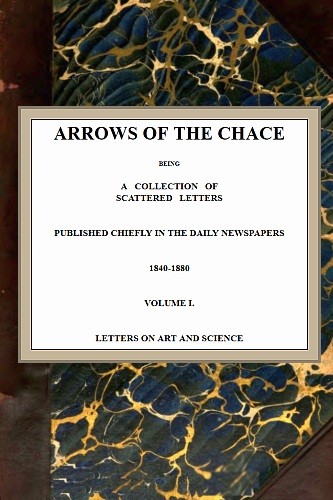 Arrows of the Chace, vol. 1/2 / being a collection of scattered letters published chiefly in the daily newspapers 1840-1880
by John Ruskin
Arrows of the Chace, vol. 1/2 / being a collection of scattered letters published chiefly in the daily newspapers 1840-1880
by John Ruskin
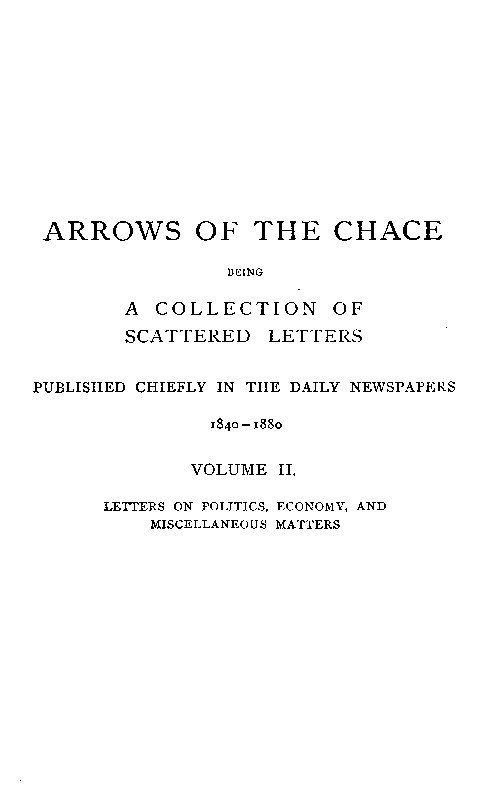 Arrows of the Chace, vol. 2/2 / being a collection of scattered letters published chiefly in the daily newspapers 1840-1880
by John Ruskin
Arrows of the Chace, vol. 2/2 / being a collection of scattered letters published chiefly in the daily newspapers 1840-1880
by John Ruskin
You May Also Like
 "1914"
by John Oxenham
"1914"
by John Oxenham
 "All's Well"; or, Alice's Victory
by Emily Sarah Holt
"All's Well"; or, Alice's Victory
by Emily Sarah Holt
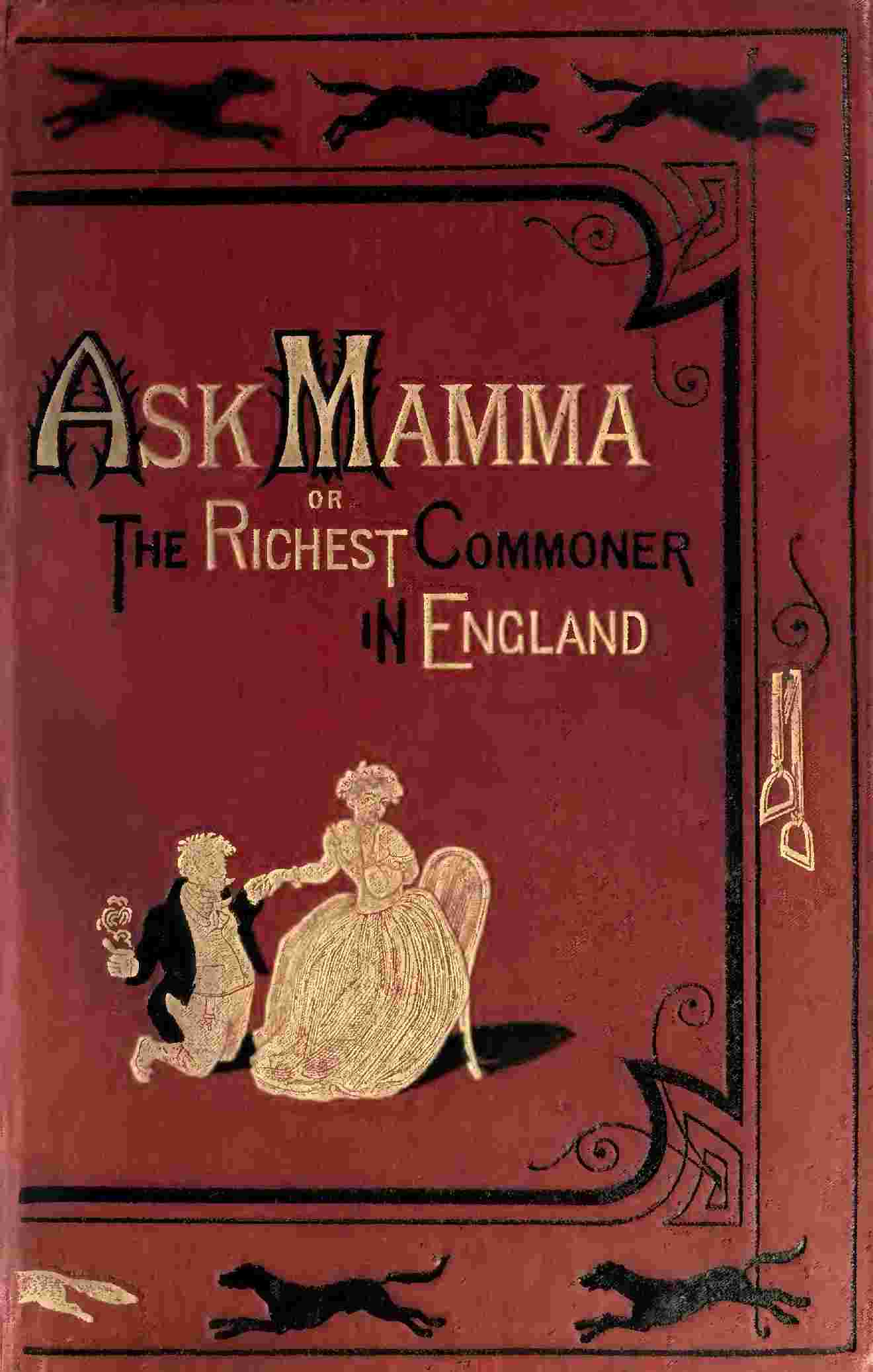 "Ask Mamma"; or, The Richest Commoner In England
by Robert Smith Surtees
"Ask Mamma"; or, The Richest Commoner In England
by Robert Smith Surtees
 "Bones": Being Further Adventures in Mr. Commissioner Sanders' Country
by Edgar Wallace
"Bones": Being Further Adventures in Mr. Commissioner Sanders' Country
by Edgar Wallace
 "Captains Courageous": A Story of the Grand Banks
by Rudyard Kipling
"Captains Courageous": A Story of the Grand Banks
by Rudyard Kipling
 "Captains Courageous": A Story of the Grand Banks
by Rudyard Kipling
"Captains Courageous": A Story of the Grand Banks
by Rudyard Kipling