

About This Book
An elderly man named Mr. Smith is visited in his solitude by Fancy, Memory, and Conscience, who present a box of pictures showing vivid scenes of sinful thoughts and near-misdeeds he never enacted. As Memory reads passages that link each image to past intimations, Conscience repeatedly unveils itself and inflicts sharp inward torment, forcing him to confront whether unperpetrated intentions can corrupt the soul as actual crimes do. The moral spectacle shifts between ironic self-defense and painful recognition, and it concludes by suggesting that genuine penitence, rather than outward proof, might cleanse the haunting images.
About the Author
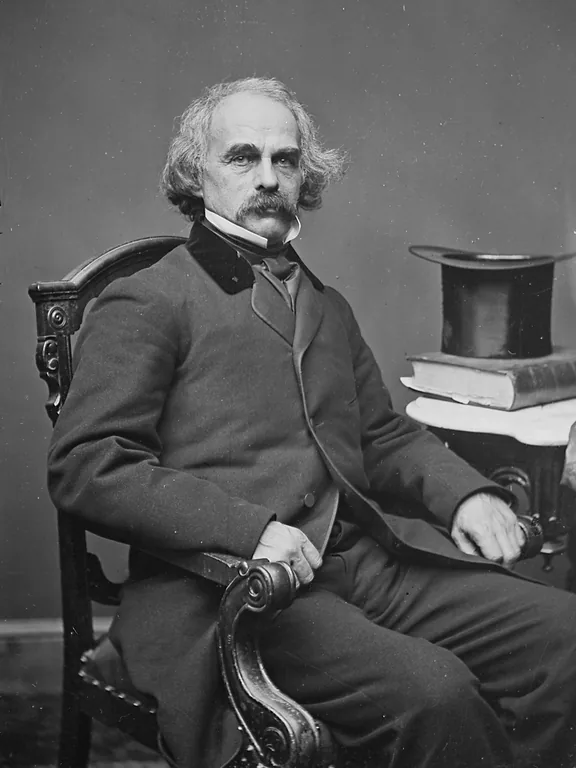
More Books by This Author
6 picks
 "Browne's Folly" / (From: "The Doliver Romance and Other Pieces: Tales and Sketches")
by Nathaniel Hawthorne
"Browne's Folly" / (From: "The Doliver Romance and Other Pieces: Tales and Sketches")
by Nathaniel Hawthorne
 A Bell's Biography
by Nathaniel Hawthorne
A Bell's Biography
by Nathaniel Hawthorne
 A Book of Autographs
by Nathaniel Hawthorne
A Book of Autographs
by Nathaniel Hawthorne
 A Rill from the Town Pump
by Nathaniel Hawthorne
A Rill from the Town Pump
by Nathaniel Hawthorne
 A Select Party
by Nathaniel Hawthorne
A Select Party
by Nathaniel Hawthorne
 A Virtuoso's Collection (From "Mosses from an Old Manse")
by Nathaniel Hawthorne
A Virtuoso's Collection (From "Mosses from an Old Manse")
by Nathaniel Hawthorne
You May Also Like
6 picks
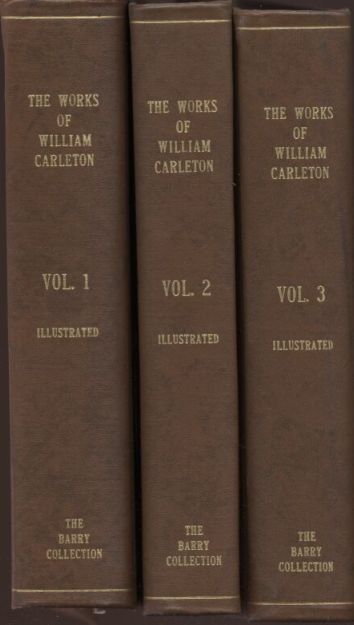 Stories and Tales of the Irish: A Linked Index to the Project Gutenberg Editions
by William Carleton
Stories and Tales of the Irish: A Linked Index to the Project Gutenberg Editions
by William Carleton
 The Water Goats, and Other Troubles
by Ellis Parker Butler
The Water Goats, and Other Troubles
by Ellis Parker Butler
 Clover and Blue Grass
by Eliza Calvert Hall
Clover and Blue Grass
by Eliza Calvert Hall
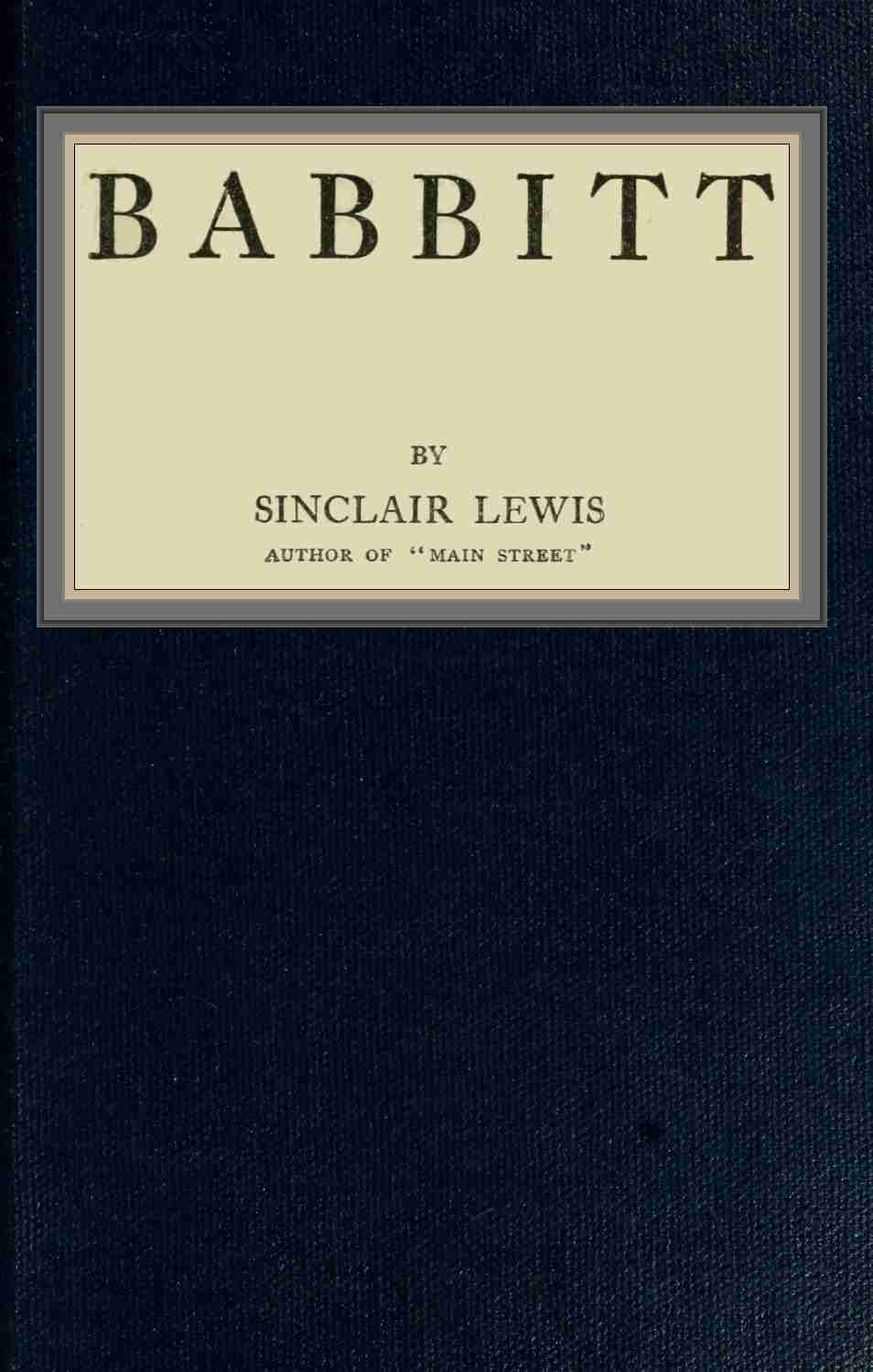 Babbitt
by Sinclair Lewis
Babbitt
by Sinclair Lewis
 The President: A Novel
by Alfred Henry Lewis
The President: A Novel
by Alfred Henry Lewis
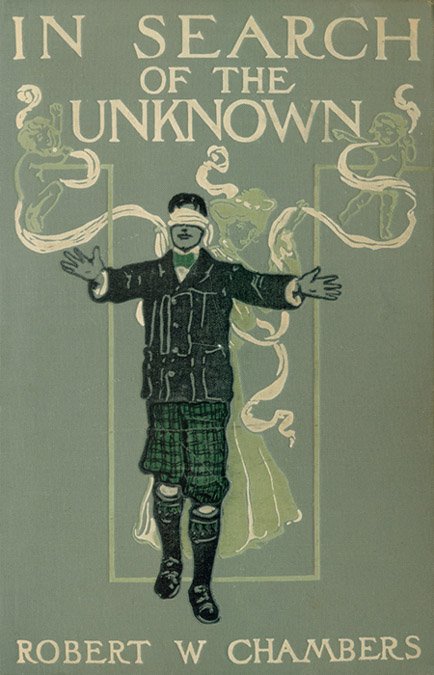 In Search of the Unknown
by Robert W. Chambers
In Search of the Unknown
by Robert W. Chambers