

About This Book
The narrator attends a huge, symbolic bonfire where crowds consign worn-out trumpery to the flames: coats of arms, noble insignia, crowns, royal regalia, and even barrels of liquor. Spectators celebrate the apparent overthrow of hereditary privilege and the purging of vice, while thoughtful onlookers register both the cathartic delight and the danger that new superstitions or vanities may replace the old. Through satirical description and moral reflection, the work examines collective ritual, social upheaval, hypocrisy, and the uncertain consequences of sweeping reforms.
About the Author
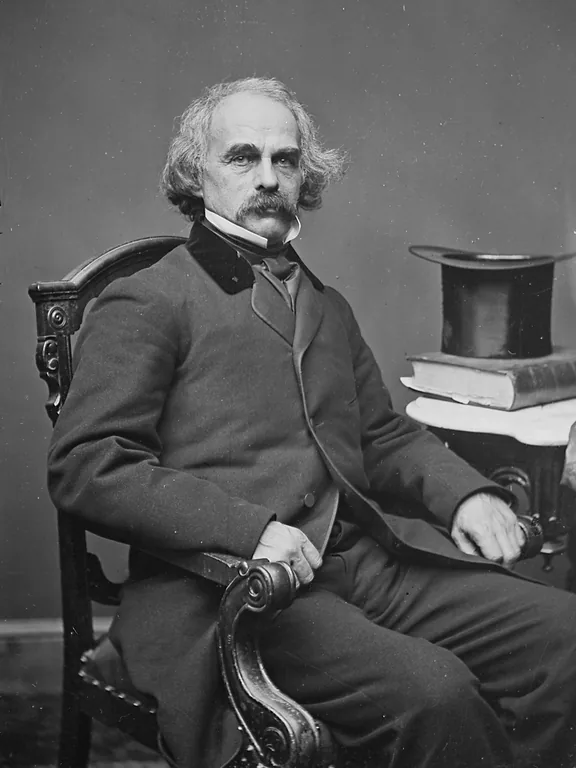
More Books by This Author
6 picks
 "Browne's Folly" / (From: "The Doliver Romance and Other Pieces: Tales and Sketches")
by Nathaniel Hawthorne
"Browne's Folly" / (From: "The Doliver Romance and Other Pieces: Tales and Sketches")
by Nathaniel Hawthorne
 A Bell's Biography
by Nathaniel Hawthorne
A Bell's Biography
by Nathaniel Hawthorne
 A Book of Autographs
by Nathaniel Hawthorne
A Book of Autographs
by Nathaniel Hawthorne
 A Rill from the Town Pump
by Nathaniel Hawthorne
A Rill from the Town Pump
by Nathaniel Hawthorne
 A Select Party
by Nathaniel Hawthorne
A Select Party
by Nathaniel Hawthorne
 A Virtuoso's Collection (From "Mosses from an Old Manse")
by Nathaniel Hawthorne
A Virtuoso's Collection (From "Mosses from an Old Manse")
by Nathaniel Hawthorne
You May Also Like
6 picks
 Incidents in the Life of a Slave Girl, Written by Herself
by Harriet A. Jacobs
Incidents in the Life of a Slave Girl, Written by Herself
by Harriet A. Jacobs
 The man in the street: Papers on American topics
by Meredith Nicholson
The man in the street: Papers on American topics
by Meredith Nicholson
 Hildegarde's Harvest
by Laura Elizabeth Howe Richards
Hildegarde's Harvest
by Laura Elizabeth Howe Richards
 The Essays of Arthur Schopenhauer: the Wisdom of Life
by Arthur Schopenhauer
The Essays of Arthur Schopenhauer: the Wisdom of Life
by Arthur Schopenhauer
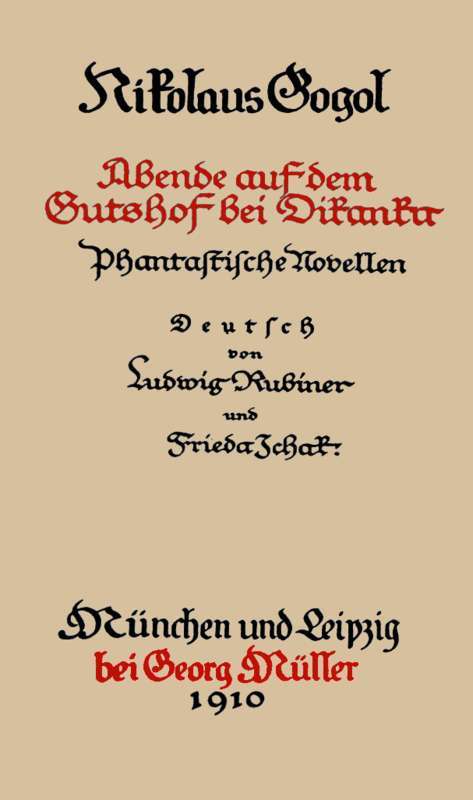 Sämmtliche Werke 3: Abende auf dem Gutshof bei Dikanka; Phantastische Novellen
by Nikolai Vasilevich Gogol
Sämmtliche Werke 3: Abende auf dem Gutshof bei Dikanka; Phantastische Novellen
by Nikolai Vasilevich Gogol
 James Fenimore Cooper
by Mary Elizabeth Phillips
James Fenimore Cooper
by Mary Elizabeth Phillips