
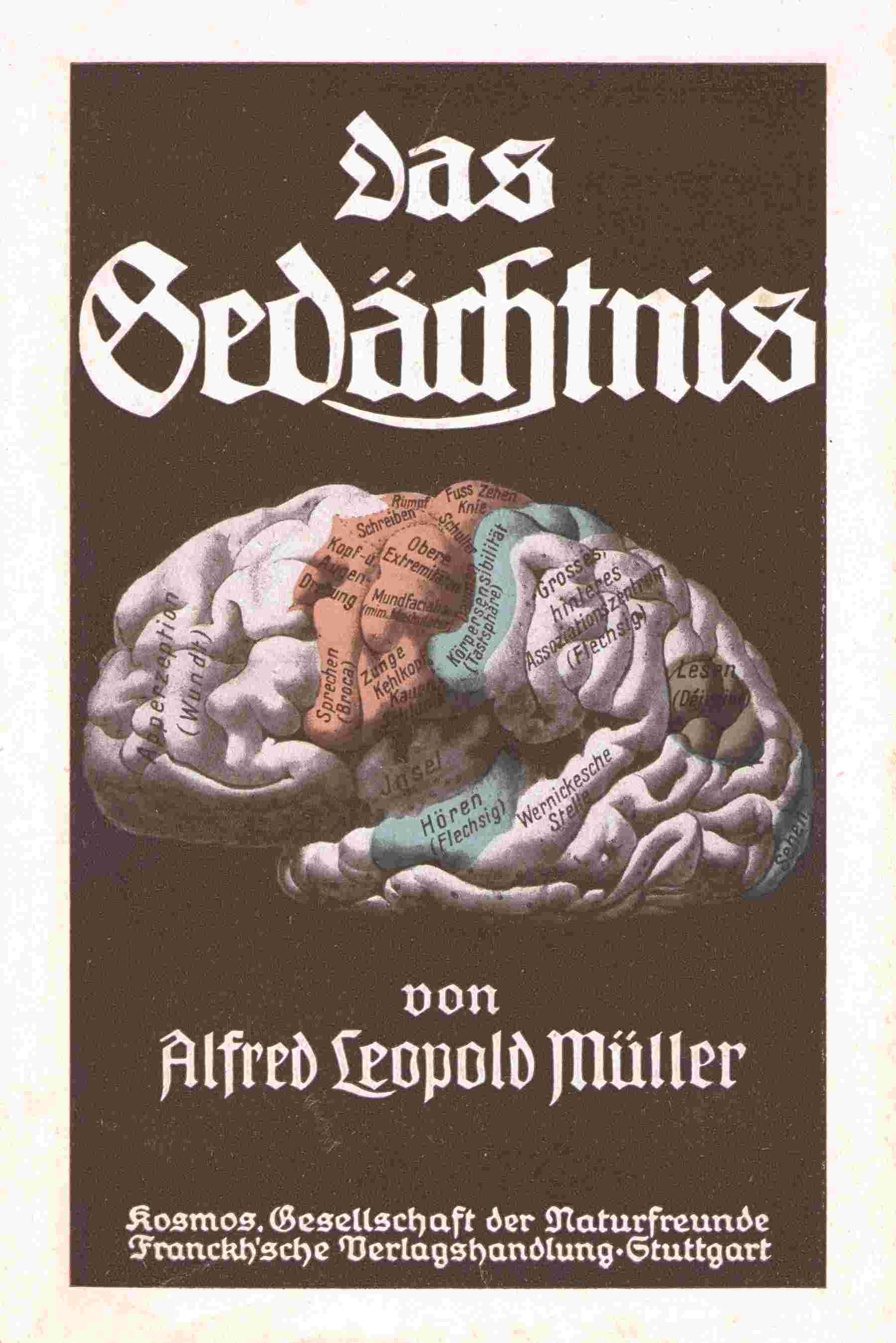
About This Book
The work examines the nature and central role of memory, defining it as the capacity to imprint, retain and later reproduce perceptions and ideas. It outlines the adoption of scientific experiment in studying mental life and describes consciousness and the internal mechanisms that support remembering. A substantial practical section offers rules for effective memory work, covering attention, rhythmic structuring, grouping, localization, organization, interest, whole-versus-part learning, spaced repetition, imagination and mnemonic techniques. It also addresses sensory testimony and its errors, individual differences in imagery, ways to detect missing elements in knowledge, and how inhibition, facilitation and health affect retention, concluding with a concise synthesis of theory and practice.
About the Author

You May Also Like
 Insomnia; and Other Disorders of Sleep
by Henry M. Lyman
Insomnia; and Other Disorders of Sleep
by Henry M. Lyman
 Eine Kindheitserinnerung des Leonardo da Vinci
by Sigmund Freud
Eine Kindheitserinnerung des Leonardo da Vinci
by Sigmund Freud
 The problem of lay-analyses
by Sigmund Freud
The problem of lay-analyses
by Sigmund Freud
 Illusions: A Psychological Study
by James Sully
Illusions: A Psychological Study
by James Sully
 Der Wahn und die Träume in W. Jensens »Gradiva«
by Sigmund Freud
Der Wahn und die Träume in W. Jensens »Gradiva«
by Sigmund Freud
 Introductory lectures on psycho-analysis
by Sigmund Freud
Introductory lectures on psycho-analysis
by Sigmund Freud