
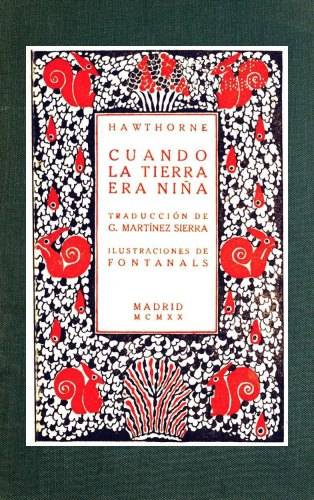
About This Book
A young storyteller gathers a lively group of children beneath a country porch and recounts retellings of classical myths and fairy tales adapted for youthful listeners. The frame narrative alternates between pastoral scenes at the house and imaginative, dramatized accounts of ancient adventures—such as encounters with monsters, enchanted objects, and daring rescues—rendered with playful names and moral reflections. Each tale is shaped to charm and instruct, emphasizing wonder, bravery, and the origins of natural phenomena, while the narrator’s rapport with the children provides warmth and continuity across stories.
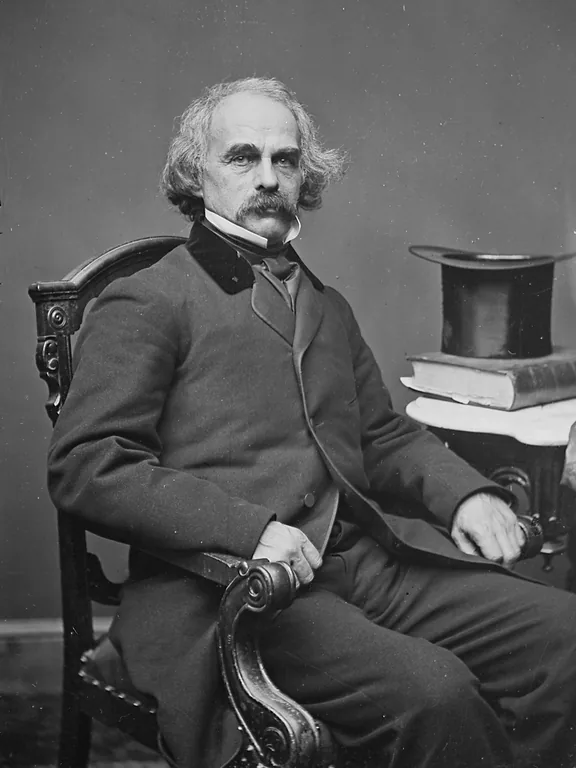
About the Author
More Books by This Author
6 picks
 "Browne's Folly" / (From: "The Doliver Romance and Other Pieces: Tales and Sketches")
by Nathaniel Hawthorne
"Browne's Folly" / (From: "The Doliver Romance and Other Pieces: Tales and Sketches")
by Nathaniel Hawthorne
 A Bell's Biography
by Nathaniel Hawthorne
A Bell's Biography
by Nathaniel Hawthorne
 A Book of Autographs
by Nathaniel Hawthorne
A Book of Autographs
by Nathaniel Hawthorne
 A Rill from the Town Pump
by Nathaniel Hawthorne
A Rill from the Town Pump
by Nathaniel Hawthorne
 A Select Party
by Nathaniel Hawthorne
A Select Party
by Nathaniel Hawthorne
 A Virtuoso's Collection (From "Mosses from an Old Manse")
by Nathaniel Hawthorne
A Virtuoso's Collection (From "Mosses from an Old Manse")
by Nathaniel Hawthorne
You May Also Like
6 picks
 Betty Gordon in the Land of Oil; Or, The Farm That Was Worth a Fortune
by Alice B. Emerson
Betty Gordon in the Land of Oil; Or, The Farm That Was Worth a Fortune
by Alice B. Emerson
 Bob Hunt in Canada
by George W. Orton
Bob Hunt in Canada
by George W. Orton
 The April Baby's Book of Tunes / with the story of how they came to be written
by Elizabeth Von Arnim
The April Baby's Book of Tunes / with the story of how they came to be written
by Elizabeth Von Arnim
 Biographical Stories / (From: "True Stories of History and Biography")
by Nathaniel Hawthorne
Biographical Stories / (From: "True Stories of History and Biography")
by Nathaniel Hawthorne
 The Adopting of Rosa Marie / (A Sequel to Dandelion Cottage)
by Carroll Watson Rankin
The Adopting of Rosa Marie / (A Sequel to Dandelion Cottage)
by Carroll Watson Rankin
 Rainbow Hill
by Josephine Lawrence
Rainbow Hill
by Josephine Lawrence