

About This Book
The speaker, reflecting on his own divided nature between a practical self and an imaginative alter ego, delivers a rectorial address urging graduates to cultivate courage as the chief virtue. He argues that young people should insist on partnership with their elders in decisions—especially those leading to war—because earlier generations failed to heed warnings and misled youth about the realities of conflict. Mixing personal anecdotes, wry observation, and moral counsel, he warns against assigning base motives or using abusive language toward opponents, encourages honest engagement, and offers practical, compassionate guidance for facing public and private challenges.
About the Author
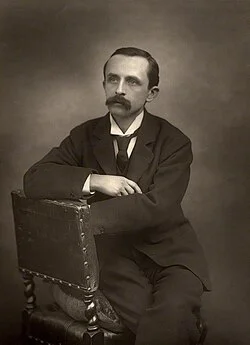
More Books by This Author
6 picks






You May Also Like
6 picks
 Art principles in literature
by Francis P. Donnelly
Art principles in literature
by Francis P. Donnelly
 L'anarchie
by Elisée Reclus
L'anarchie
by Elisée Reclus
 Micromégas
by Voltaire
Micromégas
by Voltaire
 The Elixir of Life
by Honoré de Balzac
The Elixir of Life
by Honoré de Balzac
 The Kama Sutra of Vatsyayana / Translated From the Sanscrit in Seven Parts With Preface, Introduction and Concluding Remarks
by Vatsyayana
The Kama Sutra of Vatsyayana / Translated From the Sanscrit in Seven Parts With Preface, Introduction and Concluding Remarks
by Vatsyayana
 When a Man Comes to Himself
by Woodrow Wilson
When a Man Comes to Himself
by Woodrow Wilson