

About This Book
The narrative records military operations and administrative measures during Roman campaigns in Gaul and the first crossing to Britain. It details logistics and shipbuilding orders, troop dispositions, marches into Treveran territory, and interactions with local leaders, including negotiations, hostages, and punishment of dissenters. Tribal rivalries and conspiracies are described alongside Roman efforts to secure allies and suppress resistance. Engineering, supply arrangements, and rapid deployments enable amphibious operations, culminating in a nocturnal sea crossing and the discovery of the British shore.
About the Author

More Books by This Author
3 picks



You May Also Like
6 picks
 穆天子传
by Pu Guo
穆天子传
by Pu Guo
 The Yankee mining squadron
by Reginald Rowan Belknap
The Yankee mining squadron
by Reginald Rowan Belknap
 My Escape from Germany
by Eric A. Keith
My Escape from Germany
by Eric A. Keith
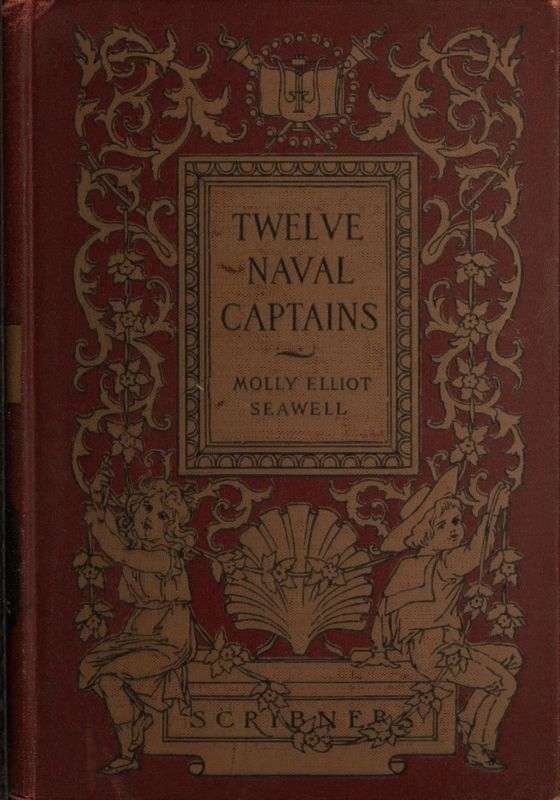 Twelve Naval Captains / Being a Record of Certain Americans Who Made Themselves Immortal
by Molly Elliot Seawell
Twelve Naval Captains / Being a Record of Certain Americans Who Made Themselves Immortal
by Molly Elliot Seawell
 Best o' luck: How a fighting Kentuckian won the thanks of Britain's King
by Alexander McClintock
Best o' luck: How a fighting Kentuckian won the thanks of Britain's King
by Alexander McClintock
 The City of the Sacred Well
by T. A. Willard
The City of the Sacred Well
by T. A. Willard