

About This Book
The author provides a firsthand account of military campaigns across Gaul and adjacent regions, recounting tribal divisions, mobilizations, engagements, sieges, and diplomatic exchanges. The narrative blends chronological campaign reports with detailed tactical and logistical observations—reconnaissance, troop movements, fortifications, supply and wintering arrangements—and records numbers, alliances, and motivations of groups such as the Helvetii and Belgae and incursions by Germanic peoples. The tone is documentary and justificatory, explaining strategic choices, recruitment and provisioning measures, and the narrator's dealings with local polities while tracing the unfolding of conquest and subsequent administration.
About the Author
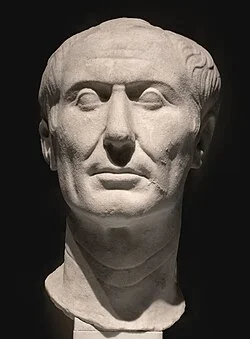
More Books by This Author
3 picks



You May Also Like
6 picks
 Storm Warriors; or, Life-Boat Work on the Goodwin Sands
by John Gilmore
Storm Warriors; or, Life-Boat Work on the Goodwin Sands
by John Gilmore
 The Story of Greece: Told to Boys and Girls
by Mary Macgregor
The Story of Greece: Told to Boys and Girls
by Mary Macgregor
 English Coast Defences / From Roman Times to the Early Years of the Nineteenth Century
by George Clinch
English Coast Defences / From Roman Times to the Early Years of the Nineteenth Century
by George Clinch
 The Point Of Honor: A Military Tale
by Joseph Conrad
The Point Of Honor: A Military Tale
by Joseph Conrad
 Conscript 2989: Experiences of a Drafted Man
by Irving Crump
Conscript 2989: Experiences of a Drafted Man
by Irving Crump
 Discoveries in Egypt, Ethiopia and the peninsula of Sinai, in the years 1842-1845, during the mission sent out by his majesty, Frederick William IV of Prussia.
by Richard Lepsius
Discoveries in Egypt, Ethiopia and the peninsula of Sinai, in the years 1842-1845, during the mission sent out by his majesty, Frederick William IV of Prussia.
by Richard Lepsius