

About This Book
The narrator takes a solitary, rain‑soaked evening walk, contrasting the cozy warmth and imagined travels of an armchair with the damp, lamp‑lit streets outside. Passing through puddled sidewalks and gaudy shop windows, he sketches brief vignettes of fellow pedestrians, odd mishaps, and domestic contrasts, while reflecting on imagination's power to conjure distant scenes and on the deceptive glow of public display. The piece alternates descriptive observation with gentle moral and philosophical asides, moving from specific street details to broader meditations on loneliness, resilience, and the human tendency to mask uncertainty.
About the Author
More Books by This Author
6 picks
 "Browne's Folly" / (From: "The Doliver Romance and Other Pieces: Tales and Sketches")
by Nathaniel Hawthorne
"Browne's Folly" / (From: "The Doliver Romance and Other Pieces: Tales and Sketches")
by Nathaniel Hawthorne
 A Bell's Biography
by Nathaniel Hawthorne
A Bell's Biography
by Nathaniel Hawthorne
 A Book of Autographs
by Nathaniel Hawthorne
A Book of Autographs
by Nathaniel Hawthorne
 A Rill from the Town Pump
by Nathaniel Hawthorne
A Rill from the Town Pump
by Nathaniel Hawthorne
 A Select Party
by Nathaniel Hawthorne
A Select Party
by Nathaniel Hawthorne
 A Virtuoso's Collection (From "Mosses from an Old Manse")
by Nathaniel Hawthorne
A Virtuoso's Collection (From "Mosses from an Old Manse")
by Nathaniel Hawthorne
You May Also Like
6 picks
 A Modern Chronicle — Complete
by Winston Churchill
A Modern Chronicle — Complete
by Winston Churchill
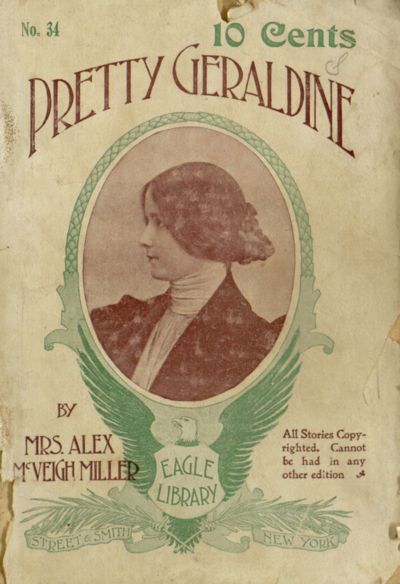 Pretty Geraldine, the New York Salesgirl; or, Wedded to Her Choice
by Mrs. Alex. McVeigh Miller
Pretty Geraldine, the New York Salesgirl; or, Wedded to Her Choice
by Mrs. Alex. McVeigh Miller
 Back Home
by Eugene Wood
Back Home
by Eugene Wood
 The Prairie Wife
by Arthur Stringer
The Prairie Wife
by Arthur Stringer
 The law of copyright
by William Wordsworth
The law of copyright
by William Wordsworth
 Po-No-Kah: An Indian Tale of Long Ago
by Mary Mapes Dodge
Po-No-Kah: An Indian Tale of Long Ago
by Mary Mapes Dodge