
About This Book
The author develops an empiricist account of human cognition, distinguishing impressions from ideas and tracing how associations form belief. He examines skepticism about causal inference and offers a sceptical solution: habit or custom, not demonstrative reasoning, grounds inductive reasoning and probability. He analyses necessary connexion, debates liberty and necessity, and considers animal reasoning. Later chapters critique testimony for miracles, question particular providence and an afterlife, and defend an Academic scepticism that limits philosophical claims to the sphere of common life. The work blends analytic argument, examples, and psychological observation to probe the limits and foundations of human knowledge.
About the Author
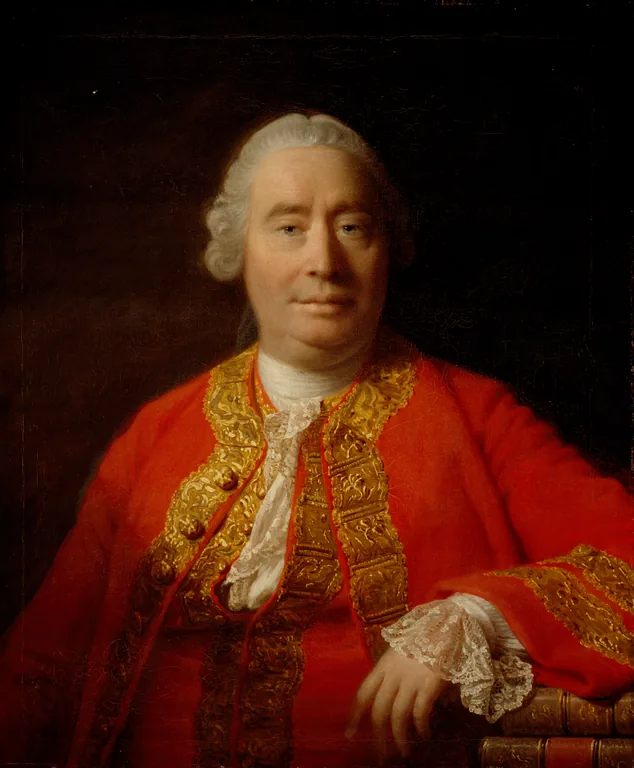
More Books by This Author
6 picks
 A History of England from Early Times: A Linked Index to the Project Gutenberg Editions
by David Hume
A History of England from Early Times: A Linked Index to the Project Gutenberg Editions
by David Hume
 A Treatise of Human Nature
by David Hume
A Treatise of Human Nature
by David Hume
 An Enquiry Concerning the Principles of Morals
by David Hume
An Enquiry Concerning the Principles of Morals
by David Hume
 Essays
by David Hume
Essays
by David Hume
 Hume's Political Discourses
by David Hume
Hume's Political Discourses
by David Hume
 Philosophical Works, v. 2 (of 4) / Including All the Essays, and Exhibiting the More Important Alterations and Corrections in the Successive Editions Published by the Author
by David Hume
Philosophical Works, v. 2 (of 4) / Including All the Essays, and Exhibiting the More Important Alterations and Corrections in the Successive Editions Published by the Author
by David Hume
You May Also Like
6 picks
 The Rights of War and Peace
by Hugo Grotius
The Rights of War and Peace
by Hugo Grotius
 Edinburgh Papers. Edinburgh Merchants and Merchandise in Old Times
by Robert Chambers
Edinburgh Papers. Edinburgh Merchants and Merchandise in Old Times
by Robert Chambers
 大學 章句
by Xi Zhu
大學 章句
by Xi Zhu
 The printers, stationers and bookbinders of Westminster and London from 1476 to 1535
by E. Gordon Duff
The printers, stationers and bookbinders of Westminster and London from 1476 to 1535
by E. Gordon Duff
 On the apostolical succession / Parochial lectures, second series
by William J. Irons
On the apostolical succession / Parochial lectures, second series
by William J. Irons
 La libertà
by John Stuart Mill
La libertà
by John Stuart Mill