
About This Book
The bulletin reports systematic chemical analyses of commercially produced American beers and ales, comparing products made from all-malt worts and those containing adjuncts such as rice, corn, or cerealine. Inspectors collected brewery samples through production, measured extract, fermentable sugars, alcohol yield, acids, protein, ash, and phosphoric acid, and calculated fermentation losses. Results show similar alcohol yield per unit of fermentable solids across top- and bottom-fermented beers (average factor about 2.13), larger residual non-sugar solids in ales and porters than in lagers, slight increases of fixed acids during fermentation, and measurable decreases in protein, ash, and phosphorus; the study evaluates how raw materials influence the finished composition and suggests analytical criteria for detecting adjunct use.
About the Author

You May Also Like
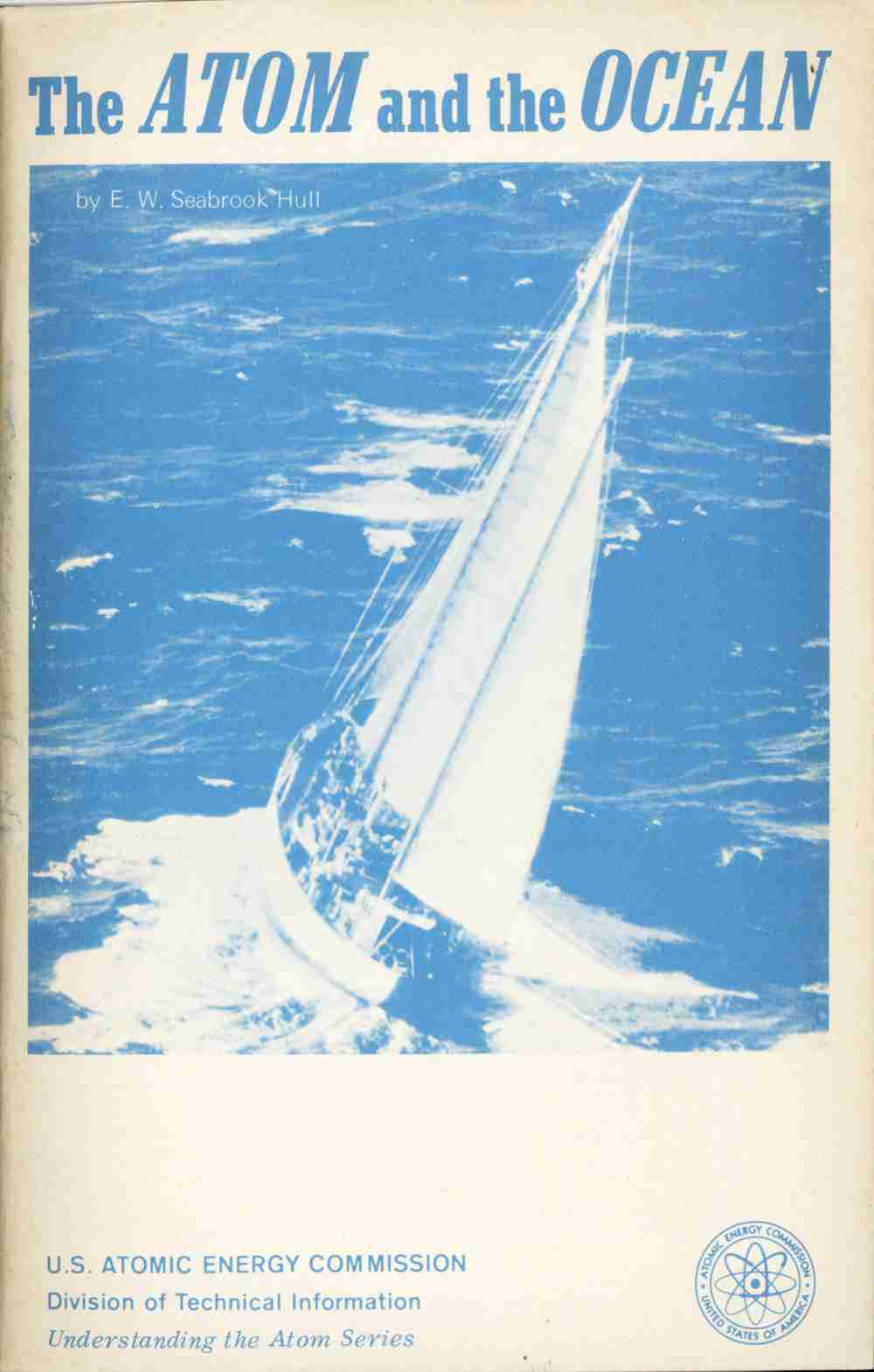 The Atom and the Ocean
by E. W. Seabrook Hull
The Atom and the Ocean
by E. W. Seabrook Hull
 The Cause of it All
by graf Leo Tolstoy
The Cause of it All
by graf Leo Tolstoy
 The Microscope. Its History, Construction, and Application 15th ed. / Being a familiar introduction to the use of the instrument, and the study of microscopical science
by Jabez Hogg
The Microscope. Its History, Construction, and Application 15th ed. / Being a familiar introduction to the use of the instrument, and the study of microscopical science
by Jabez Hogg
 Reflections on the Decline of Science in England, and on Some of Its Causes
by Charles Babbage
Reflections on the Decline of Science in England, and on Some of Its Causes
by Charles Babbage
 The wonders of radium
by Maynard Shipley
The wonders of radium
by Maynard Shipley
 A new system of chemical philosophy, Volume 2, Part 1
by John Dalton
A new system of chemical philosophy, Volume 2, Part 1
by John Dalton