

About This Book
The book surveys operatic treatments of Biblical and related sacred subjects, tracing censorship and adaptation, the transplantation of biblical stories into opera and oratorio, and composers' strategies for dramatizing scripture. It examines individual works and composers—Rubinstein's religious operas and ambitions, Saint-Saëns's Samson et Dalila, Goldmark's Queen of Sheba, and others—considering libretti, staging, musical reworking, and the blending of sacred and theatrical conventions. Chapters compare biblical narratives used on stage, discuss oratorio versus opera practices, and analyze how composers recast ancient material through mythic, historic, or local-color lenses, with attention to production, reception, and the challenges of presenting sacred themes in lyric drama.
About the Author
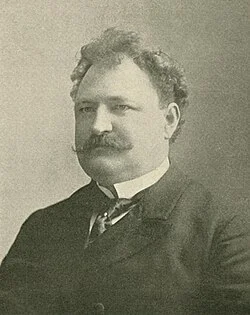
More Books by This Author
 A Book of Operas: Their Histories, Their Plots, and Their Music
by Henry Edward Krehbiel
A Book of Operas: Their Histories, Their Plots, and Their Music
by Henry Edward Krehbiel
 Chapters of Opera / Being historical and critical observations and records concerning the lyric drama in New York from its earliest days down to the present time
by Henry Edward Krehbiel
Chapters of Opera / Being historical and critical observations and records concerning the lyric drama in New York from its earliest days down to the present time
by Henry Edward Krehbiel
 How to Listen to Music, 7th ed. / Hints and Suggestions to Untaught Lovers of the Art
by Henry Edward Krehbiel
How to Listen to Music, 7th ed. / Hints and Suggestions to Untaught Lovers of the Art
by Henry Edward Krehbiel
 Studies in the Wagnerian Drama
by Henry Edward Krehbiel
Studies in the Wagnerian Drama
by Henry Edward Krehbiel
 The Mentor: Makers of Modern Opera, Vol. 1, Num. 47, Serial No. 47
by Henry Edward Krehbiel
The Mentor: Makers of Modern Opera, Vol. 1, Num. 47, Serial No. 47
by Henry Edward Krehbiel
You May Also Like
 The Expositor's Bible: The Epistles of St. Paul to the Colossians and Philemon
by Alexander Maclaren
The Expositor's Bible: The Epistles of St. Paul to the Colossians and Philemon
by Alexander Maclaren
 The Letters of Wolfgang Amadeus Mozart — Volume 01
by Wolfgang Amadeus Mozart
The Letters of Wolfgang Amadeus Mozart — Volume 01
by Wolfgang Amadeus Mozart
 The quest of the historical Jesus
by Albert Schweitzer
The quest of the historical Jesus
by Albert Schweitzer
 The Jesus Problem: A Restatement of the Myth Theory
by J. M. Robertson
The Jesus Problem: A Restatement of the Myth Theory
by J. M. Robertson
 A püspök lelke
by H. G. Wells
A püspök lelke
by H. G. Wells
 The Mormons and the Theatre; or, The History of Theatricals in Utah
by John S. Lindsay
The Mormons and the Theatre; or, The History of Theatricals in Utah
by John S. Lindsay