
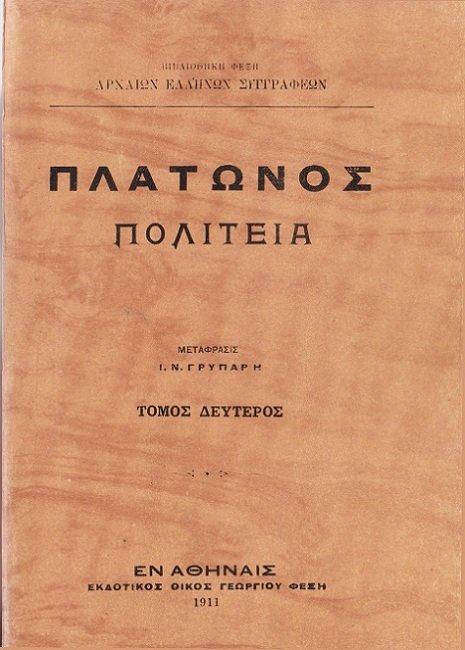
About This Book
A philosophical conversation argues that the education and poetry given to future guardians must be regulated to cultivate desirable virtues: portrayals of gods and the afterlife that provoke fear, pity, or excessive mourning should be removed, terrifying names and grotesque images excised, and depictions that make the divine appear ridiculous forbidden. Such censorship aims to prevent softness and cowardice, encouraging courage, self-sufficiency, and readiness to face death rather than endure slavery. The passage further contends that rulers may uniquely deploy falsehoods as pragmatic tools for the community's benefit, while truth remains the general rule for others.
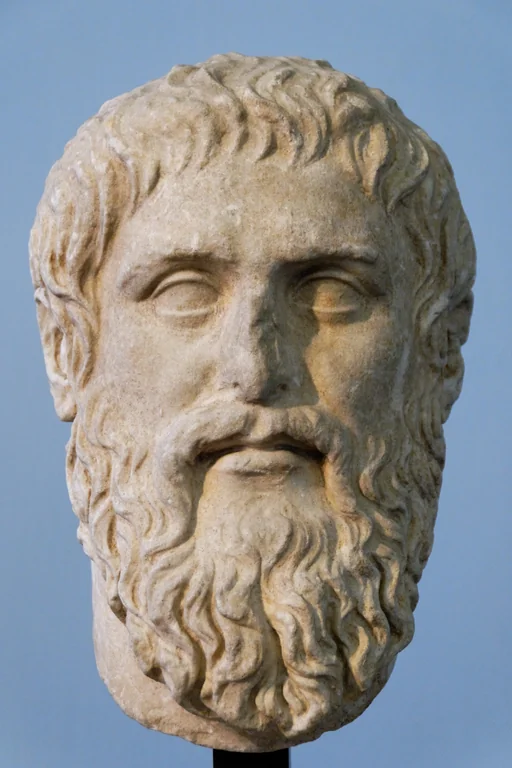
About the Author
More Books by This Author
6 picks





You May Also Like
6 picks
 Mystic Immanence, the Indwelling Spirit
by Basil Wilberforce
Mystic Immanence, the Indwelling Spirit
by Basil Wilberforce
 Cato Maior de Senectute with Introduction and Notes
by Marcus Tullius Cicero
Cato Maior de Senectute with Introduction and Notes
by Marcus Tullius Cicero
 Collection complète des oeuvres de l'Abbé de Mably, Volume 4 (of 15)
by Gabriel Bonnot de Mably
Collection complète des oeuvres de l'Abbé de Mably, Volume 4 (of 15)
by Gabriel Bonnot de Mably
 Sosialistisen filosofian juuret
by Friedrich Engels
Sosialistisen filosofian juuret
by Friedrich Engels
 The Real Jesus of the Four Gospels
by John Birdseye Atwater
The Real Jesus of the Four Gospels
by John Birdseye Atwater
 Friendship
by Hugh Black
Friendship
by Hugh Black