Discovery is limited
PDF archives are not searchable, so users cannot find what exists.
Libraries, universities, and public organizations generate valuable knowledge that too often remains inaccessible and underused.
We bring that value back to the web.
With ReaderPub, institutions create web publications that stay visible and useful over time.
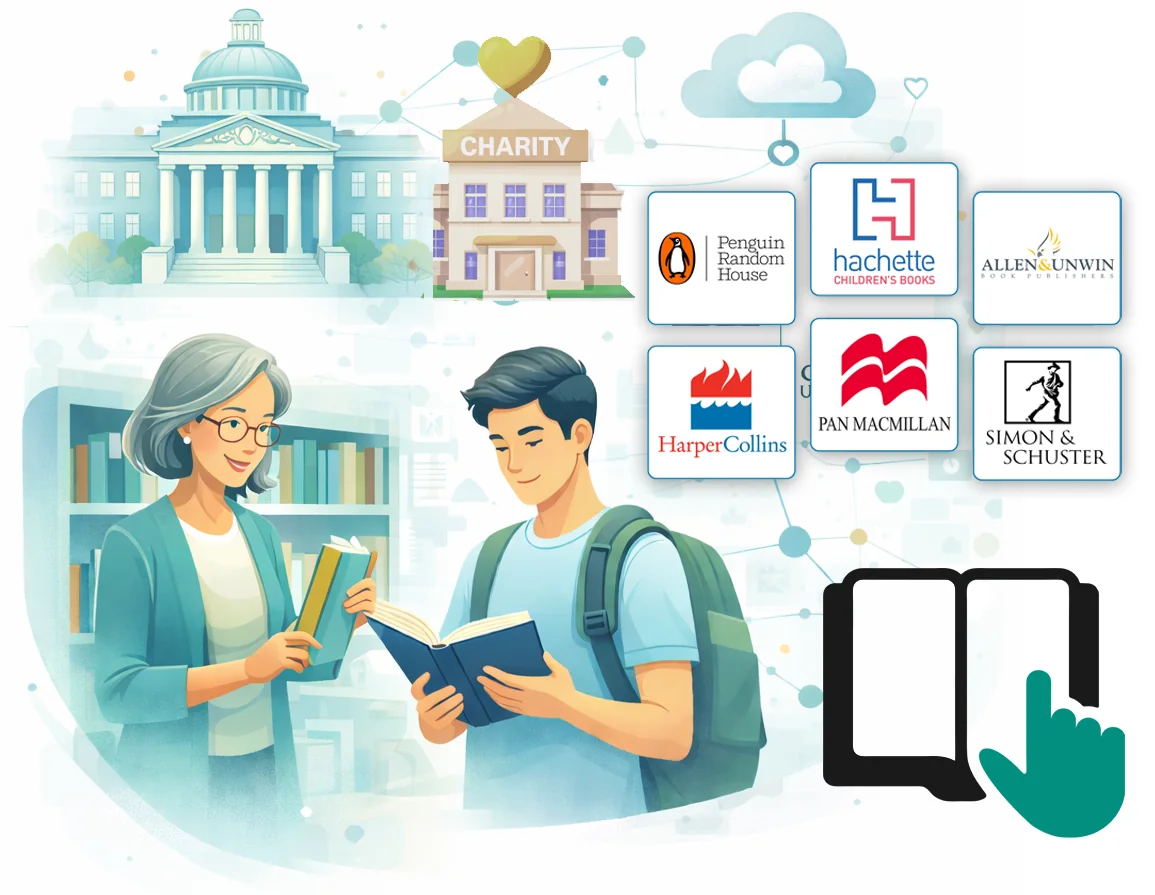
Many organizations successfully publish valuable knowledge but struggle to make it visible, accessible, and actively used.
PDF archives are not searchable, so users cannot find what exists.
PDF files are not designed for easy reading on mobile devices.
Reading happens without community, discussion, or feedback loops.
Knowledge remains locked in archives instead of circulating through the open web.
Important materials fail to reach the audiences they were created to serve.
Collections can be opened directly in the browser.
Books, authors, and collections become easier to find and navigate.
Readers and researchers can engage across works in a controlled-access environment.
Institutional publishing becomes active public infrastructure, not just digital preservation.
Launch catalogs, excerpts, and controlled reading programs on a public platform built for discovery—with secure, account-based access and a delivery model designed to reduce file-leakage risk.
Access is fully configurable: institutions define who can read, which content is restricted, and how access is granted to users and teams.
Alongside web publishing, ReaderPub delivers a production-ready EPUB that you can archive, distribute externally, or publish on other platforms—while keeping primary access securely managed online.
Launch your book portfolio as active web assets, not isolated product files. The books remain fully protected from copying—no DRM required.
Create digital reading rooms that serve patrons, partners, and communities.
Turn community collections into a public online reading library.
Support faculty, labs, and students with a public research library.
Publish research libraries with clear public access and attribution.
Make public documents, research, and policy libraries easy to find and read.
Make policy libraries readable and searchable for the public.
Publish reports, guides, and resources that reach the right communities.
Deliver mission resources through a trusted public reading library.
Publish manuals and technical documentation for easy online access.
Ensure easy access to necessary materials for employees and customers.
Publishers, libraries, and universities can use WeBuzz Community to support book clubs, reading programs, classroom discussions, and collaborative exploration of texts.
ReaderPub gives institutions administrative control over publications, users, and teams—so you can manage access, roles, and distribution policies from a single platform.
In file-based systems, content can circulate beyond the platform after delivery. ReaderPub minimizes that risk by keeping primary reading access on the web instead of routinely distributing a complete downloadable book file.
Traditional DRM tries to control a file after delivery. ReaderPub reduces risk earlier by avoiding routine end-user delivery of the primary reading file.
Organizations can offer Scribe, a specialized AI companion for controlled-access publications, collections, and educational materials.
Scribe helps readers ask focused questions across approved materials while keeping the conversation tied to the institution’s collection, course context, and access rules. Exploration stays inside ReaderPub.
Collections create the greatest value when readers can discover them, access them, and engage with them over time.
Extend the reach of research and educational materials.
Make collections more visible and accessible.
Increase the usefulness of published information.
Keep knowledge connected to readers and communities.
Increase visibility and long-term value of access-controlled collections.
Reach broader audiences and preserve context related to their work.
Access and engage with materials more easily.
Support ongoing discussion across controlled-access materials.
With ReaderPub, institutions create live knowledge publications that remain visible, accessible, and useful over time.