
About This Book
Two lectures examine what history can teach about human nature, political authority, and religion. Rejecting reductive biological explanations of origins, they stress humanity's distinctive inventiveness and capacity for ideals, and trace social development through successive stages that yield settled agriculture, property relations, law, and family institutions. One lecture focuses on the state and the role of ideas and legal order in progress; the other considers religion, arguing that unified belief counters arbitrary worship and helps harmonize moral and social forces. Overall, history is presented as evidence of intellectual and moral advancement shaped by ideals rather than mere antiquarian record.
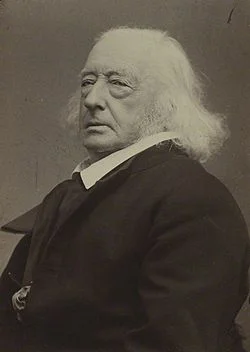
About the Author
More Books by This Author
3 picks
You May Also Like
6 picks
 Am I Still There?
by James R. Hall
Am I Still There?
by James R. Hall
 When I was a boy in China
by Yan Phou Lee
When I was a boy in China
by Yan Phou Lee
 Socrates
by Voltaire
Socrates
by Voltaire
 Note Book of an English Opium-Eater
by Thomas De Quincey
Note Book of an English Opium-Eater
by Thomas De Quincey
 La Palingenesi di Roma
by Guglielmo Ferrero
La Palingenesi di Roma
by Guglielmo Ferrero
 Korea and her neighbors / A narrative of travel, with an account of the recent vicissitudes and present position of the country
by Isabella L. Bird
Korea and her neighbors / A narrative of travel, with an account of the recent vicissitudes and present position of the country
by Isabella L. Bird