
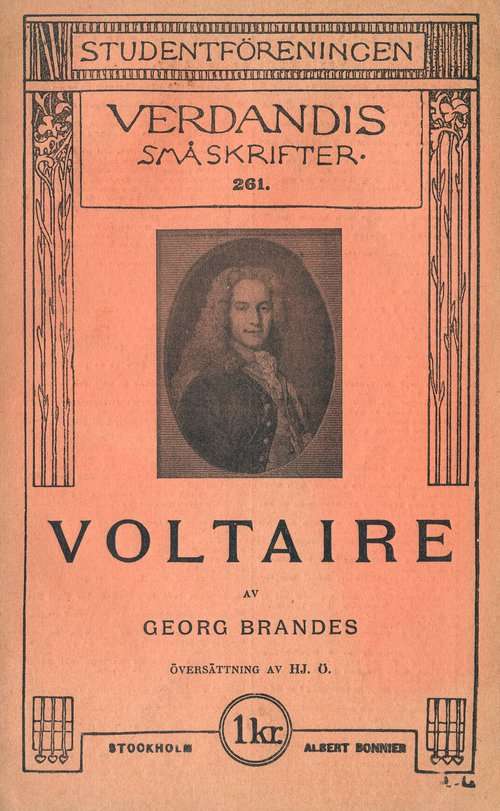
About This Book
The essay presents a critical portrait of a celebrated Enlightenment writer as the emblematic voice of his nation and century, comparing him with Cicero and Aretino and tracing responses from contemporaries and later critics such as Lessing, Byron, Oehlenschläger, and Grundtvig. It examines his legal and social position, anonymous and polemical methods, and wide-ranging output—satire, drama, history, and popular science—described as an orchestral whole. The author assesses the subject's engagement with natural science, poetic gifts, and relation to religious reformers and literary figures like Luther and Faust.
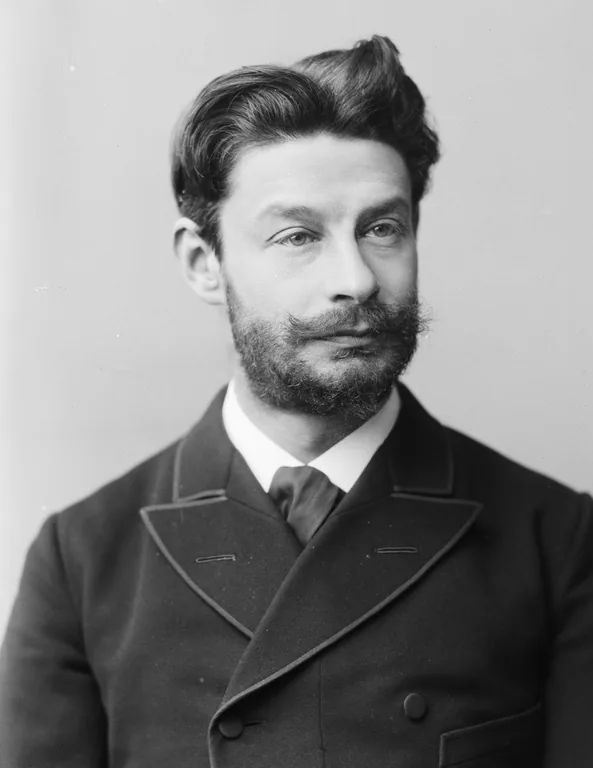
About the Author
More Books by This Author
6 picks
 Anatole France
by Georg Brandes
Anatole France
by Georg Brandes
 Eminent Authors of the Nineteenth Century: Literary Portraits
by Georg Brandes
Eminent Authors of the Nineteenth Century: Literary Portraits
by Georg Brandes
 Friedrich Nietzsche
by Georg Brandes
Friedrich Nietzsche
by Georg Brandes
 Main Currents in Nineteenth Century Literature - 1. The Emigrant Literature
by Georg Brandes
Main Currents in Nineteenth Century Literature - 1. The Emigrant Literature
by Georg Brandes
 Main Currents in Nineteenth Century Literature - 2. The Romantic School in Germany
by Georg Brandes
Main Currents in Nineteenth Century Literature - 2. The Romantic School in Germany
by Georg Brandes
 Main Currents in Nineteenth Century Literature - 3. The Reaction in France
by Georg Brandes
Main Currents in Nineteenth Century Literature - 3. The Reaction in France
by Georg Brandes
You May Also Like
6 picks
 Antonia
by George Sand
Antonia
by George Sand
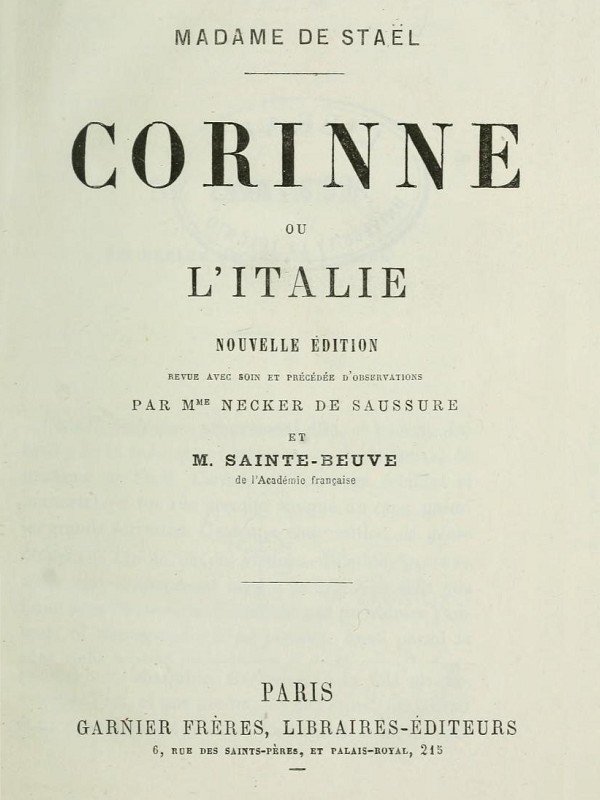 Corinne; ou, l'Italie / Nouvelle édition revue avec soin et précédée d'observations par Mme Necker de Saussure et M. Sainte-Beuve de l'Académie française
by Madame de Staël
Corinne; ou, l'Italie / Nouvelle édition revue avec soin et précédée d'observations par Mme Necker de Saussure et M. Sainte-Beuve de l'Académie française
by Madame de Staël
 Le loup blanc
by Paul Féval
Le loup blanc
by Paul Féval
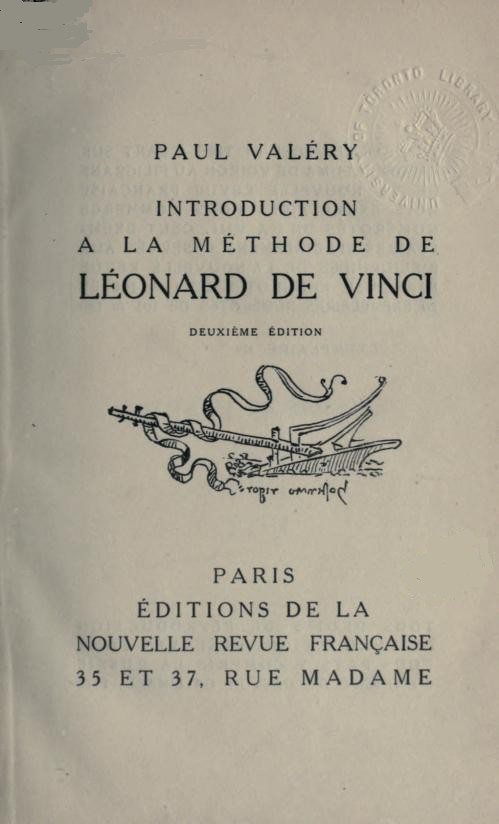 Introduction à la méthode de Léonard de Vinci
by Paul Valéry
Introduction à la méthode de Léonard de Vinci
by Paul Valéry
 Amôres d'um deputado
by Hippolyte Buffenoir
Amôres d'um deputado
by Hippolyte Buffenoir
 Maria Chapdelaine
by Louis Hémon
Maria Chapdelaine
by Louis Hémon