
About This Book
The author contends that Virginia's decision to leave the Union was prompted chiefly by opposition to federal coercion rather than by a widespread desire to extend or protect slavery, and marshals legal and political evidence to support this claim. The narrative surveys the state’s colonial and constitutional record, statutes limiting the slave trade, efforts at colonization and emancipation, expressions of anti-slavery sentiment among prominent citizens, the small share of slaveholders and soldiers, the economic and social effects of slavery, market practices in buying and selling, and the practical obstacles to abolition, concluding that coercive federal policy was the proximate cause of secession.
About the Author
You May Also Like
6 picks
 Peace Theories and the Balkan War
by Norman Angell
Peace Theories and the Balkan War
by Norman Angell
 Lives of the Presidents Told in Words of One Syllable
by Jean S. Remy
Lives of the Presidents Told in Words of One Syllable
by Jean S. Remy
 The True Travels, Adventures, and Observations of Captain John Smith into Europe, Asia, Africa, and America / From Ann. Dom. 1593 to 1629
by John Smith
The True Travels, Adventures, and Observations of Captain John Smith into Europe, Asia, Africa, and America / From Ann. Dom. 1593 to 1629
by John Smith
 Pan-Islam
by G. Wyman Bury
Pan-Islam
by G. Wyman Bury
 The Laws of War, Affecting Commerce and Shipping
by H. Byerley Thomson
The Laws of War, Affecting Commerce and Shipping
by H. Byerley Thomson
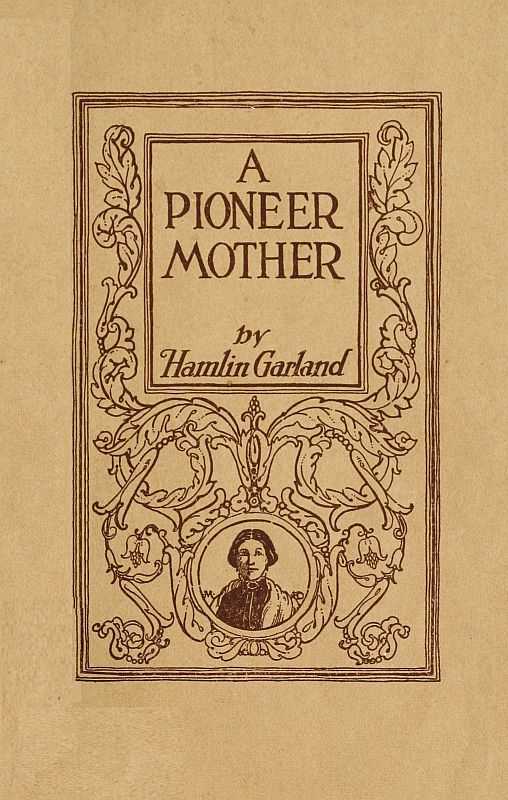 A Pioneer Mother
by Hamlin Garland
A Pioneer Mother
by Hamlin Garland