
About This Book
An analysis of the Balkan conflict evaluates competing peace theories by situating military action within economic, political, and ideological contexts. It argues that the outbreak both confirms and challenges pacifist claims, traces economic motives and the legacy of Turkish governance, critiques the responsibility of external powers and prevailing political assumptions, and contrasts rival ideals about force and national honour. The work surveys how public opinion, armed defence, and intellectual theories interact, criticizes simplistic doctrines, and concludes by urging concerted political organization and a clearer political faith to translate pacifist principles into practicable policy.
About the Author
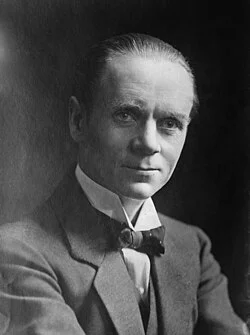
More Books by This Author
2 picks


You May Also Like
6 picks
 A Revolução Portugueza: O 31 de Janeiro (Porto 1891)
by Francisco Jorge de Abreu
A Revolução Portugueza: O 31 de Janeiro (Porto 1891)
by Francisco Jorge de Abreu
 Napoleon and his court
by C. S. Forester
Napoleon and his court
by C. S. Forester
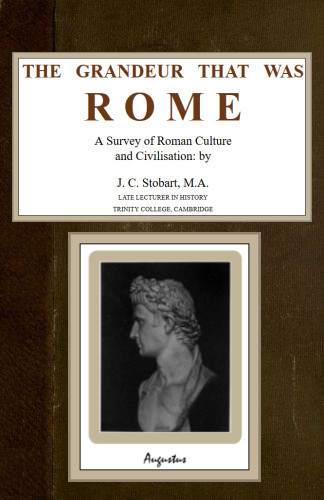 The Grandeur That Was Rome: a survey of Roman culture and civilisation
by J. C. Stobart
The Grandeur That Was Rome: a survey of Roman culture and civilisation
by J. C. Stobart
 Yleiskatsaus äänioikeusasiaan Suomessa
by Santeri Ivalo
Yleiskatsaus äänioikeusasiaan Suomessa
by Santeri Ivalo
 Eighteen months in the war zone
by Kate John Finzi
Eighteen months in the war zone
by Kate John Finzi
 New York
by James Fenimore Cooper
New York
by James Fenimore Cooper