WeRead Powered by ReaderPub
Unc' Edinburg: A Plantation Echo cover

Unc' Edinburg: A Plantation Echo

An elderly driver narrates recollections of life on a Virginia plantation, recounting episodes about his close bond with Marse George, college contests, Christmas preparations, and local rivalries. Told through anecdote and dialect-inflected narration, the piece blends comic incident, personal loyalty, and public scenes—speech-making, votes, and festive gatherings—to create a nostalgic, intimate portrait of community relations and memory. Short, episodic sections alternate lively storytelling with reflective remarks on honor, belonging, and the passage of time, producing a mood at once affectionate and bittersweet.

About This Book

An elderly driver narrates recollections of life on a Virginia plantation, recounting episodes about his close bond with Marse George, college contests, Christmas preparations, and local rivalries. Told through anecdote and dialect-inflected narration, the piece blends comic incident, personal loyalty, and public scenes—speech-making, votes, and festive gatherings—to create a nostalgic, intimate portrait of community relations and memory. Short, episodic sections alternate lively storytelling with reflective remarks on honor, belonging, and the passage of time, producing a mood at once affectionate and bittersweet.

About the Author
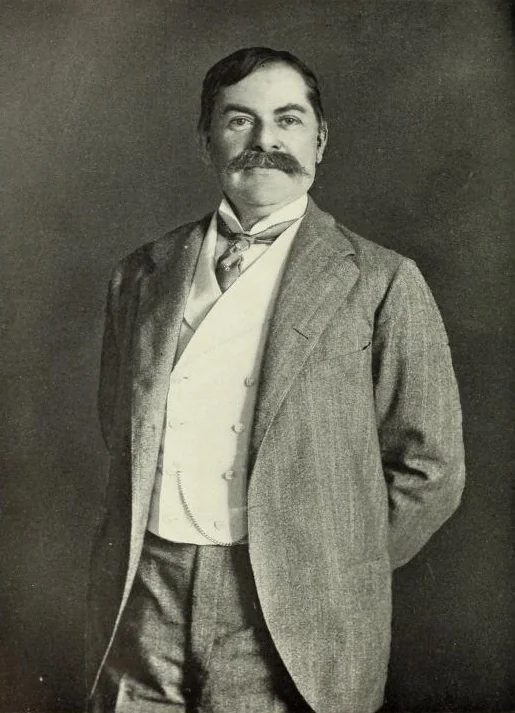
Page, Thomas Nelson portrait

Thomas Nelson Page

Thomas Nelson Page was an American author known for his works that often explore themes of Southern life and culture. His storytelling is characterized by a blend of humor and pathos, reflecting the complexities of the post-Civil War South. Among his notable works is "A Soldier Of The Empire," which showcases his ability to weave historical narratives with engaging characters. Page also wrote short stories and novels such as "Gordon Keith" and "John Marvel, Assistant," contributing significantly to the literary heritage of the American South. His writings provide valuable insights into the social dynamics and regional identity of his time.

More Books by This Author