

About This Book
A set of regional tales about life in the Southern countryside after the war, tracing households and neighbors as they encounter poverty, decaying farms, and the long shadow of military loss. Individual narratives concentrate on domestic struggle and communal judgment, portraying widows, veterans’ families, and once-prosperous households confronting altered fortunes and local gossip. The prose mixes sentimental observation, regional speech, and pastoral description, moving between character sketches and short narratives that explore pride, resignation, loyalty, and the endurance of memory amid a landscape wearied by conflict and time.
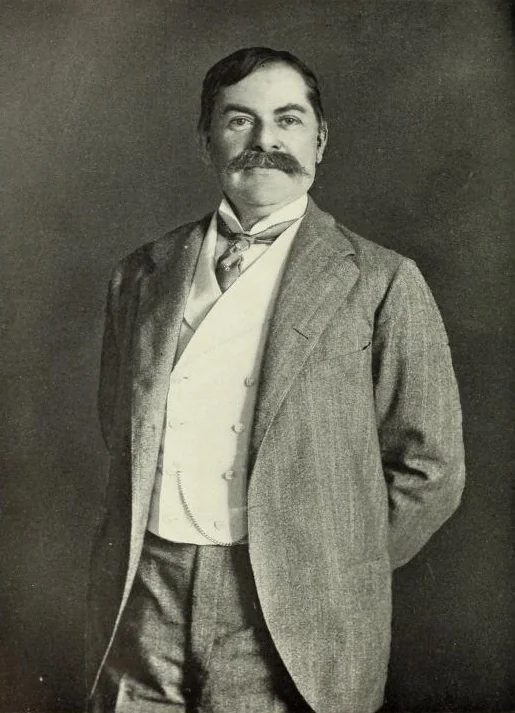
About the Author
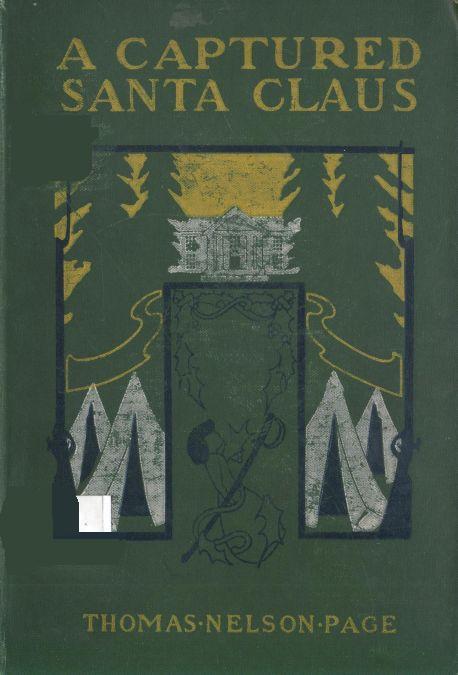
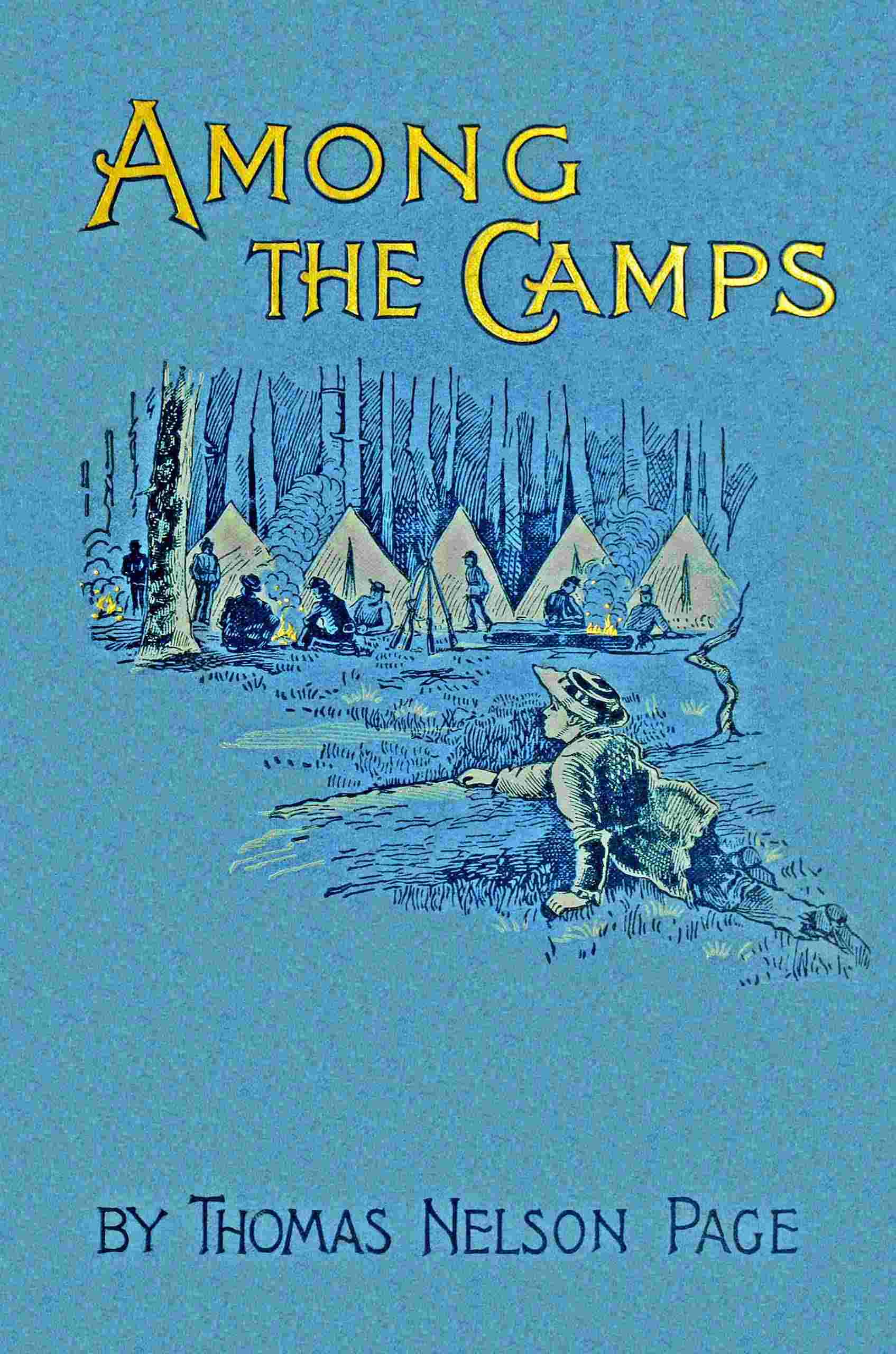
More Books by This Author
6 picks




You May Also Like
6 picks
 One Man's Initiation—1917
by John Dos Passos
One Man's Initiation—1917
by John Dos Passos
 Rowdy of the Cross L
by B. M. Bower
Rowdy of the Cross L
by B. M. Bower
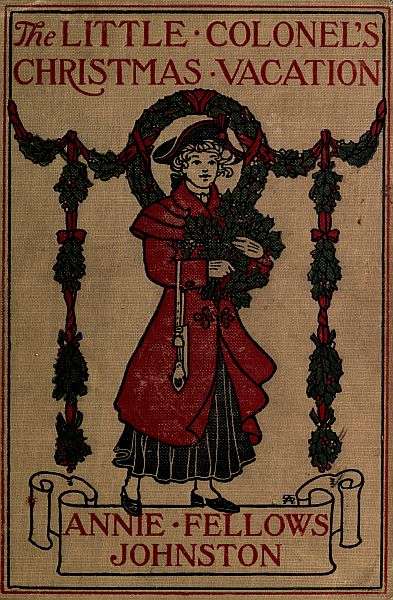 The Little Colonel's Christmas Vacation
by Annie F. Johnston
The Little Colonel's Christmas Vacation
by Annie F. Johnston
 The High Calling
by Charles M. Sheldon
The High Calling
by Charles M. Sheldon
 Ralph on the Overland Express; Or, The Trials and Triumphs of a Young Engineer
by Allen Chapman
Ralph on the Overland Express; Or, The Trials and Triumphs of a Young Engineer
by Allen Chapman
 The Huge Hunter; Or, The Steam Man of the Prairies
by Edward Sylvester Ellis
The Huge Hunter; Or, The Steam Man of the Prairies
by Edward Sylvester Ellis