About This Book
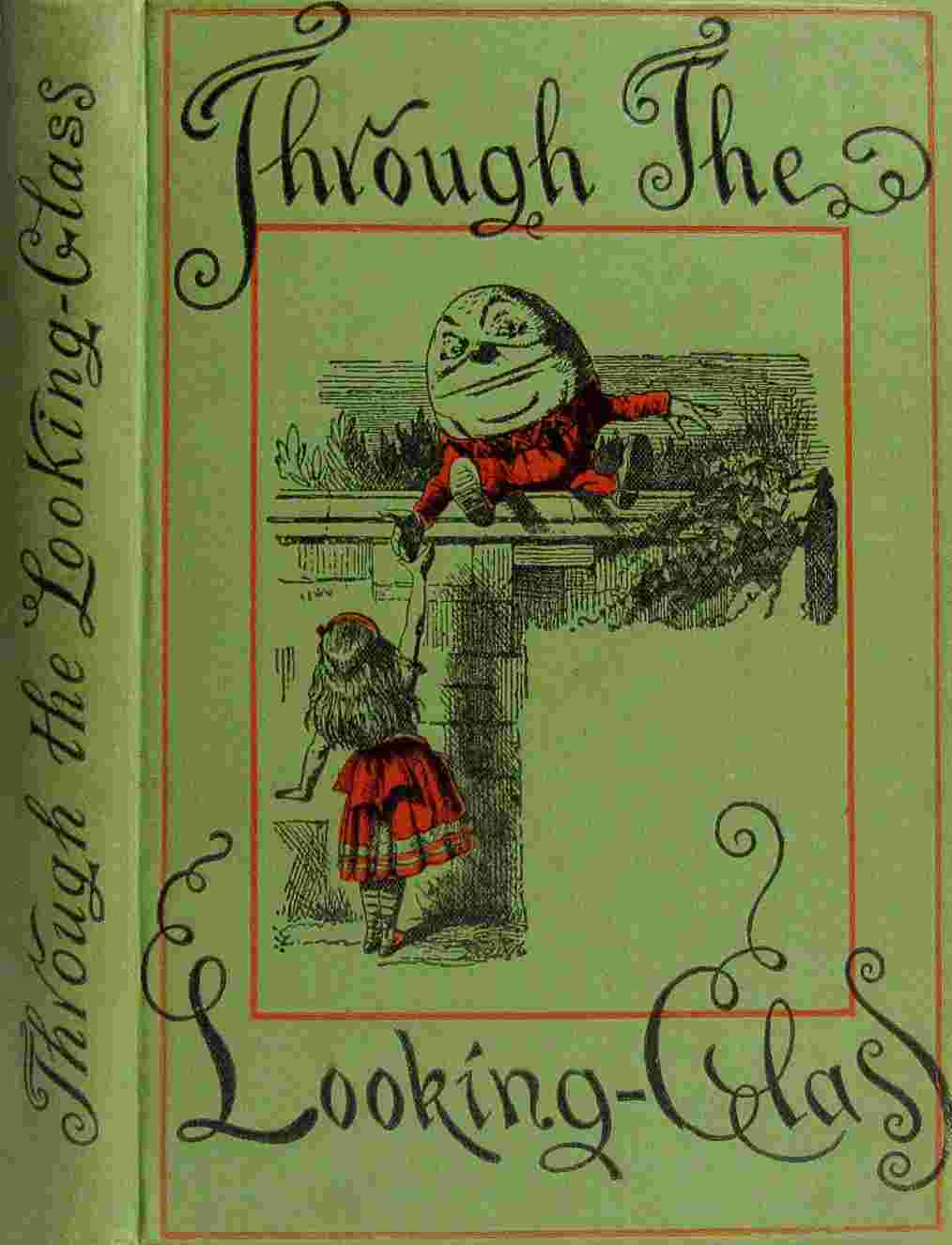
The story follows a curious girl who passes through a mirror into a reversed, fantastical world governed by playful logic and linguistic puzzles. Organized like a chess game, her journey advances square by square as she meets animate flowers, talking creatures, twins who recite nonsense, a pompous egglike figure, and feuding heraldic beasts, each episode testing rules of meaning and identity. Episodes blend riddles, parody, and absurd conversations that unsettle conventional cause and effect, culminating in a mock coronation before she awakens and questions whether the adventure was a dream. Themes include mirror inversion, the elasticity of language, and childhood imagination meeting adult reasoning.
About the Author
More Books by This Author
6 picks
 A Tangled Tale
by Lewis Carroll
A Tangled Tale
by Lewis Carroll
 Alice in Wonderland, Retold in Words of One Syllable
by Lewis Carroll
Alice in Wonderland, Retold in Words of One Syllable
by Lewis Carroll
 Alice's Abenteuer im Wunderland
by Lewis Carroll
Alice's Abenteuer im Wunderland
by Lewis Carroll
 Alice's Adventures in Wonderland
by Lewis Carroll
Alice's Adventures in Wonderland
by Lewis Carroll
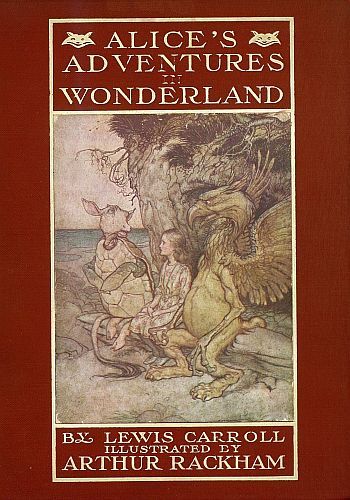 Alice's Adventures in Wonderland / Illustrated by Arthur Rackham. With a Proem by Austin Dobson
by Lewis Carroll
Alice's Adventures in Wonderland / Illustrated by Arthur Rackham. With a Proem by Austin Dobson
by Lewis Carroll
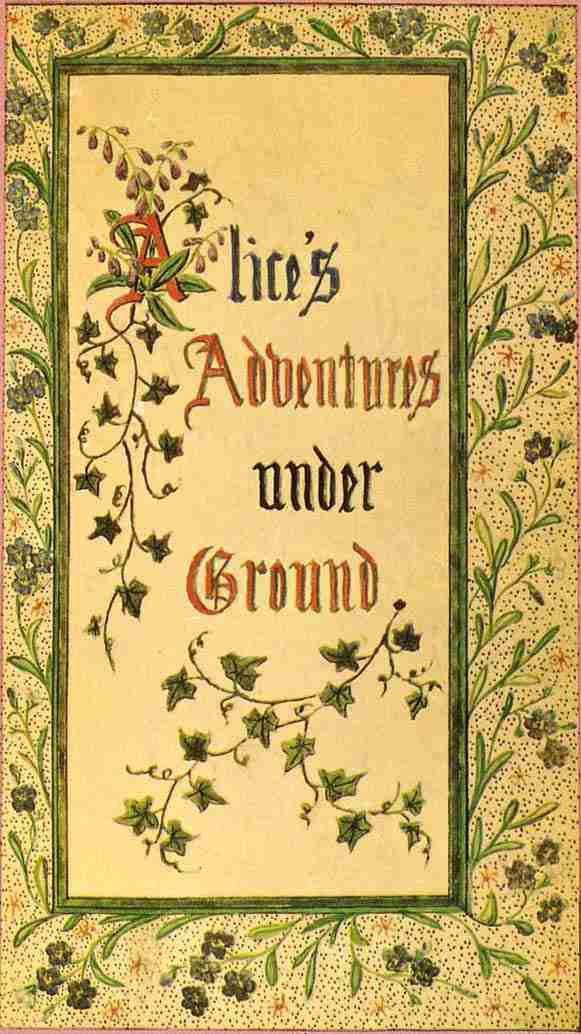 Alice's Adventures Under Ground / Being a facsimile of the original Ms. book afterwards developed into "Alice's Adventures in Wonderland"
by Lewis Carroll
Alice's Adventures Under Ground / Being a facsimile of the original Ms. book afterwards developed into "Alice's Adventures in Wonderland"
by Lewis Carroll
You May Also Like
6 picks