
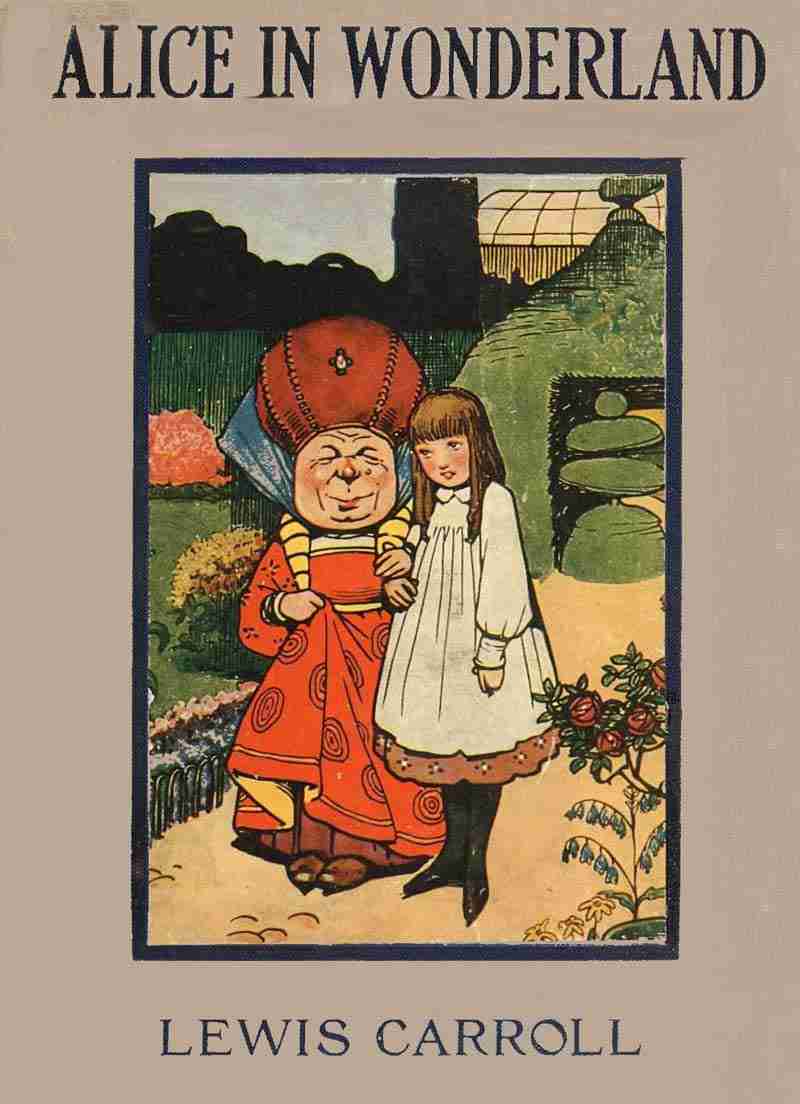
Alice's Adventures in Wonderland
A curious young girl follows a rabbit down a hole and discovers a dreamlike realm where logic, size, and manners continuously shift. She moves through episodic scenes—enchanted doors and bottles, surreal conversations with talking creatures, a bewildering tea party, and encounters with capricious authority—each episode subverting ordinary expectations and language. Playful wordplay and nonsense logic shape her transformations and observations, and the narrative alternates whimsy with satirical glimpses of rules and justice, culminating in a chaotic courtroom sequence that dissolves the strange world back into the ordinary.
About This Book
A curious young girl follows a rabbit down a hole and discovers a dreamlike realm where logic, size, and manners continuously shift. She moves through episodic scenes—enchanted doors and bottles, surreal conversations with talking creatures, a bewildering tea party, and encounters with capricious authority—each episode subverting ordinary expectations and language. Playful wordplay and nonsense logic shape her transformations and observations, and the narrative alternates whimsy with satirical glimpses of rules and justice, culminating in a chaotic courtroom sequence that dissolves the strange world back into the ordinary.
About the Author
More Books by This Author
 A Tangled Tale
by Lewis Carroll
A Tangled Tale
by Lewis Carroll
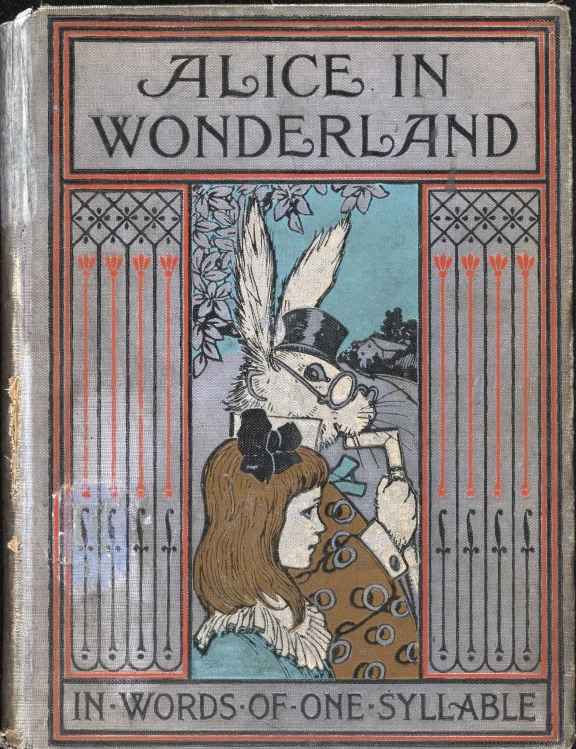 Alice in Wonderland, Retold in Words of One Syllable
by Lewis Carroll
Alice in Wonderland, Retold in Words of One Syllable
by Lewis Carroll
 Alice's Abenteuer im Wunderland
by Lewis Carroll
Alice's Abenteuer im Wunderland
by Lewis Carroll
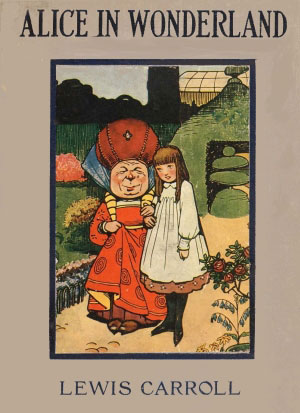 Alice's Adventures in Wonderland
by Lewis Carroll
No cover
Alice's Adventures in Wonderland
by Lewis Carroll
Alice's Adventures in Wonderland
by Lewis Carroll
No cover
Alice's Adventures in Wonderland
by Lewis Carroll
 Alice's Adventures in Wonderland / HTML Edition
by Lewis Carroll
Alice's Adventures in Wonderland / HTML Edition
by Lewis Carroll
You May Also Like
 "1914"
by John Oxenham
"1914"
by John Oxenham
 "All's Well"; or, Alice's Victory
by Emily Sarah Holt
"All's Well"; or, Alice's Victory
by Emily Sarah Holt
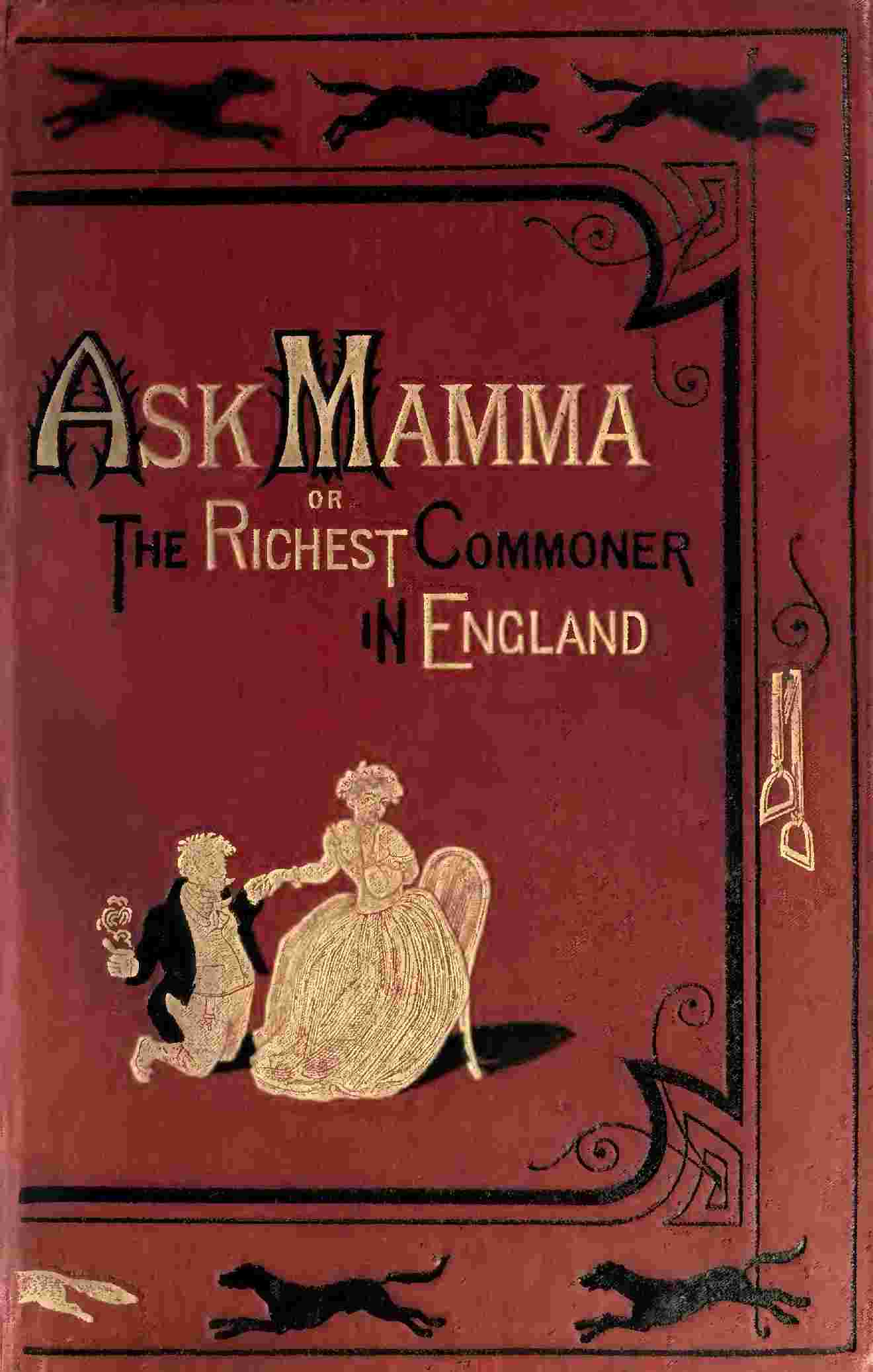 "Ask Mamma"; or, The Richest Commoner In England
by Robert Smith Surtees
"Ask Mamma"; or, The Richest Commoner In England
by Robert Smith Surtees
 "Bones": Being Further Adventures in Mr. Commissioner Sanders' Country
by Edgar Wallace
"Bones": Being Further Adventures in Mr. Commissioner Sanders' Country
by Edgar Wallace
 "Captains Courageous": A Story of the Grand Banks
by Rudyard Kipling
"Captains Courageous": A Story of the Grand Banks
by Rudyard Kipling
 "Captains Courageous": A Story of the Grand Banks
by Rudyard Kipling
"Captains Courageous": A Story of the Grand Banks
by Rudyard Kipling