
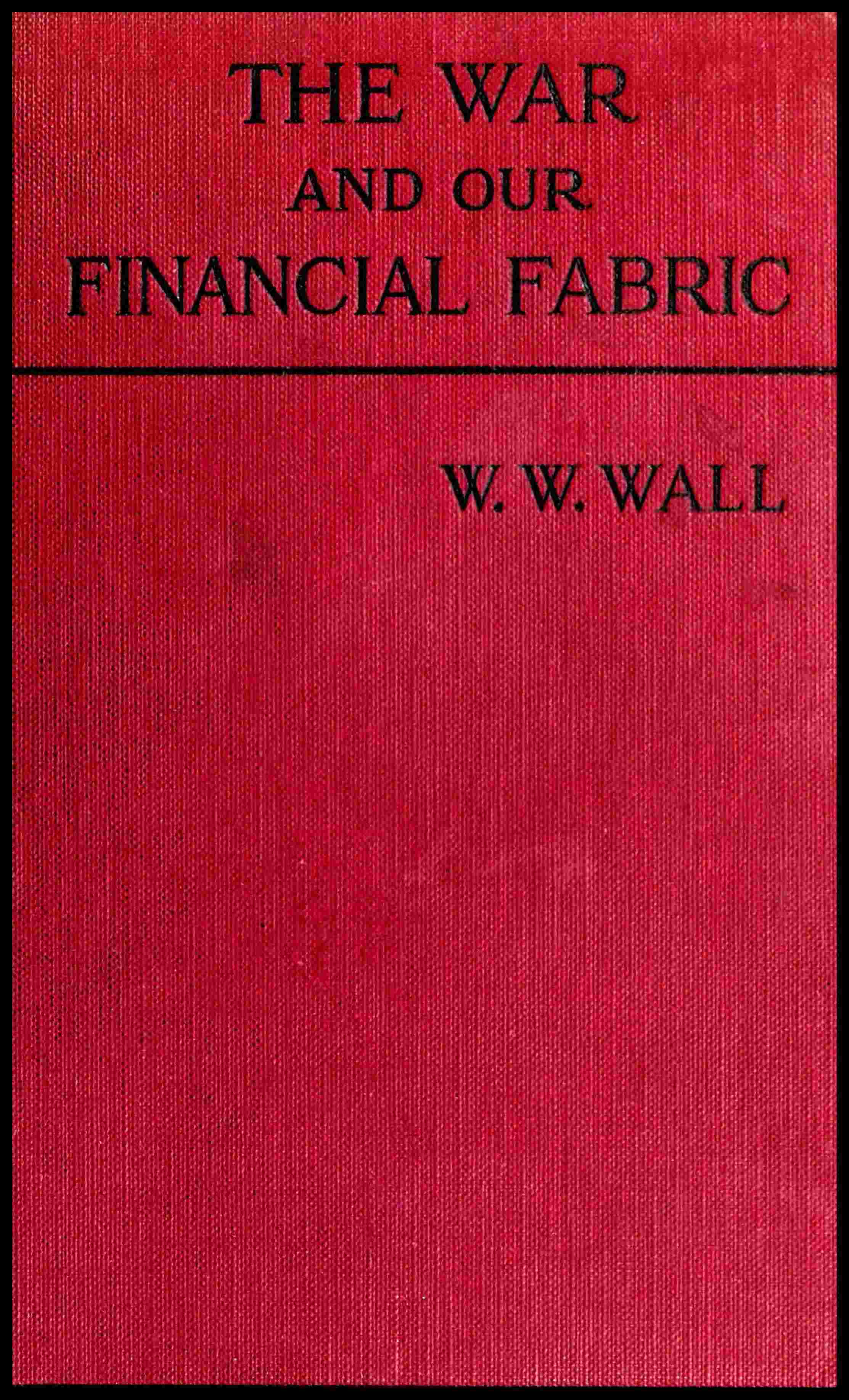
About This Book
The work gathers lessons from a major financial crisis and examines banking, credit, and currency problems revealed by wartime strain. It argues that banks do not create credit but convert existing wealth into liquid capital, enabling circulation and preventing economic stagnation. The author analyses reserve ratios and contends that both private banks and the central bank cannot simultaneously maintain high gold proportions without collectively ceasing to lend, making rigid reserve rules impractical. He recommends an elastic legal-tender mechanism and segregation of deposits into pure deposits and loan-deposits to clarify reserve responsibilities and reduce harmful hoarding, and stresses that panics are psychological rather than mathematical phenomena.
About the Author

You May Also Like
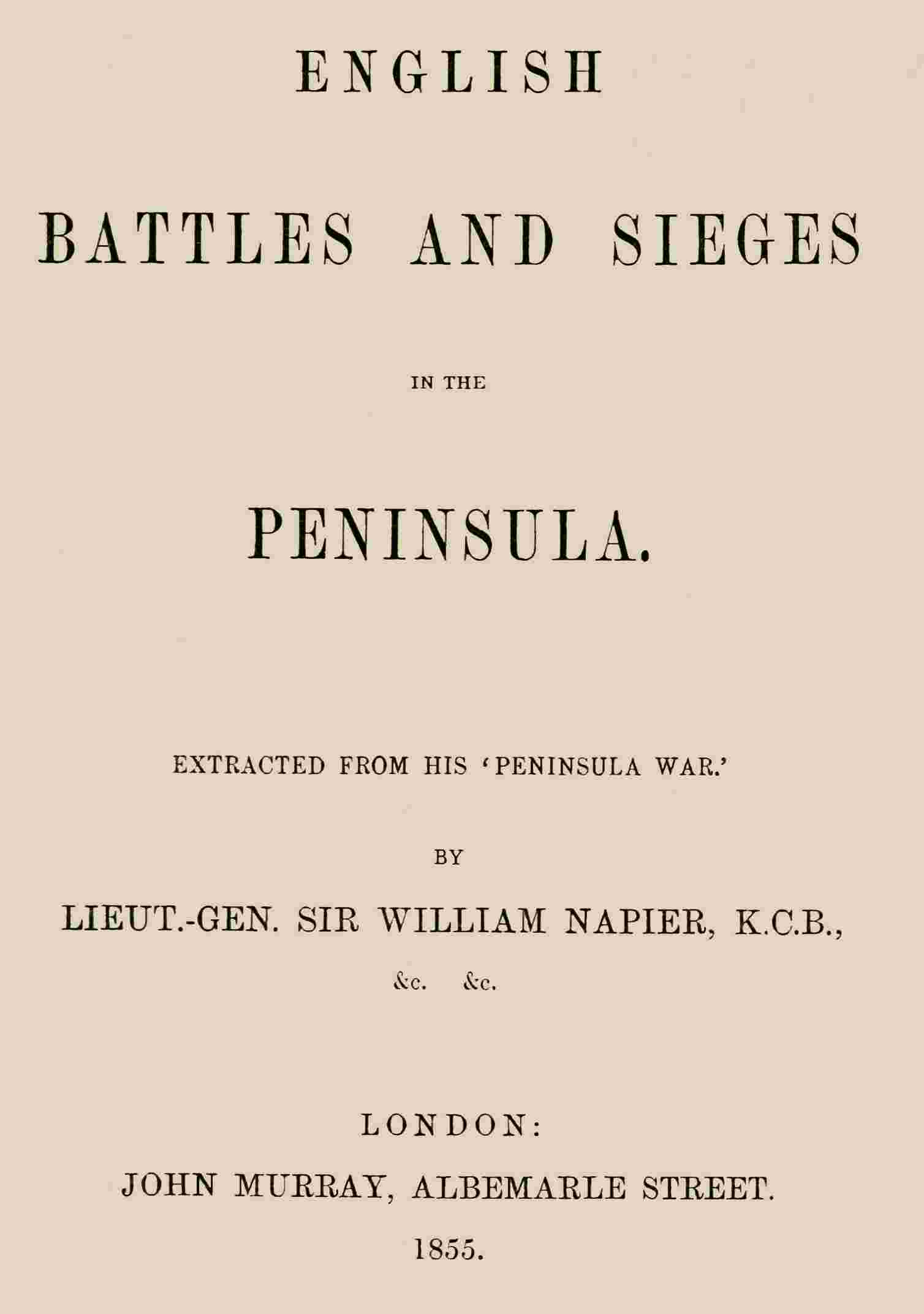 English Battles and Sieges in the Peninsula. / Extracted from his 'Peninsula War'.
by William Francis Patrick Napier
English Battles and Sieges in the Peninsula. / Extracted from his 'Peninsula War'.
by William Francis Patrick Napier
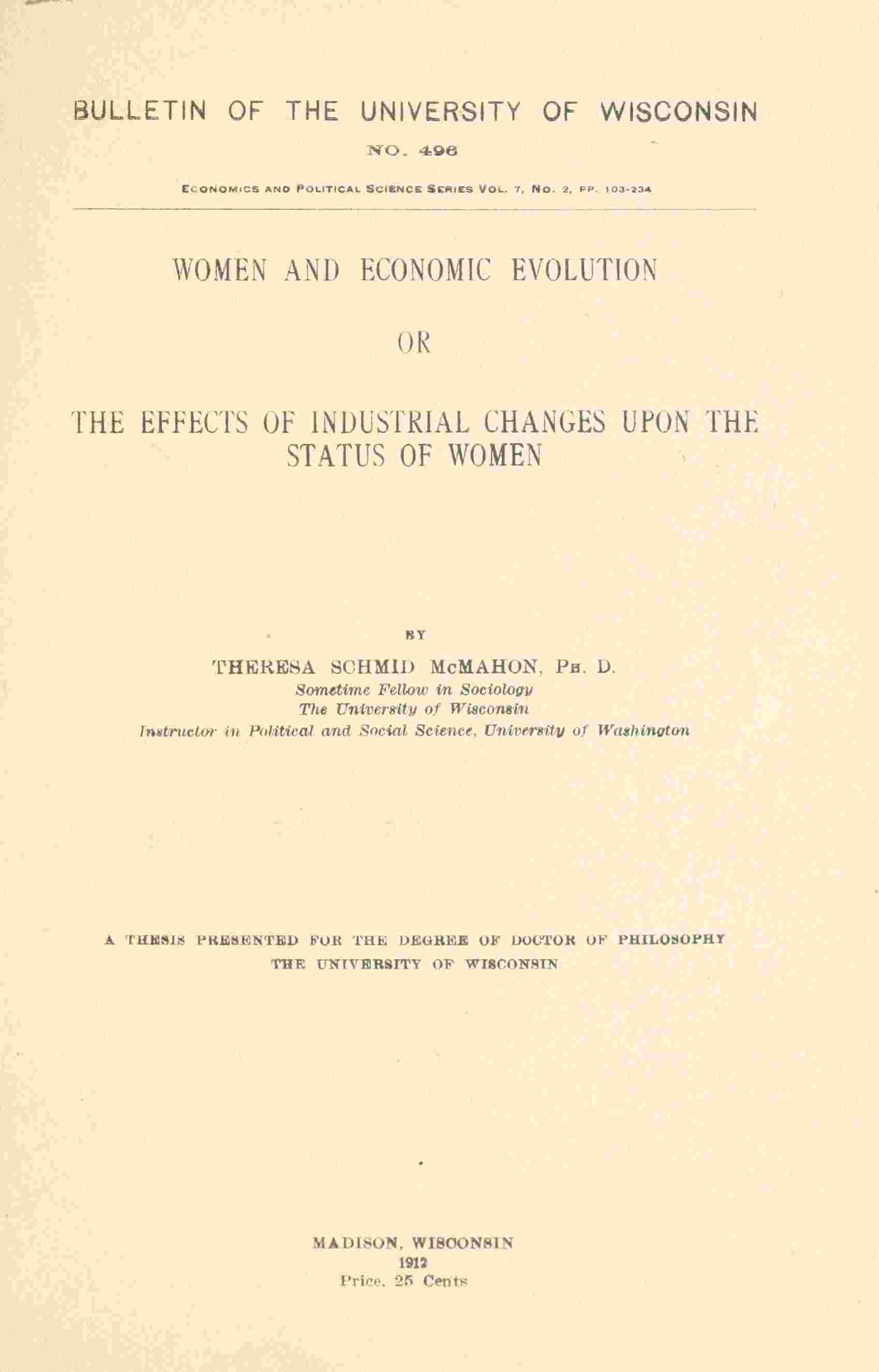 Women and economic evolution: or, The effects of industrial changes upon the status of women
by Theresa Schmid McMahon
Women and economic evolution: or, The effects of industrial changes upon the status of women
by Theresa Schmid McMahon
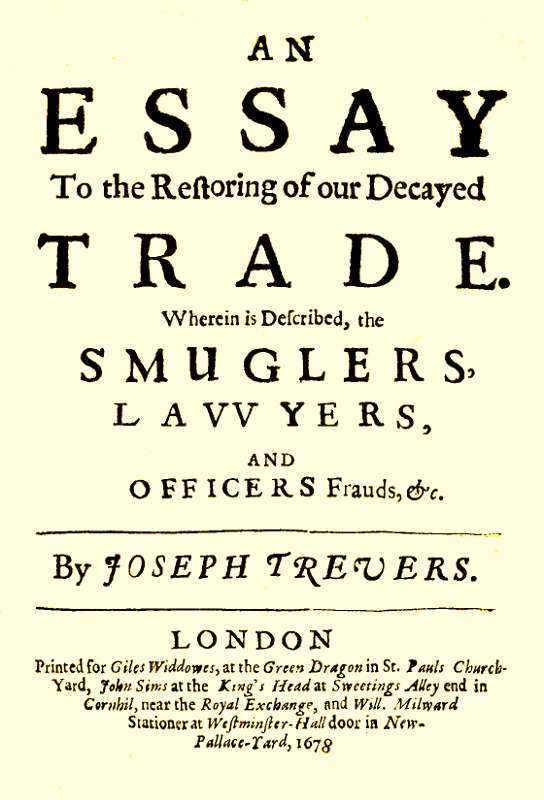 An Essay to the Restoring of our Decayed Trade. / Wherein is Described, the Smuglers, Lawyers, and Officers Frauds &c.
by Joseph Trevers
An Essay to the Restoring of our Decayed Trade. / Wherein is Described, the Smuglers, Lawyers, and Officers Frauds &c.
by Joseph Trevers
 Egerton Ryerson and Education in Upper Canada
by J. Harold Putman
Egerton Ryerson and Education in Upper Canada
by J. Harold Putman
 The Great North Road, the Old Mail Road to Scotland: London to York
by Charles G. Harper
The Great North Road, the Old Mail Road to Scotland: London to York
by Charles G. Harper
 The Forest of Dean: An Historical and Descriptive Account
by H. G. Nicholls
The Forest of Dean: An Historical and Descriptive Account
by H. G. Nicholls