

About This Book
The narrator recounts his friend Stokeman's transformation from hardheaded sceptic to a man who acknowledges having seen apparitions. As State's Attorney during a heated postwar election, Stokeman confronts a restless community stirred by a returned agitator and long-standing personal ties, and an uncanny cart-borne spectre that both alarms the neighborhood and challenges purely natural explanations. The episode interweaves political tension, racial unease, and local loyalties, forcing him to balance forensic suspicion with sympathy for others' experiences and to accept that visions can be as compelling as physical fact.
About the Author
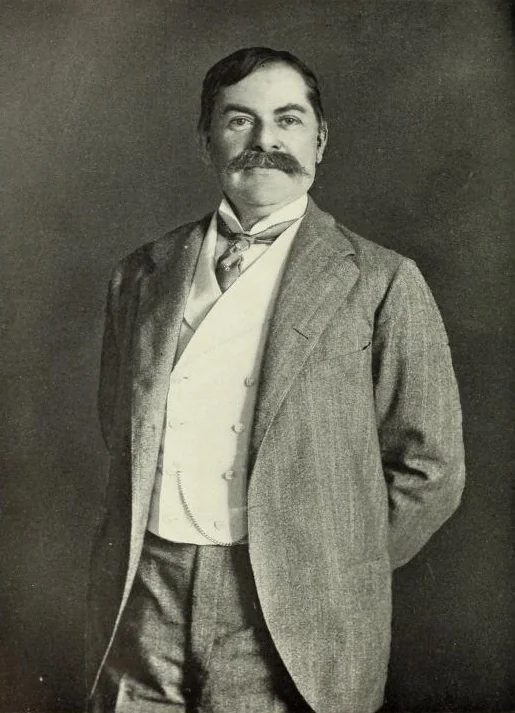
More Books by This Author
6 picks




You May Also Like
6 picks
 Bab: A Sub-Deb
by Mary Roberts Rinehart
Bab: A Sub-Deb
by Mary Roberts Rinehart
 The Itching Palm: A Study of the Habit of Tipping in America
by William R. Scott
The Itching Palm: A Study of the Habit of Tipping in America
by William R. Scott
 Bunker Bean
by Harry Leon Wilson
Bunker Bean
by Harry Leon Wilson
 Understood Betsy
by Dorothy Canfield Fisher
Understood Betsy
by Dorothy Canfield Fisher
 The Air Trust
by George Allan England
The Air Trust
by George Allan England
 Character and Opinion in the United States / With Reminiscences of William James and Josiah Royce and Academic Life in America
by George Santayana
Character and Opinion in the United States / With Reminiscences of William James and Josiah Royce and Academic Life in America
by George Santayana