
About This Book
A scholarly study traces the formation and expression of Shelley’s religious and political radicalism by surveying his early influences, personal relationships, and intellectual debts. It examines evolving views on marriage and love, interactions with thinkers such as Godwin, and literary sources for key poems. Political chapters analyze his critique of institutions, attitudes toward property, punishment, reform through education, and ethical principles like perfectibility and opposition to coercion. A philosophical section outlines his pantheistic and agnostic tendencies, idealism, and beliefs about immortality and free will. The work closes by comparing his radicalism with contemporaneous poets and assessing its strengths and weaknesses.
About the Author

You May Also Like
6 picks
 A Gloucestershire Lad at Home and Abroad
by F. W. Harvey
A Gloucestershire Lad at Home and Abroad
by F. W. Harvey
 The Hand in the Dark
by Arthur J. Rees
The Hand in the Dark
by Arthur J. Rees
 Bred in the Bone; Or, Like Father, Like Son: A Novel
by James Payn
Bred in the Bone; Or, Like Father, Like Son: A Novel
by James Payn
 Carry On!
by Virna Sheard
Carry On!
by Virna Sheard
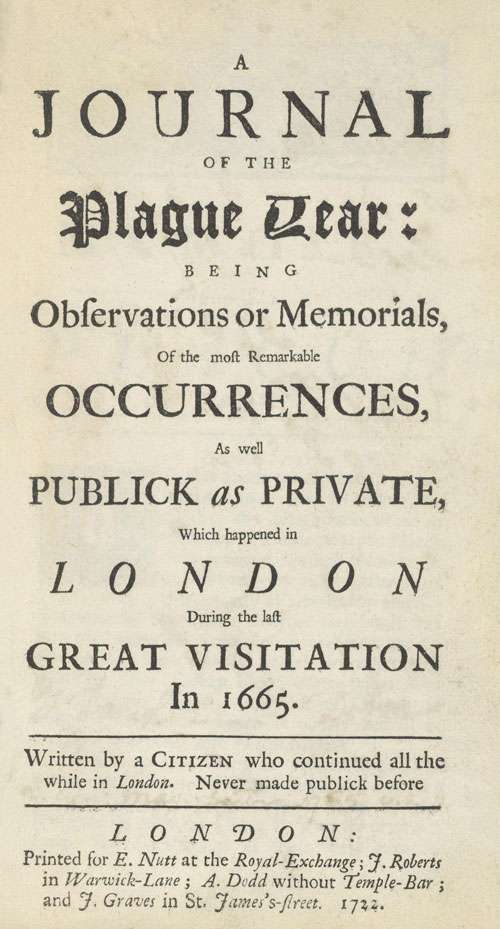 A Journal of the Plague Year / Being Observations or Memorials of the Most Remarkable Occurrences, as Well Public as Private, Which Happened in London During the Last Great Visitation in 1665. Written by a Citizen Who Continued All the While in London
by Daniel Defoe
A Journal of the Plague Year / Being Observations or Memorials of the Most Remarkable Occurrences, as Well Public as Private, Which Happened in London During the Last Great Visitation in 1665. Written by a Citizen Who Continued All the While in London
by Daniel Defoe
 The Day of Temptation
by William Le Queux
The Day of Temptation
by William Le Queux