
About This Book
Applies newer dynamic psychology to elementary arithmetic, arguing that learning consists of forming connections between situations and responses; examines what constitutes numerical knowledge, computation skills, and problem solving; discusses measurement of arithmetical abilities with tests; analyzes habit formation, drill, amount and distribution of practice, sequencing of topics, and the strength of bonds; treats abstract thinking, reasoning, and use of concrete objects; addresses pupils' innate tendencies, interest, eye hygiene, oral, mental, and written methods, problem attitude, and individual differences, offering practical principles for organizing instruction and improving arithmetic teaching.
About the Author
More Books by This Author
1 picks
You May Also Like
6 picks
 Thinking and learning to think
by Nathan Christ Schaeffer
Thinking and learning to think
by Nathan Christ Schaeffer
 Rede zum Schuljahresabschluß am 29. September 1809
by Georg Wilhelm Friedrich Hegel
Rede zum Schuljahresabschluß am 29. September 1809
by Georg Wilhelm Friedrich Hegel
 The educated Negro and his mission
by W. S. Scarborough
The educated Negro and his mission
by W. S. Scarborough
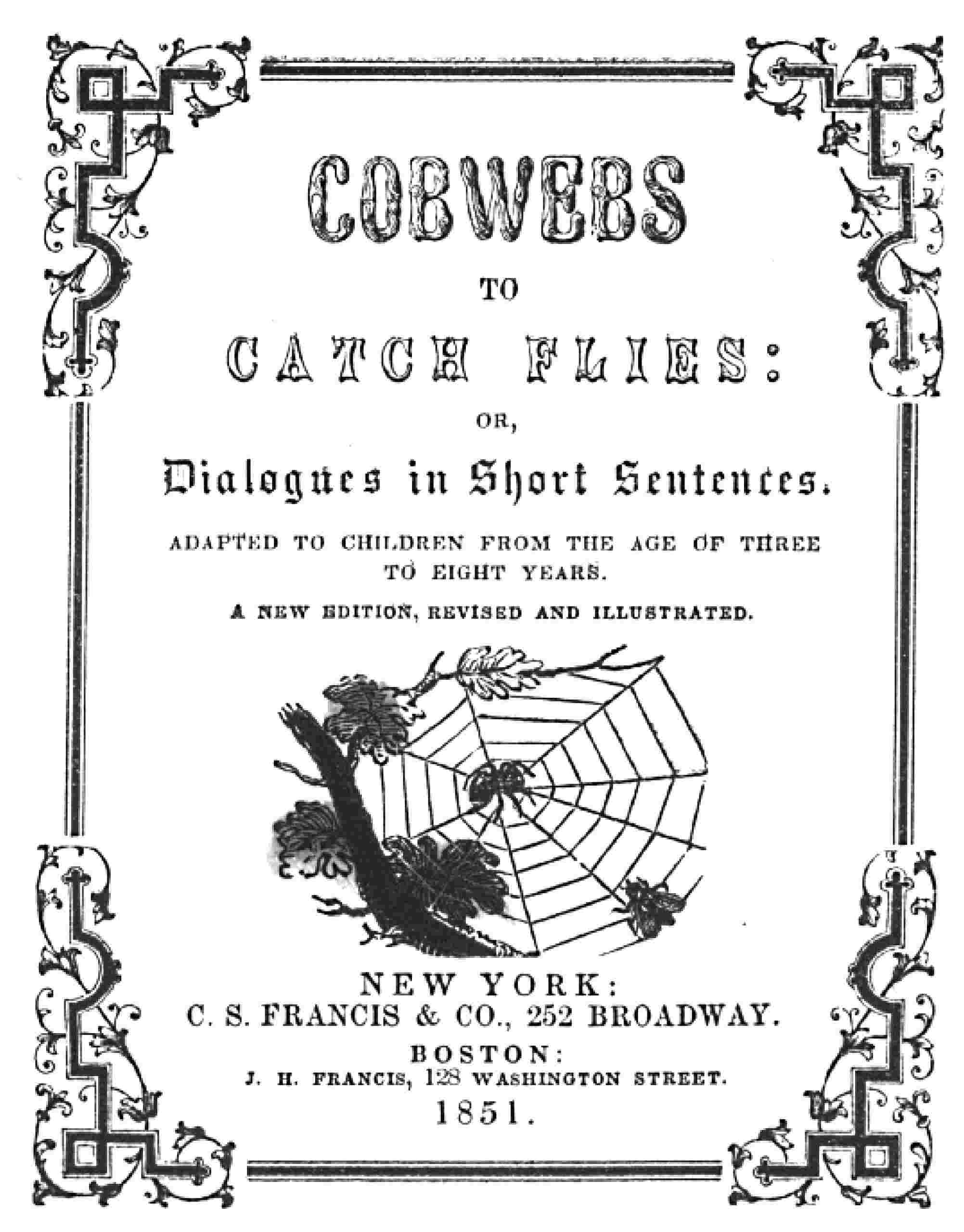 Cobwebs to catch flies
by Mrs. Lovechild
Cobwebs to catch flies
by Mrs. Lovechild
 Pitman's Commercial Spanish Grammar (2nd ed.)
by C. A. Toledano
Pitman's Commercial Spanish Grammar (2nd ed.)
by C. A. Toledano
 Public Speaking: Principles and Practice
by Irvah Lester Winter
Public Speaking: Principles and Practice
by Irvah Lester Winter