
About This Book
The author argues that modern democratic citizens are largely detached from actual governance, unable to know or decide on complex public affairs. He critiques the ideal of a sovereign, omniscient public, distinguishing between agents who engage with policy and the passive mass of bystanders. Through analysis of public opinion, debate, institutions, and the mechanics of reform, he explores how expertise, leadership, and organizational structures mediate collective will and neutralize arbitrary force. The work identifies limits of popular participation, criteria for effective reform, and the dangers posed by absentee rulers and social disorder, proposing more realistic expectations for democratic governance.
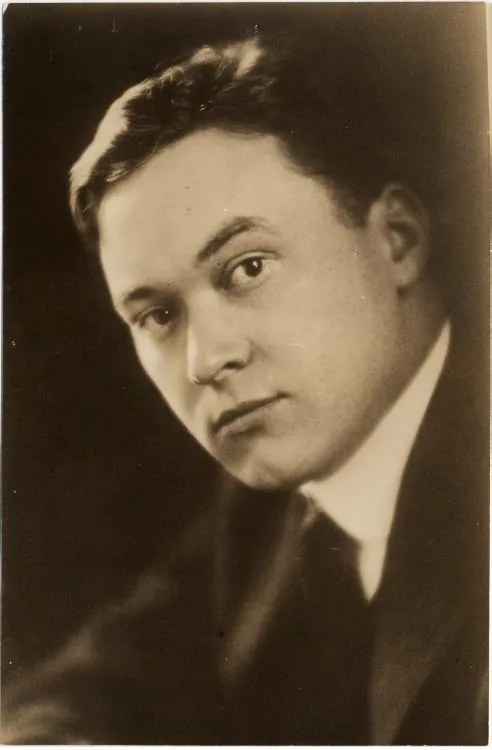
About the Author
More Books by This Author
4 picks
You May Also Like
6 picks
 A Historical Survey of the Customs, Habits, & Present State of the Gypsies
by John Hoyland
A Historical Survey of the Customs, Habits, & Present State of the Gypsies
by John Hoyland
 Die Stufe / Fragment einer Liebe
by Franziska Mann
Die Stufe / Fragment einer Liebe
by Franziska Mann
 Les quatre livres de philosophie morale et politique de la Chine
by Confucius
Les quatre livres de philosophie morale et politique de la Chine
by Confucius
 Thought-Forms
by Annie Besant
Thought-Forms
by Annie Besant
 Speeches on Questions of Public Policy, Volume 1
by John Bright
Speeches on Questions of Public Policy, Volume 1
by John Bright
 The Physiology of Taste; Or, Transcendental Gastronomy
by Brillat-Savarin
The Physiology of Taste; Or, Transcendental Gastronomy
by Brillat-Savarin