
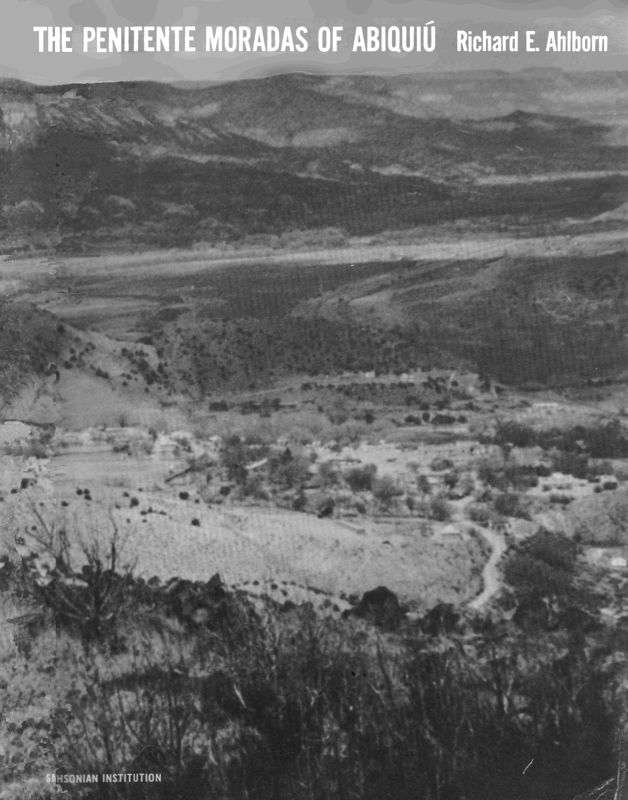
About This Book
The author documents two earthen moradas in Abiquiú used by the penitente brotherhood, describing their architecture, interior furnishings, and ritual equipment, and placing these buildings within Hispano cultural traditions. The study outlines penitente organization and officer roles, communal responsibilities in welfare and funeral rites, and the centrality of Holy Week observances such as processions, vigils, las tinieblas, and acts of contrition including flagellation. Photographs, plans, and artifact descriptions are used to show how moradas serve as functional meeting houses and tangible records of a persistent local socio-religious institution.
About the Author

You May Also Like
6 picks
 Life and Adventure in the South Pacific
by John D. Jones
Life and Adventure in the South Pacific
by John D. Jones
 Black Rebellion: Five Slave Revolts
by Thomas Wentworth Higginson
Black Rebellion: Five Slave Revolts
by Thomas Wentworth Higginson
 Explorers and Travellers
by A. W. Greely
Explorers and Travellers
by A. W. Greely
 Education of Women
by M. Carey Thomas
Education of Women
by M. Carey Thomas
 Reports on the Maya Indians of Yucatan
by Antonio García Cubas
Reports on the Maya Indians of Yucatan
by Antonio García Cubas
 Palace and Mosque at Ukhaidir: A Study in Early Mohammadan Architecture
by Gertrude Lowthian Bell
Palace and Mosque at Ukhaidir: A Study in Early Mohammadan Architecture
by Gertrude Lowthian Bell