

The New Rector
About This Book
A country parish is left without an incumbent after the death of a long-serving clergyman, triggering lively speculation and jockeying over the vacant living. The absent patron and his evasive agents complicate the appointment while the modest curate finds himself urged forward by local families. Small-town expectations, social rank, and private claims play out through petitions, hidden letters, bazaars, and personal encounters; surprises and setbacks alter the balance of support. The narrative traces local politics, community manners, and moral choices as characters confront patronage, reputation, and the consequences of an official decision.
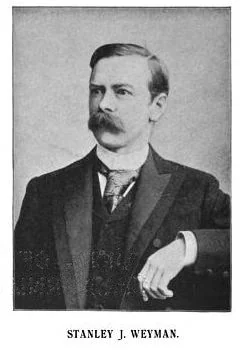
About the Author
More Books by This Author
6 picks
 "Susi": Historiallinen romaani Perttuliyön ajalta
by Stanley John Weyman
"Susi": Historiallinen romaani Perttuliyön ajalta
by Stanley John Weyman
 A Gentleman of France: Being the Memoirs of Gaston de Bonne Sieur de Marsac
by Stanley John Weyman
A Gentleman of France: Being the Memoirs of Gaston de Bonne Sieur de Marsac
by Stanley John Weyman
 A Little Wizard
by Stanley John Weyman
A Little Wizard
by Stanley John Weyman
 Chippinge Borough
by Stanley John Weyman
Chippinge Borough
by Stanley John Weyman
 Count Hannibal: A Romance of the Court of France
by Stanley John Weyman
Count Hannibal: A Romance of the Court of France
by Stanley John Weyman
 For the Cause
by Stanley John Weyman
For the Cause
by Stanley John Weyman