

A Little Wizard
About This Book
A young boy left at a rural manor observes the household's uneasy adjustments after an external claim on the property, and watches rising tensions as unrest on nearby moors draws some men into armed action while others remain behind. He moves through episodes of discovery—hidden chests, unexpected finds, and strange symbols—and experiences domestic strains, divided loyalties, and personal tests of courage. The narrative alternates intimate, suspenseful household scenes with moorland encounters and culminates in a peculiar trial and an authoritative judgment. Through these events the story examines responsibility, fear, and the moral consequences of choices made under pressure.
About the Author
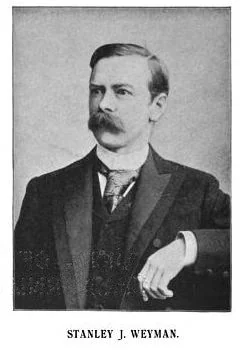
More Books by This Author
6 picks
 "Susi": Historiallinen romaani Perttuliyön ajalta
by Stanley John Weyman
"Susi": Historiallinen romaani Perttuliyön ajalta
by Stanley John Weyman
 A Gentleman of France: Being the Memoirs of Gaston de Bonne Sieur de Marsac
by Stanley John Weyman
A Gentleman of France: Being the Memoirs of Gaston de Bonne Sieur de Marsac
by Stanley John Weyman
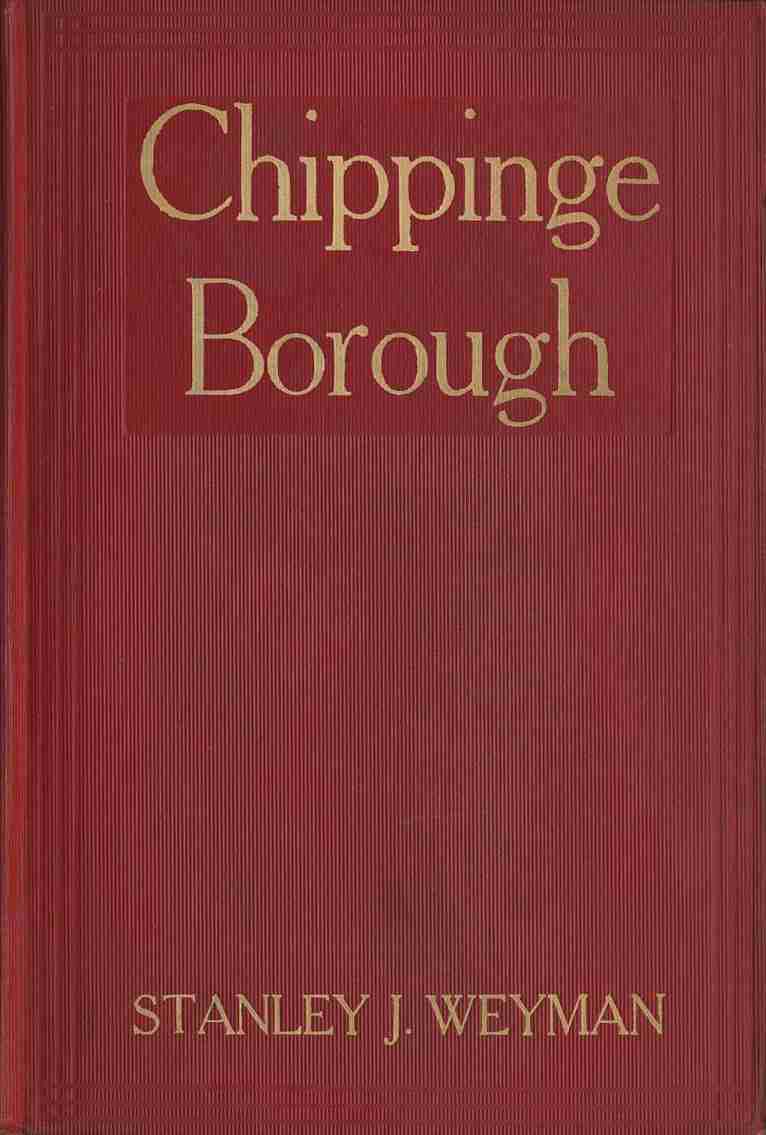 Chippinge Borough
by Stanley John Weyman
Chippinge Borough
by Stanley John Weyman
 Count Hannibal: A Romance of the Court of France
by Stanley John Weyman
Count Hannibal: A Romance of the Court of France
by Stanley John Weyman
 For the Cause
by Stanley John Weyman
For the Cause
by Stanley John Weyman
 From the Memoirs of a Minister of France
by Stanley John Weyman
From the Memoirs of a Minister of France
by Stanley John Weyman