
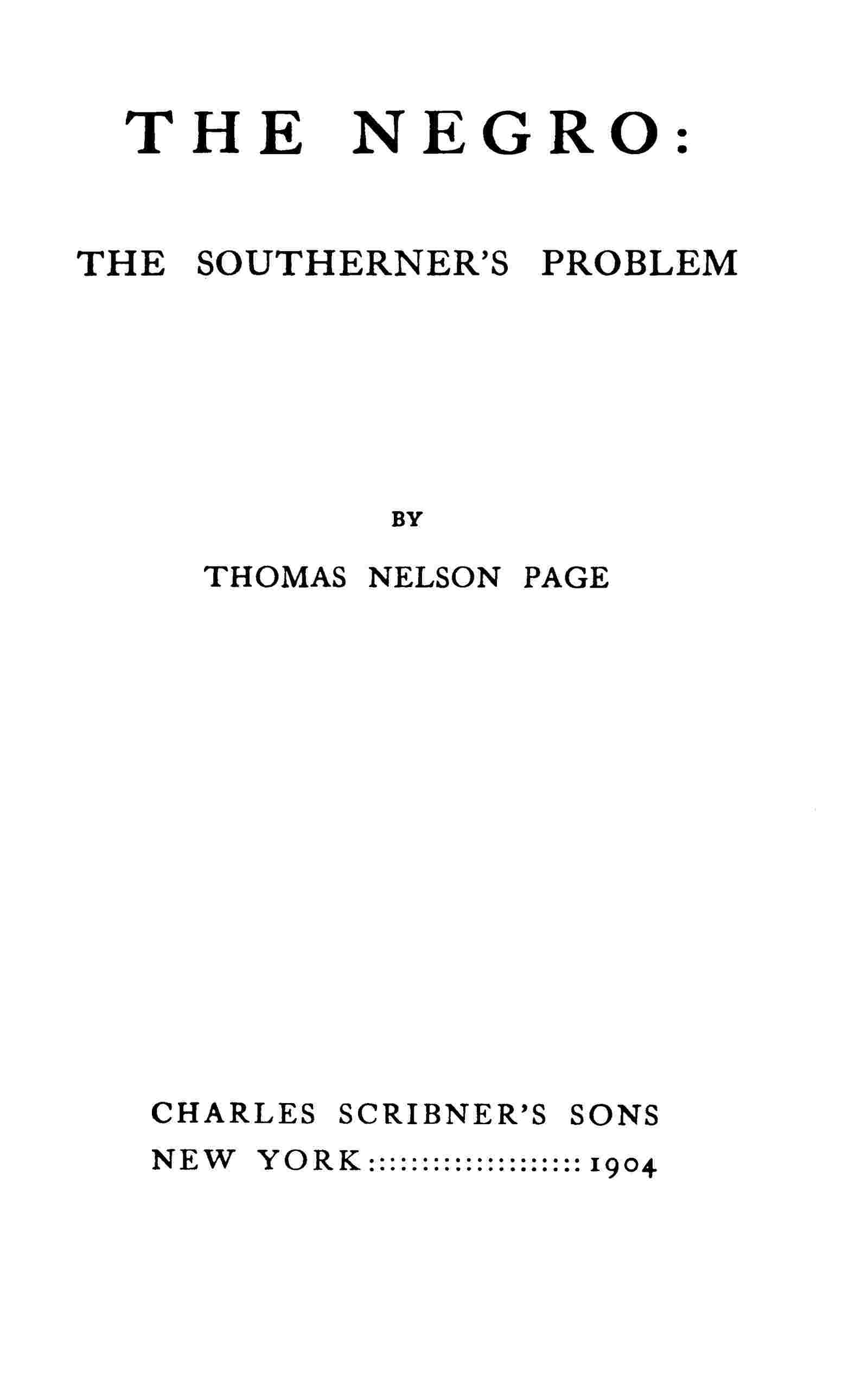
About This Book
A collection of essays by a Southern writer analyzes the legacy of slavery and the evolving relationship between Southern whites and Black people, surveying historical background, social and statistical conditions, and public policy responses. The author identifies perceived errors in past approaches, examines causes and prevention of mob violence, and addresses disfranchisement, education, labor, and local customs. Combining observation and argument, the essays assess present tensions and propose practical measures aimed at reconciling competing interests and seeking a long-term resolution to the racial question affecting the region.
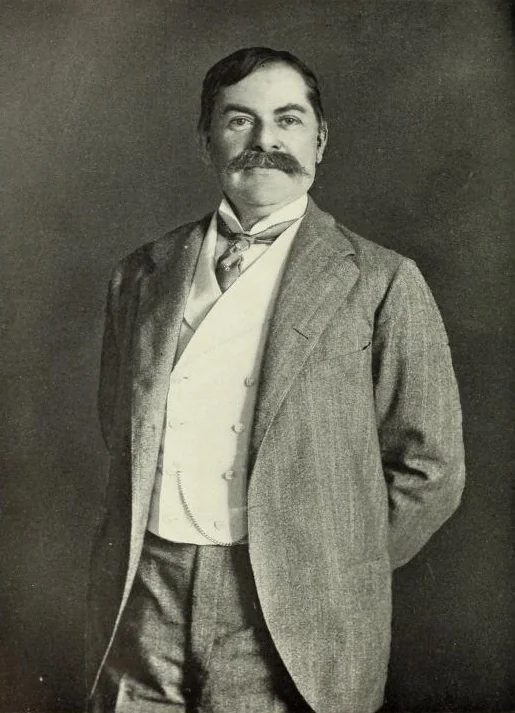
About the Author
More Books by This Author
6 picks




You May Also Like
6 picks
 The Mysteries of Modern London
by George R. Sims
The Mysteries of Modern London
by George R. Sims
 The Professor at the Breakfast-Table
by Oliver Wendell Holmes
The Professor at the Breakfast-Table
by Oliver Wendell Holmes
 The Western World / Picturesque Sketches of Nature and Natural History in North / and South America
by William Henry Giles Kingston
The Western World / Picturesque Sketches of Nature and Natural History in North / and South America
by William Henry Giles Kingston
 An Historical Account of the Settlements of Scotch Highlanders in America
by J. P. MacLean
An Historical Account of the Settlements of Scotch Highlanders in America
by J. P. MacLean
 American Masters of Painting / Being Brief Appreciations of Some American Painters
by Charles H. Caffin
American Masters of Painting / Being Brief Appreciations of Some American Painters
by Charles H. Caffin
 History of Company E of the Sixth Minnesota Regiment of Volunteer Infantry
by A. J. Hill
History of Company E of the Sixth Minnesota Regiment of Volunteer Infantry
by A. J. Hill