
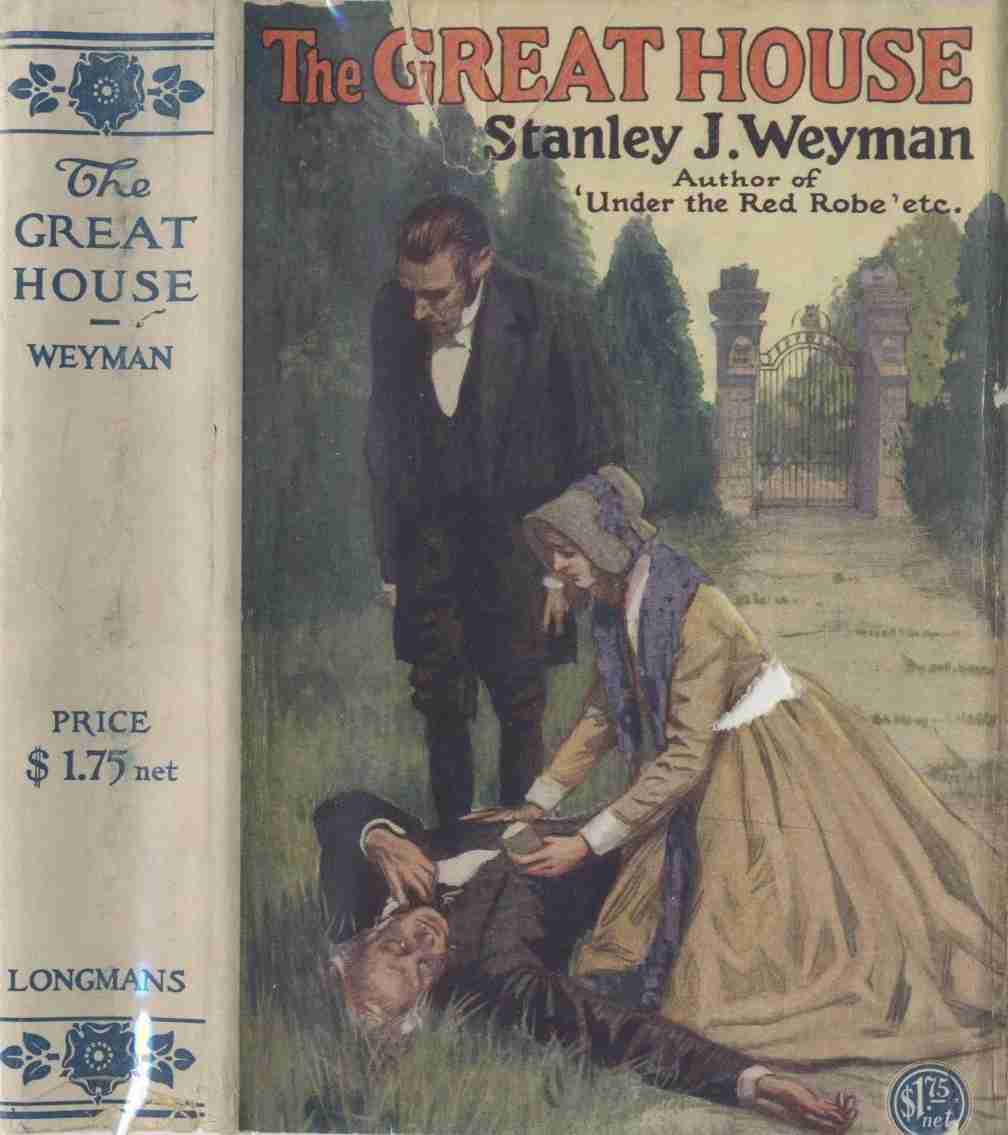
The Great House
About This Book
The story opens with a young woman in a cold attic dormitory in Paris and follows her return to England and involvement with a landed household and its inhabitants. A cast including John Audley, Peter, Toft, My Lord, and others become entangled in local politics culminating in an election and the Corn Law crisis, exposing social tensions and conflicting loyalties. The narrative mixes romance, intrigue, and class conflict through disappearances, daring rescues, mistaken or hidden identities, and discoveries such as the Audley Bible and a deed of renunciation. Ultimately private sacrifices and public actions force characters to reassess duty, affection, and self-determination, producing reconciliations and new positions within the great house and community.
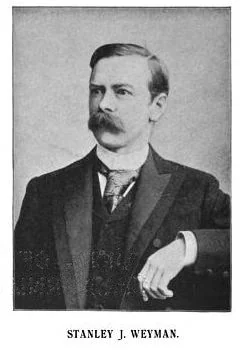
About the Author
More Books by This Author
 "Susi": Historiallinen romaani Perttuliyön ajalta
by Stanley John Weyman
"Susi": Historiallinen romaani Perttuliyön ajalta
by Stanley John Weyman
 A Gentleman of France: Being the Memoirs of Gaston de Bonne Sieur de Marsac
by Stanley John Weyman
A Gentleman of France: Being the Memoirs of Gaston de Bonne Sieur de Marsac
by Stanley John Weyman
 A Little Wizard
by Stanley John Weyman
A Little Wizard
by Stanley John Weyman
 Chippinge Borough
by Stanley John Weyman
Chippinge Borough
by Stanley John Weyman
 Count Hannibal: A Romance of the Court of France
by Stanley John Weyman
Count Hannibal: A Romance of the Court of France
by Stanley John Weyman
 For the Cause
by Stanley John Weyman
For the Cause
by Stanley John Weyman