
About This Book
A playful instructional manual that teaches elementary symbolic logic through a tabletop game using nine colored counters and diagrams. It explains propositions, subjects and predicates, universal and particular forms, then develops syllogisms, common fallacies, and problem exercises organized into chapters such as Cross Questions, Crooked Answers, and Hit or Miss. Each chapter introduces diagrams, rules for placing counters to represent logical relations, worked examples, and puzzles intended for solo or paired players. Emphasis falls on visualization, step-by-step procedures, and error correction, presented in a light, conversational manner to make logical reasoning accessible and engaging.
About the Author
More Books by This Author
6 picks
 A Tangled Tale
by Lewis Carroll
A Tangled Tale
by Lewis Carroll
 Alice in Wonderland, Retold in Words of One Syllable
by Lewis Carroll
Alice in Wonderland, Retold in Words of One Syllable
by Lewis Carroll
 Alice's Abenteuer im Wunderland
by Lewis Carroll
Alice's Abenteuer im Wunderland
by Lewis Carroll
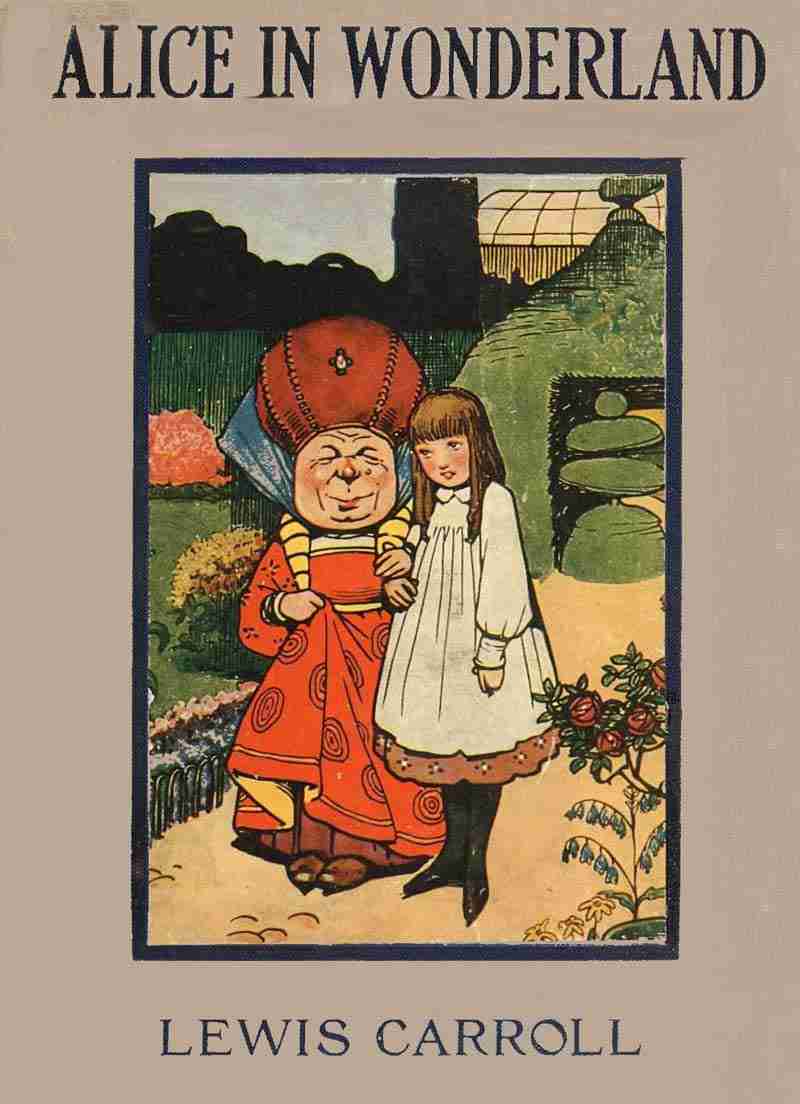 Alice's Adventures in Wonderland
by Lewis Carroll
Alice's Adventures in Wonderland
by Lewis Carroll
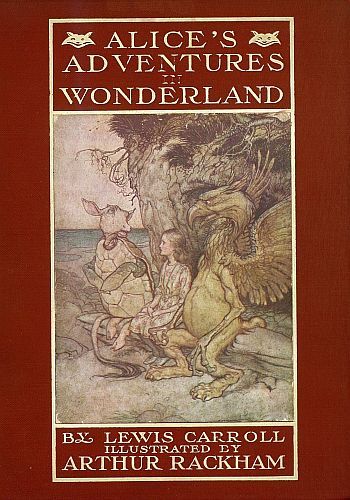 Alice's Adventures in Wonderland / Illustrated by Arthur Rackham. With a Proem by Austin Dobson
by Lewis Carroll
Alice's Adventures in Wonderland / Illustrated by Arthur Rackham. With a Proem by Austin Dobson
by Lewis Carroll
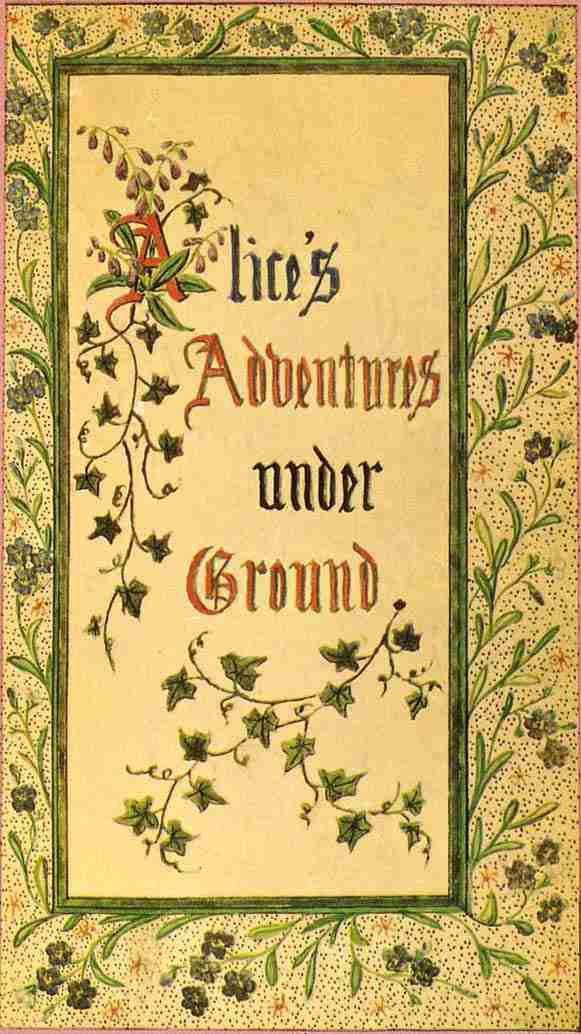 Alice's Adventures Under Ground / Being a facsimile of the original Ms. book afterwards developed into "Alice's Adventures in Wonderland"
by Lewis Carroll
Alice's Adventures Under Ground / Being a facsimile of the original Ms. book afterwards developed into "Alice's Adventures in Wonderland"
by Lewis Carroll
You May Also Like
6 picks
 The puzzle king
by John Scott
The puzzle king
by John Scott
 Die Thurmuhr: eine Rechen-Fibel für kleine Kinder
by F. G. Normann
Die Thurmuhr: eine Rechen-Fibel für kleine Kinder
by F. G. Normann
 The Teaching of Geometry
by David Eugene Smith
The Teaching of Geometry
by David Eugene Smith
 The slide rule
by Charles N. Pickworth
The slide rule
by Charles N. Pickworth
 Die Naturwissenschaften in ihrer Entwicklung und in ihrem Zusammenhange, II. Band / Von Galilei bis zur Mitte des XVIII. Jahrhunderts
by Friedrich Dannemann
Die Naturwissenschaften in ihrer Entwicklung und in ihrem Zusammenhange, II. Band / Von Galilei bis zur Mitte des XVIII. Jahrhunderts
by Friedrich Dannemann
 An essay on the foundations of geometry
by Bertrand Russell
An essay on the foundations of geometry
by Bertrand Russell