
About This Book
When individuals assemble for collective action their psychology acquires new, often unconscious characteristics distinct from personal traits. Such assemblies show reduced critical reasoning, increased suggestibility, emotional contagion, anonymity-fueled impulsiveness, and quick crystallization of shared beliefs under the sway of leaders and prestige. These unconscious forces can create complex cultural products like language yet make societies resistant to sudden reform; institutions and customs change slowly. Study therefore must weigh theoretical reasoning against practical realities, acknowledging hidden causes and recurrent mechanisms—contagion, suggestion, and the conservative power of tradition.
About the Author

More Books by This Author
6 picks
 A tömegek lélektana
by Gustave Le Bon
A tömegek lélektana
by Gustave Le Bon
 Aphorismes du temps présent
by Gustave Le Bon
Aphorismes du temps présent
by Gustave Le Bon
 Hier et demain
by Gustave Le Bon
Hier et demain
by Gustave Le Bon
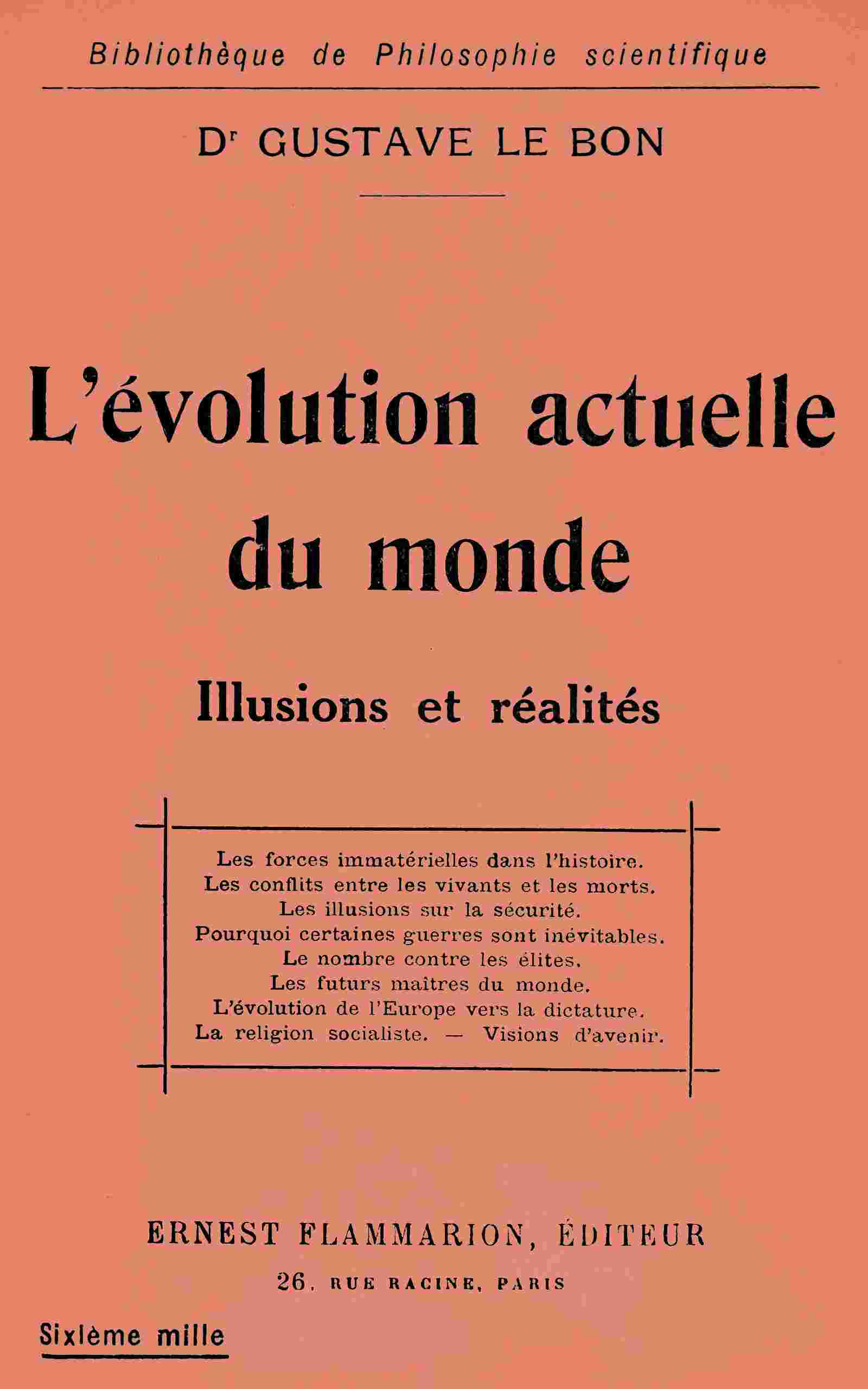 L'évolution actuelle du monde: illusions et réalités
by Gustave Le Bon
L'évolution actuelle du monde: illusions et réalités
by Gustave Le Bon
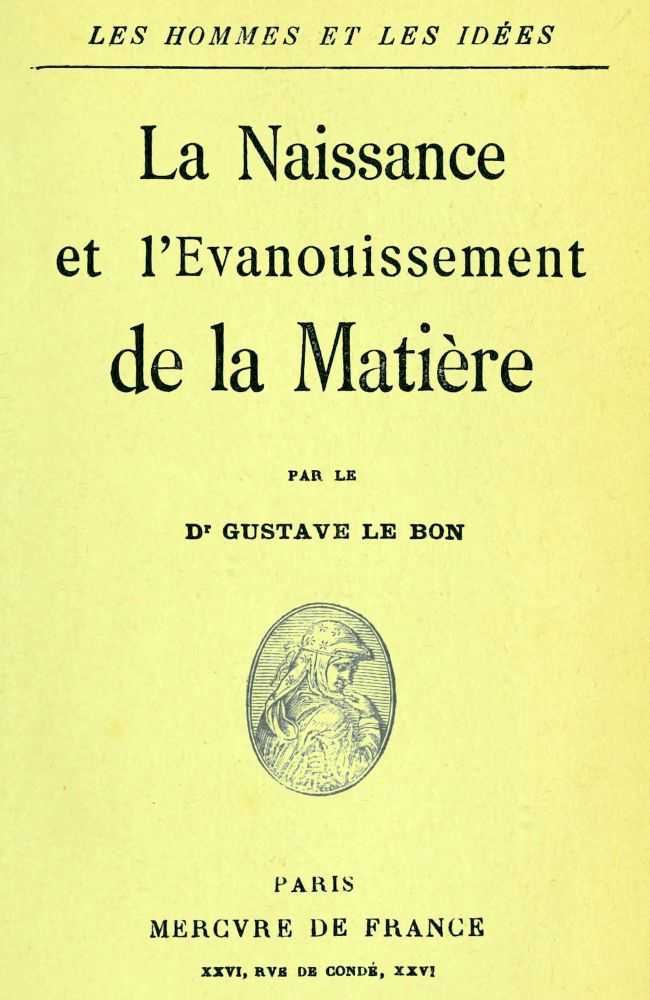 La naissance et l'évanouissement de la matière
by Gustave Le Bon
La naissance et l'évanouissement de la matière
by Gustave Le Bon
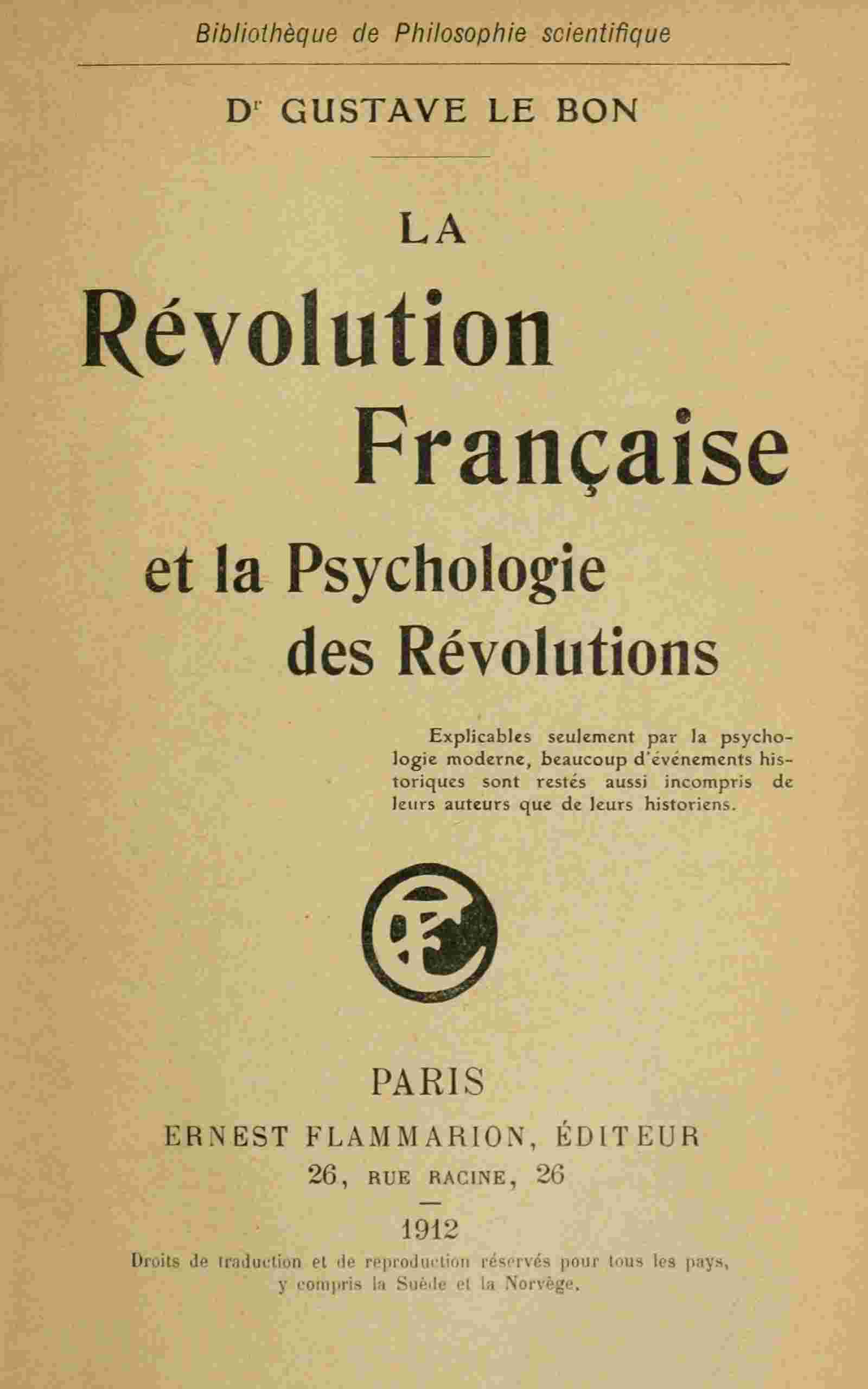 La Révolution Française et la psychologie des révolutions
by Gustave Le Bon
La Révolution Française et la psychologie des révolutions
by Gustave Le Bon
You May Also Like
6 picks
 Le socialisme en danger
by Ferdinand Domela Nieuwenhuis
Le socialisme en danger
by Ferdinand Domela Nieuwenhuis
 Prisoners of Poverty Abroad
by Helen Campbell
Prisoners of Poverty Abroad
by Helen Campbell
 MindGames: Short Fiction about Bizarre Mental Health Disorders
by Samuel Vaknin
MindGames: Short Fiction about Bizarre Mental Health Disorders
by Samuel Vaknin
 Der Untergang des Abendlandes, Erster Band
by Oswald Spengler
Der Untergang des Abendlandes, Erster Band
by Oswald Spengler
 Eugenics as a Factor in the Prevention of Mental Disease
by Horatio M. Pollock
Eugenics as a Factor in the Prevention of Mental Disease
by Horatio M. Pollock
 How the Poor Live; and, Horrible London / 1889
by George R. Sims
How the Poor Live; and, Horrible London / 1889
by George R. Sims