
About This Book
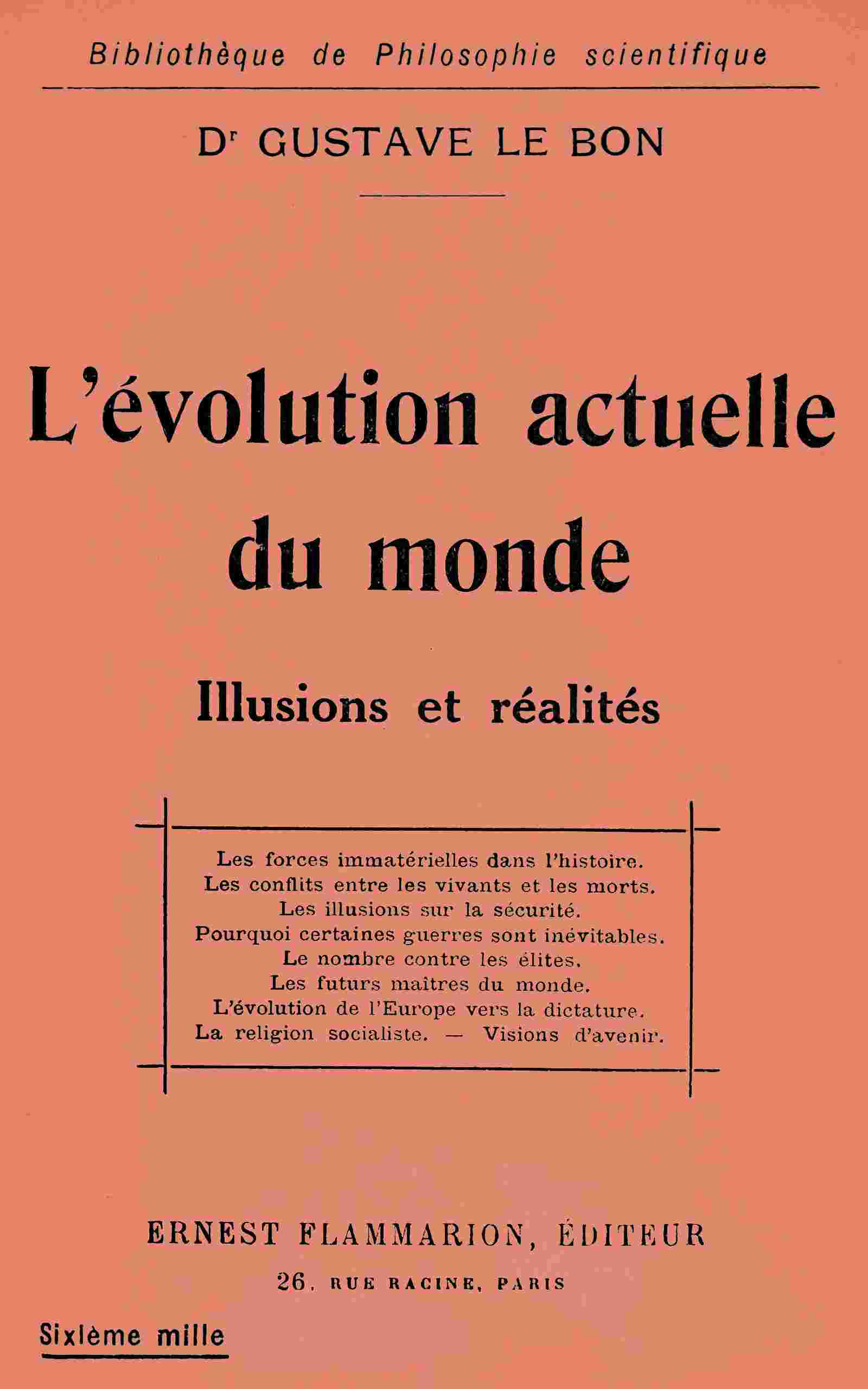
The author offers a panoramic analysis of the contemporary world as caught between a closing order and an emergent one, arguing that its future depends on the interaction of creative forces from science and industry, conservatory legacies embedded in popular psychology, and destructive impulses such as rivalries, revolutions, and ambition. He examines economic and political instability, including social conflicts, strikes, and the rise of authoritarian responses, and traces shifts in global influence driven by financial and industrial changes. The book explores the psychological foundations of mass behavior and political movements, the appeal of collectivist religions, and the attraction of new elites. It concludes by warning about the lethal potential of modern destructive technologies and sketching possible future scenarios.
About the Author

More Books by This Author

You May Also Like
 Gedanken über Religion / Die religiöse Entwicklung eines Naturforschers vom Atheismus zum Christentum.
by George John Romanes
Gedanken über Religion / Die religiöse Entwicklung eines Naturforschers vom Atheismus zum Christentum.
by George John Romanes
 Essays in Experimental Logic
by John Dewey
Essays in Experimental Logic
by John Dewey
 Handicaps of Childhood
by H. Addington Bruce
Handicaps of Childhood
by H. Addington Bruce
 The American Republic: Its Constitution, Tendencies, and Destiny
by Orestes Augustus Brownson
The American Republic: Its Constitution, Tendencies, and Destiny
by Orestes Augustus Brownson
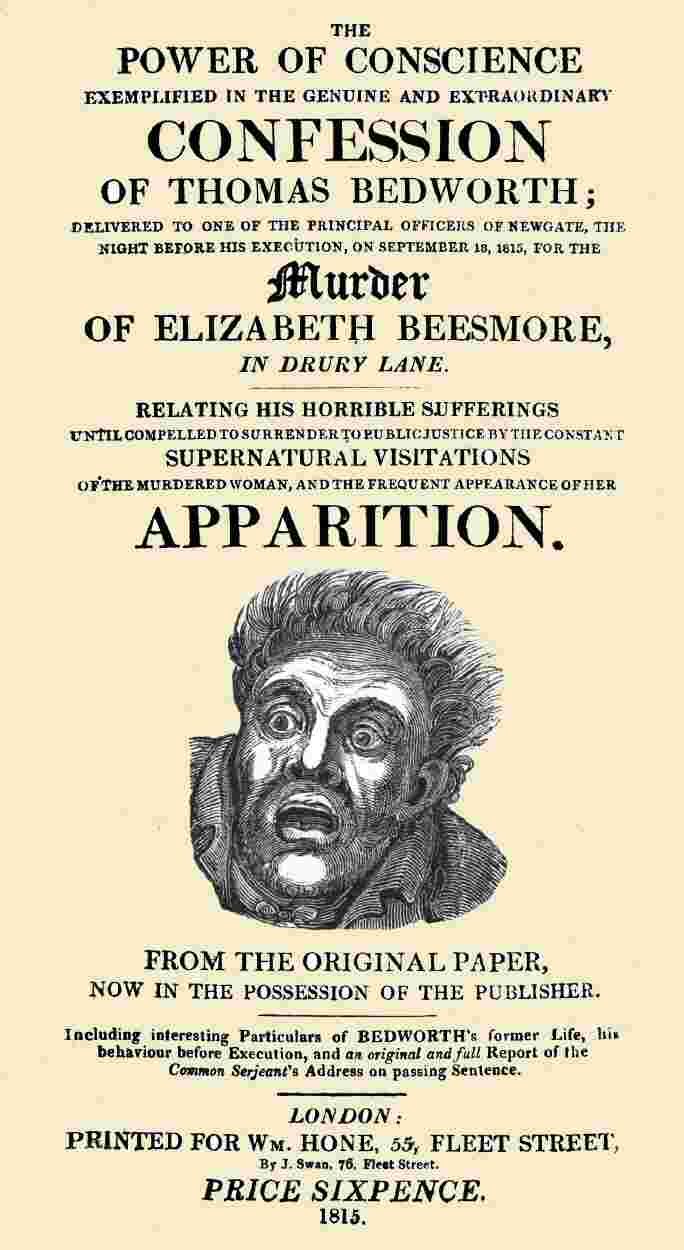 The Power of Conscience, exemplified in the genuine and extraordinary confession of Thomas Bedworth / delivered to one of the principal officers of Newgate, the night before his execution on September 18, 1815, for the murder of Elizabeth Beesmore in Drury lane. Relating his horrible sufferings until compelled to surrender to public justice by the constant supernatural visitations of the murdered woman, and the frequent appearance of her apparition. From the original paper now in the possession of the publisher. Including interesting particulars of Bedworth's former life, his behaviour before execution, and an original and full report of the Common Serjeant's address on passing sentence.
by Thomas Bedworth
The Power of Conscience, exemplified in the genuine and extraordinary confession of Thomas Bedworth / delivered to one of the principal officers of Newgate, the night before his execution on September 18, 1815, for the murder of Elizabeth Beesmore in Drury lane. Relating his horrible sufferings until compelled to surrender to public justice by the constant supernatural visitations of the murdered woman, and the frequent appearance of her apparition. From the original paper now in the possession of the publisher. Including interesting particulars of Bedworth's former life, his behaviour before execution, and an original and full report of the Common Serjeant's address on passing sentence.
by Thomas Bedworth
 Principles of Freedom
by Terence J. MacSwiney
Principles of Freedom
by Terence J. MacSwiney