
About This Book
The narrative opens with a violent altercation at a roadside inn that propels a fashionable young gentleman into a tangle of social quarrels and a formal challenge. Subsequent chapters trace the consequences: romantic entanglements with a spirited young woman, family tensions, legal and financial complications, episodic chases and concealments, and comic as well as dangerous misadventures. Through scenes in country stages, coaching journeys, and civic encounters, the plot examines honor, vanity, and loyalty, resolving in disclosures and negotiated settlements that restore order while exposing the absurdities of rank and pretension.
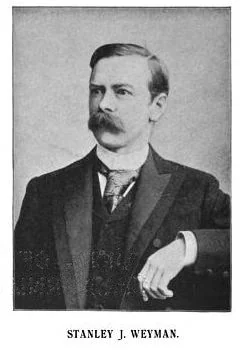
About the Author
More Books by This Author
6 picks
 "Susi": Historiallinen romaani Perttuliyön ajalta
by Stanley John Weyman
"Susi": Historiallinen romaani Perttuliyön ajalta
by Stanley John Weyman
 A Gentleman of France: Being the Memoirs of Gaston de Bonne Sieur de Marsac
by Stanley John Weyman
A Gentleman of France: Being the Memoirs of Gaston de Bonne Sieur de Marsac
by Stanley John Weyman
 A Little Wizard
by Stanley John Weyman
A Little Wizard
by Stanley John Weyman
 Chippinge Borough
by Stanley John Weyman
Chippinge Borough
by Stanley John Weyman
 Count Hannibal: A Romance of the Court of France
by Stanley John Weyman
Count Hannibal: A Romance of the Court of France
by Stanley John Weyman
 For the Cause
by Stanley John Weyman
For the Cause
by Stanley John Weyman
You May Also Like
6 picks
 Mason of Bar X Ranch
by Henry Holcomb Bennett
Mason of Bar X Ranch
by Henry Holcomb Bennett
 William Blake
by G. K. Chesterton
William Blake
by G. K. Chesterton
 The Lancashire Witches: A Romance of Pendle Forest
by William Harrison Ainsworth
The Lancashire Witches: A Romance of Pendle Forest
by William Harrison Ainsworth
 The Radio Boys at Ocean Point; Or, The Message that Saved the Ship
by Allen Chapman
The Radio Boys at Ocean Point; Or, The Message that Saved the Ship
by Allen Chapman
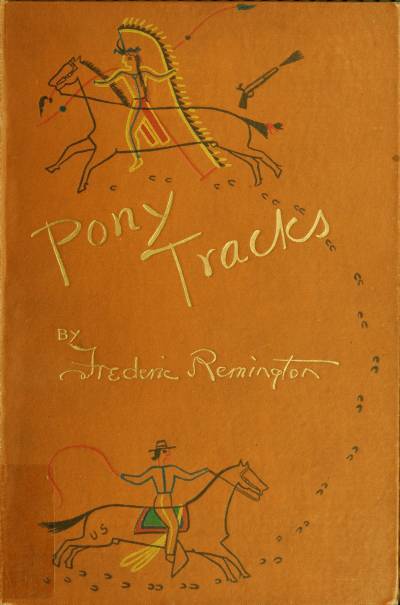 Pony Tracks
by Frederic Remington
Pony Tracks
by Frederic Remington
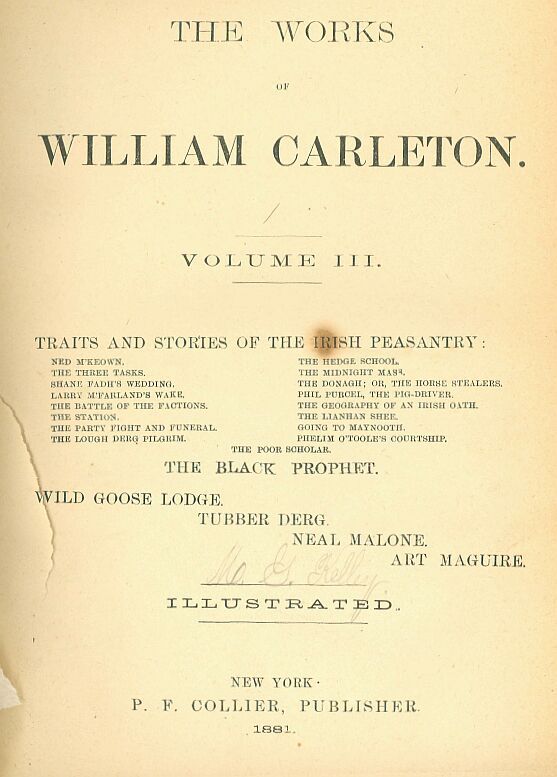 Going to Maynooth / Traits and Stories of the Irish Peasantry, The Works of William Carleton, Volume Three
by William Carleton
Going to Maynooth / Traits and Stories of the Irish Peasantry, The Works of William Carleton, Volume Three
by William Carleton