
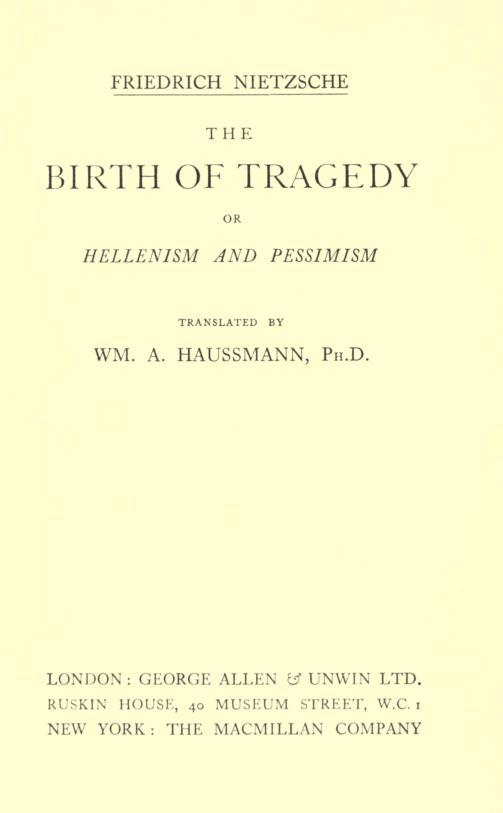
About This Book
The essay proposes that Western art springs from a tension between two aesthetic forces: an Apollonian impulse of form, image, and individuation, and a Dionysian impulse of music, ecstasy, and communal dissolution. It traces how their fusion produced ancient tragedy, which permits a reconciliatory confrontation with suffering and existential pessimism through artistic catharsis. The author critiques modern rationalism and cultural decline for eroding tragic insight, emphasizes music's metaphysical primacy, and advocates a renewed art that restores the balance of these forces to revitalize aesthetic and cultural life.
About the Author

More Books by This Author
6 picks
 Ainsi Parlait Zarathoustra
by Friedrich Wilhelm Nietzsche
Ainsi Parlait Zarathoustra
by Friedrich Wilhelm Nietzsche
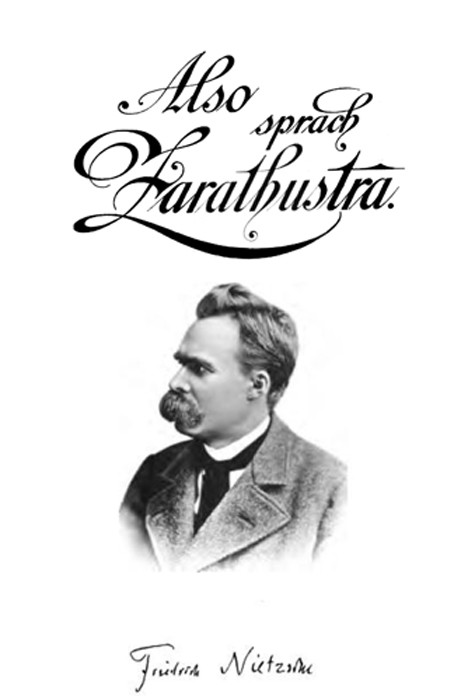 Also sprach Zarathustra: Ein Buch für Alle und Keinen
by Friedrich Wilhelm Nietzsche
Also sprach Zarathustra: Ein Buch für Alle und Keinen
by Friedrich Wilhelm Nietzsche
 Antikristus: Arvostelukoe kristinopista
by Friedrich Wilhelm Nietzsche
Antikristus: Arvostelukoe kristinopista
by Friedrich Wilhelm Nietzsche
 Beyond Good and Evil
by Friedrich Wilhelm Nietzsche
Beyond Good and Evil
by Friedrich Wilhelm Nietzsche
 Considérations inactuelles, deuxième série / Schopenhauer éducateur, Richard Wagner à Bayreuth
by Friedrich Wilhelm Nietzsche
Considérations inactuelles, deuxième série / Schopenhauer éducateur, Richard Wagner à Bayreuth
by Friedrich Wilhelm Nietzsche
 Der Wille zur Macht: Eine Auslegung alles Geschehens
by Friedrich Wilhelm Nietzsche
Der Wille zur Macht: Eine Auslegung alles Geschehens
by Friedrich Wilhelm Nietzsche
You May Also Like
6 picks
 The Foundations of Science: Science and Hypothesis, The Value of Science, Science and Method
by Henri Poincaré
The Foundations of Science: Science and Hypothesis, The Value of Science, Science and Method
by Henri Poincaré
 Last Words on Evolution: A Popular Retrospect and Summary
by Ernst Haeckel
Last Words on Evolution: A Popular Retrospect and Summary
by Ernst Haeckel
 Georgicon
by Virgil
Georgicon
by Virgil
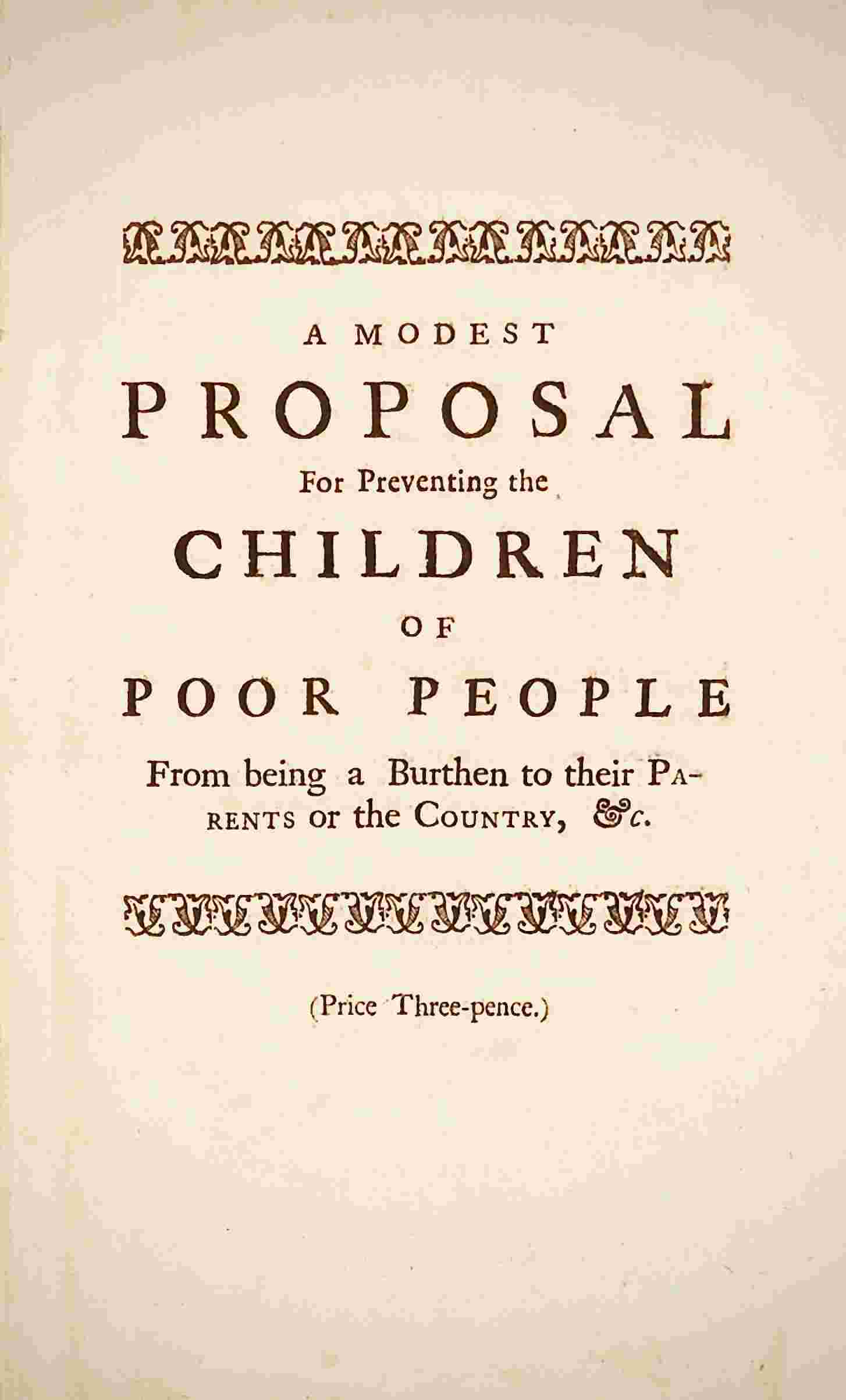 A Modest Proposal / For preventing the children of poor people in Ireland, from being a burden on their parents or country, and for making them beneficial to the publick
by Jonathan Swift
A Modest Proposal / For preventing the children of poor people in Ireland, from being a burden on their parents or country, and for making them beneficial to the publick
by Jonathan Swift
 Dante: "The Central Man of All the World" / A Course of Lectures Delivered Before the Student Body of the New York State College for Teachers, Albany, 1919, 1920
by John T. Slattery
Dante: "The Central Man of All the World" / A Course of Lectures Delivered Before the Student Body of the New York State College for Teachers, Albany, 1919, 1920
by John T. Slattery
 El la Biblio / Elektitaj ĉapitroj de la Psalmaro, Sentencoj de Salomono kaj Predikanto
by L. L. Zamenhof
El la Biblio / Elektitaj ĉapitroj de la Psalmaro, Sentencoj de Salomono kaj Predikanto
by L. L. Zamenhof