

About This Book
Aphorisms and essays confront philosophical dogmatism and common moral assumptions, examining why the will to truth exists and whether truth itself deserves unquestioned value. The work advances a perspectival view of knowledge, treats moral judgments as rooted in human drives, and criticizes metaphysical and religious doctrines for concealing psychological motives. It analyzes the origins and functions of different moralities, contrasts herd-minded and noble temperaments, and considers the role of the free spirit in culture and scholarship. The style is provocative and compact, combining polemic critique with psychological observation and reflective maxims.
About the Author

More Books by This Author
6 picks
 Ainsi Parlait Zarathoustra
by Friedrich Wilhelm Nietzsche
Ainsi Parlait Zarathoustra
by Friedrich Wilhelm Nietzsche
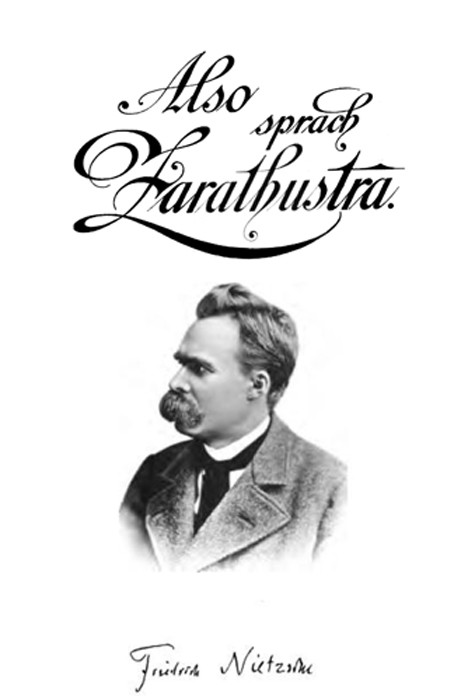 Also sprach Zarathustra: Ein Buch für Alle und Keinen
by Friedrich Wilhelm Nietzsche
Also sprach Zarathustra: Ein Buch für Alle und Keinen
by Friedrich Wilhelm Nietzsche
 Antikristus: Arvostelukoe kristinopista
by Friedrich Wilhelm Nietzsche
Antikristus: Arvostelukoe kristinopista
by Friedrich Wilhelm Nietzsche
 Considérations inactuelles, deuxième série / Schopenhauer éducateur, Richard Wagner à Bayreuth
by Friedrich Wilhelm Nietzsche
Considérations inactuelles, deuxième série / Schopenhauer éducateur, Richard Wagner à Bayreuth
by Friedrich Wilhelm Nietzsche
 Der Wille zur Macht: Eine Auslegung alles Geschehens
by Friedrich Wilhelm Nietzsche
Der Wille zur Macht: Eine Auslegung alles Geschehens
by Friedrich Wilhelm Nietzsche
 Die Geburt der Tragödie: Versuch einer Selbstkritik
by Friedrich Wilhelm Nietzsche
Die Geburt der Tragödie: Versuch einer Selbstkritik
by Friedrich Wilhelm Nietzsche
You May Also Like
6 picks
 A Selection from the Discourses of Epictetus with the Encheiridion
by Epictetus
A Selection from the Discourses of Epictetus with the Encheiridion
by Epictetus
 Flames
by Robert Hichens
Flames
by Robert Hichens
 Heretics
by G. K. Chesterton
Heretics
by G. K. Chesterton
 Mehiläisten elämä
by Maurice Maeterlinck
Mehiläisten elämä
by Maurice Maeterlinck
 Art Principles with Special Reference to Painting / Together with Notes on the Illusions Produced by the Painter
by Ernest Govett
Art Principles with Special Reference to Painting / Together with Notes on the Illusions Produced by the Painter
by Ernest Govett
 "Nothing Between" / The Special Doctrines Vindicated at the Reformation as Bearing upon the Spiritual Life of the Church
by Edward Hoare
"Nothing Between" / The Special Doctrines Vindicated at the Reformation as Bearing upon the Spiritual Life of the Church
by Edward Hoare