
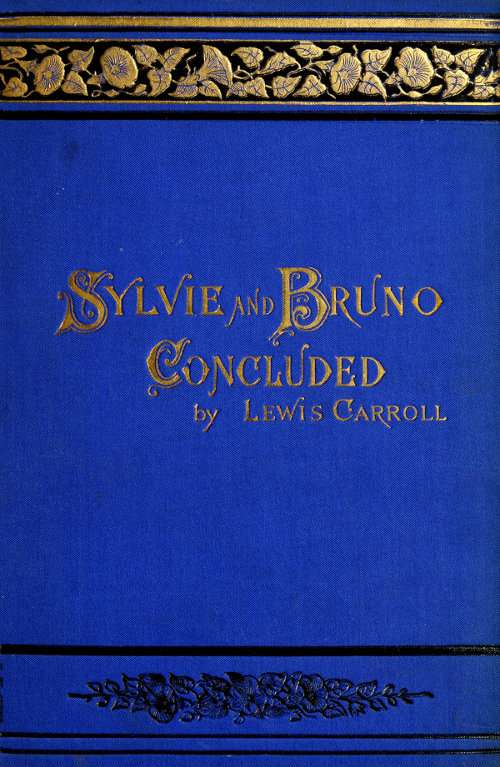
About This Book
The concluding portion weaves two interlaced strands: a whimsical fairy tale about diminutive supernatural beings and a parallel, often satirical, account of ordinary domestic life. Figures shift among ordinary wakefulness, an eerie awareness of fairies, and trance-like migrations that allow crossings between human and fairy perspectives. The narrative alternates prose with poems, songs, riddles, and playful orthographic experiments, and is broken into episodic scenes accentuated by illustrations. Beneath its comic and fanciful surface the work probes perception, belief, moral ambiguity, and the uncertain authority of storytellers.
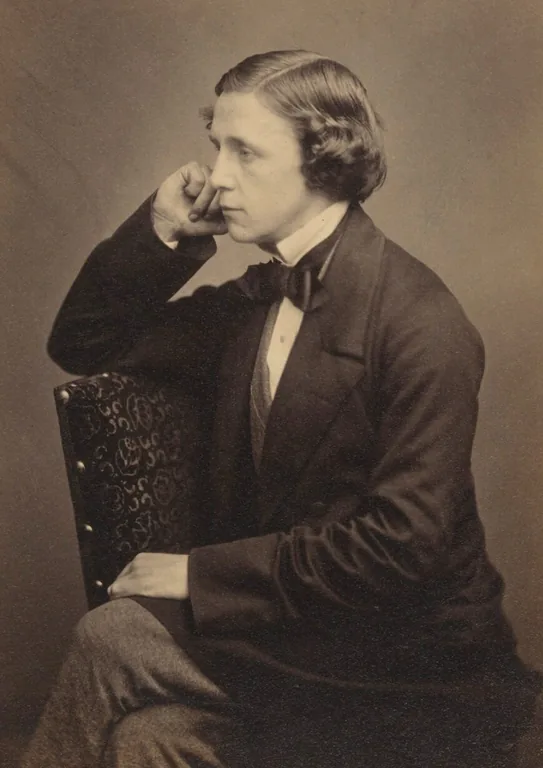
About the Author
More Books by This Author
6 picks
 A Tangled Tale
by Lewis Carroll
A Tangled Tale
by Lewis Carroll
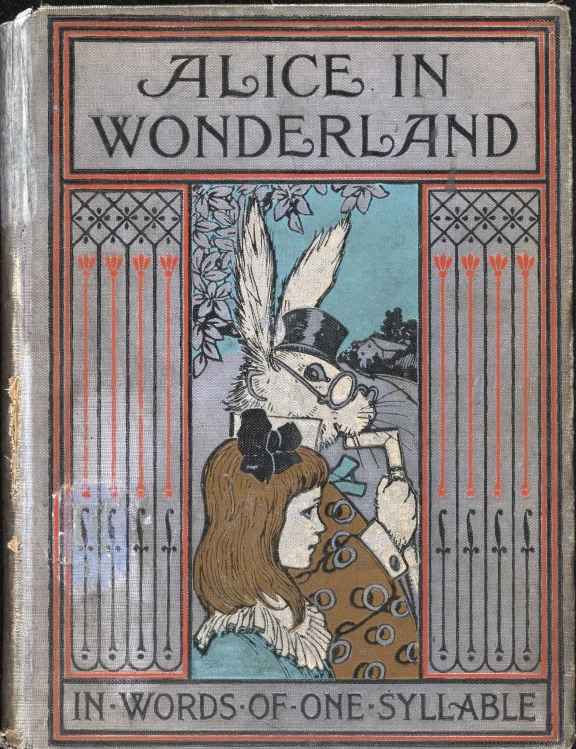 Alice in Wonderland, Retold in Words of One Syllable
by Lewis Carroll
Alice in Wonderland, Retold in Words of One Syllable
by Lewis Carroll
 Alice's Abenteuer im Wunderland
by Lewis Carroll
Alice's Abenteuer im Wunderland
by Lewis Carroll
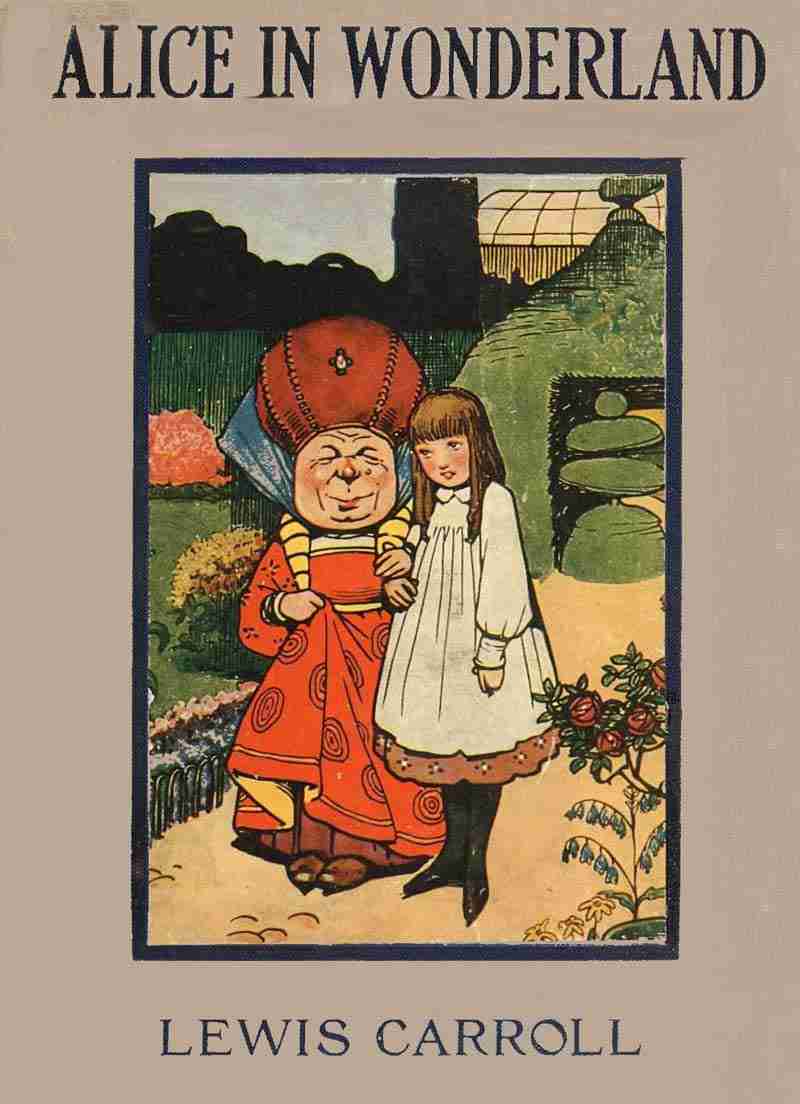 Alice's Adventures in Wonderland
by Lewis Carroll
Alice's Adventures in Wonderland
by Lewis Carroll
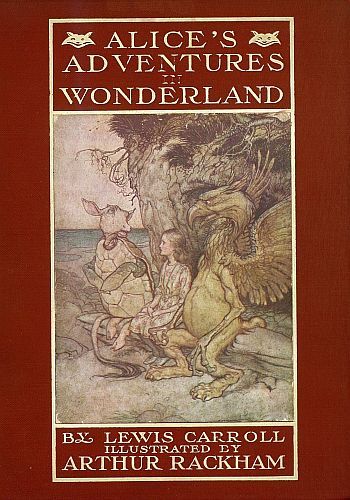 Alice's Adventures in Wonderland / Illustrated by Arthur Rackham. With a Proem by Austin Dobson
by Lewis Carroll
Alice's Adventures in Wonderland / Illustrated by Arthur Rackham. With a Proem by Austin Dobson
by Lewis Carroll
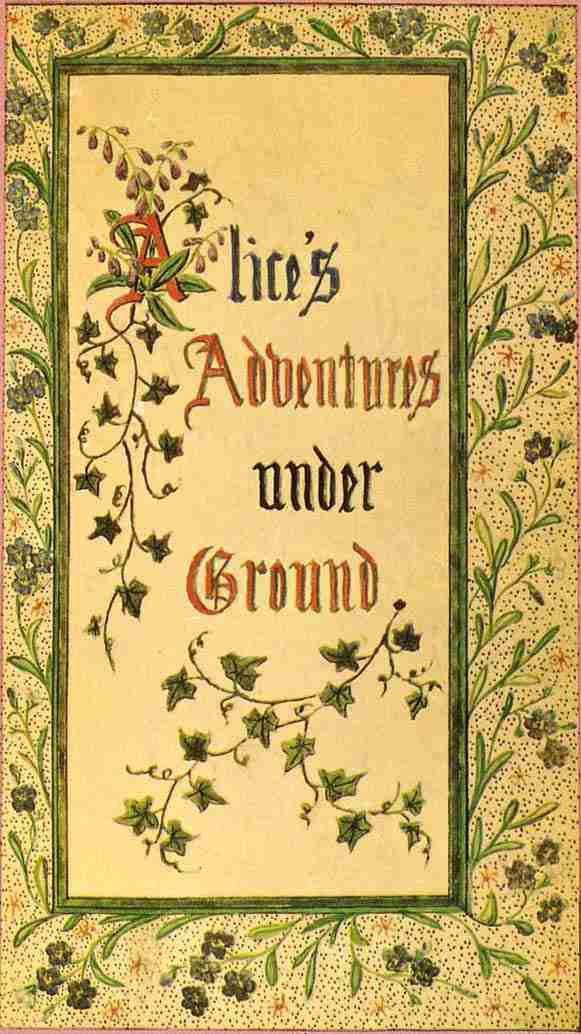 Alice's Adventures Under Ground / Being a facsimile of the original Ms. book afterwards developed into "Alice's Adventures in Wonderland"
by Lewis Carroll
Alice's Adventures Under Ground / Being a facsimile of the original Ms. book afterwards developed into "Alice's Adventures in Wonderland"
by Lewis Carroll
You May Also Like
6 picks
 Index of the Project Gutenberg Works of Grant Allen
by Grant Allen
Index of the Project Gutenberg Works of Grant Allen
by Grant Allen
 Cakes & Ale / A Dissertation on Banquets Interspersed with Various Recipes, More or Less Original, and anecdotes, mainly veracious
by Edward Spencer
Cakes & Ale / A Dissertation on Banquets Interspersed with Various Recipes, More or Less Original, and anecdotes, mainly veracious
by Edward Spencer
 Raiding with Morgan
by Byron A. Dunn
Raiding with Morgan
by Byron A. Dunn
 B-12's Moon Glow
by Charles A. Stearns
B-12's Moon Glow
by Charles A. Stearns
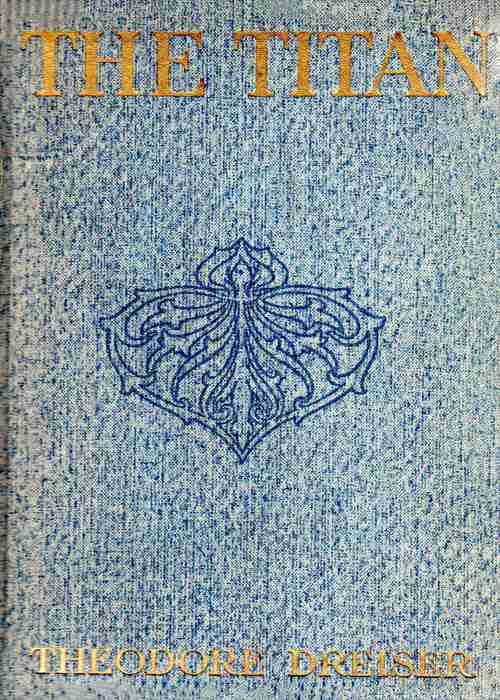 The Titan
by Theodore Dreiser
The Titan
by Theodore Dreiser
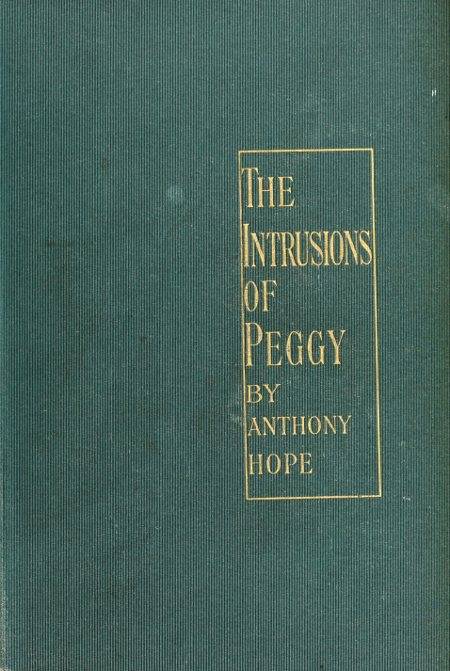 The Intrusions of Peggy
by Anthony Hope
The Intrusions of Peggy
by Anthony Hope