

About This Book
The dialogue stages an extended inquiry into the nature of the sophist and the possibility of falsehood, employing systematic divisions to classify kinds of production and imitation and to separate opinion from knowledge. It argues that not-being must be understood relationally as difference, enabling meaningful predication of negation, and it addresses linguistic and logical puzzles that render sophistry persuasive. By analyzing imitation, appearance, and rhetorical contrivance, the discussion distinguishes genuine philosophical knowledge from dissembling speech and outlines methods of definition, cross-division, and refutation. Recurring themes include the ontology of difference, the limits of language, and the use of dialectical procedure to expose fallacy.
About the Author
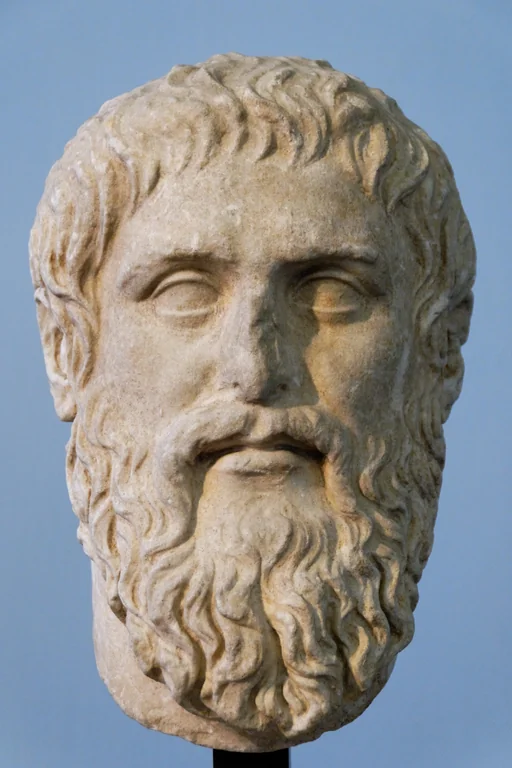
More Books by This Author





You May Also Like
 Back to Methuselah: A Metabiological Pentateuch
by Bernard Shaw
Back to Methuselah: A Metabiological Pentateuch
by Bernard Shaw
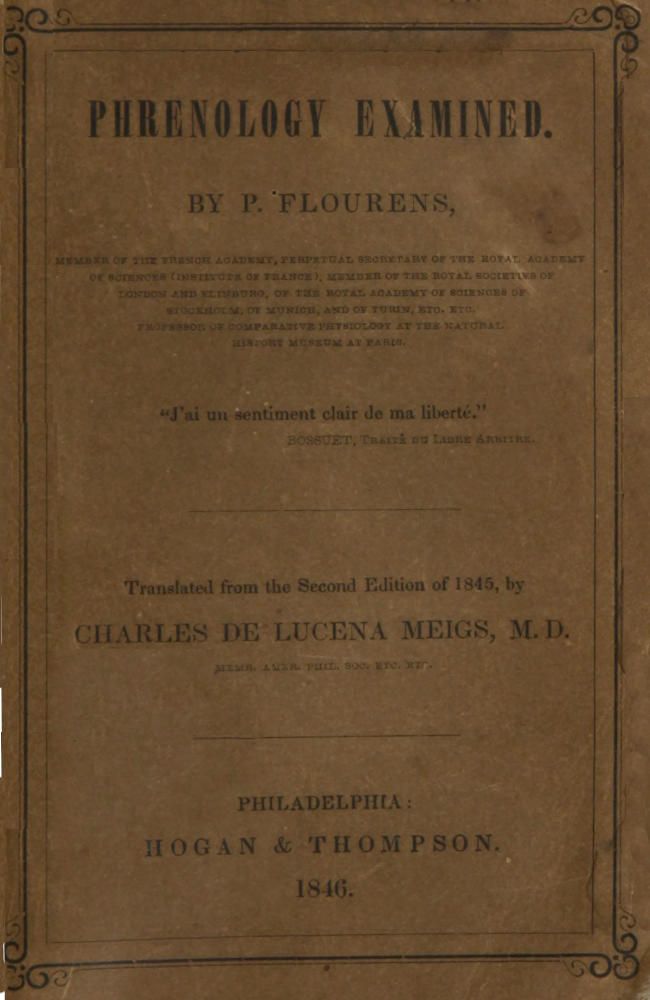 Phrenology Examined
by P. Flourens
Phrenology Examined
by P. Flourens
 A Joy For Ever (and Its Price in the Market)
by John Ruskin
A Joy For Ever (and Its Price in the Market)
by John Ruskin
 Within You is the Power
by Henry Thomas Hamblin
Within You is the Power
by Henry Thomas Hamblin
 An Attic Philosopher in Paris — Complete
by Émile Souvestre
An Attic Philosopher in Paris — Complete
by Émile Souvestre
 A Practical Enquiry into the Philosophy of Education
by James Gall
A Practical Enquiry into the Philosophy of Education
by James Gall