

About This Book
A humorous exploration of the life and experiences of a waiter, this work delves into the intricacies of the profession and the social perceptions surrounding it. The narrative reflects on the author's upbringing in a family of waiters, highlighting the challenges and peculiarities of the trade. Through anecdotes and observations, it critiques societal misunderstandings of waiters and their roles, while also celebrating the camaraderie and resilience within the profession. The writing combines wit and satire, offering a light-hearted yet insightful commentary on the service industry and the human condition.
About the Author

More Books by This Author
6 picks





You May Also Like
6 picks
 The Swindler and Other Stories
by Ethel M. Dell
The Swindler and Other Stories
by Ethel M. Dell
 Where the Phph Pebbles Go
by Miriam Allen De Ford
Where the Phph Pebbles Go
by Miriam Allen De Ford
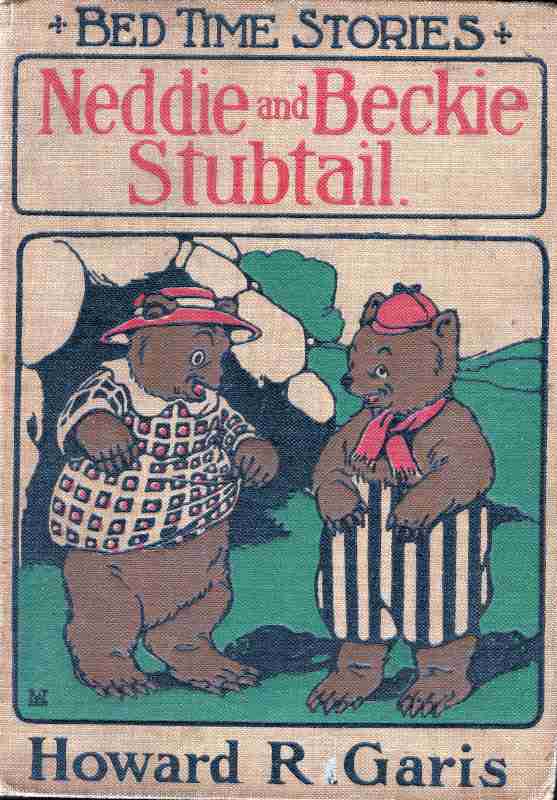 Neddie and Beckie Stubtail (Two Nice Bears) / Bedtime Stories
by Howard Roger Garis
Neddie and Beckie Stubtail (Two Nice Bears) / Bedtime Stories
by Howard Roger Garis
 Incredible Adventures
by Algernon Blackwood
Incredible Adventures
by Algernon Blackwood
 Wise Men and a Mule
by W. C. Tuttle
Wise Men and a Mule
by W. C. Tuttle
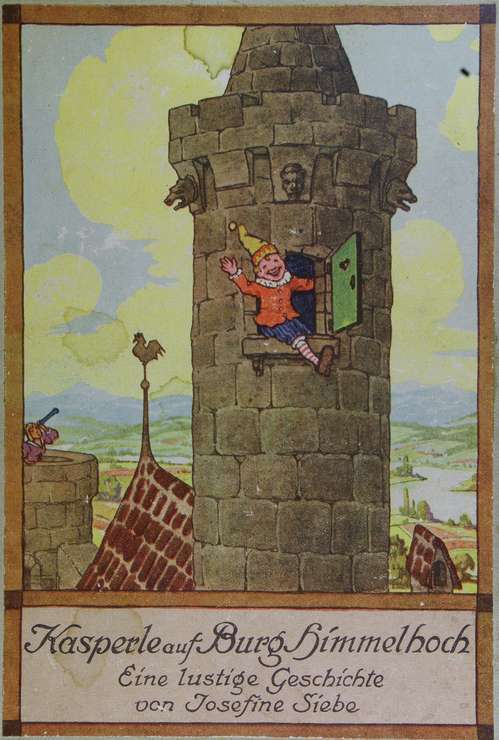 Kasperle auf Burg Himmelhoch
by Josephine Siebe
Kasperle auf Burg Himmelhoch
by Josephine Siebe