
WeRead Powered by ReaderPub
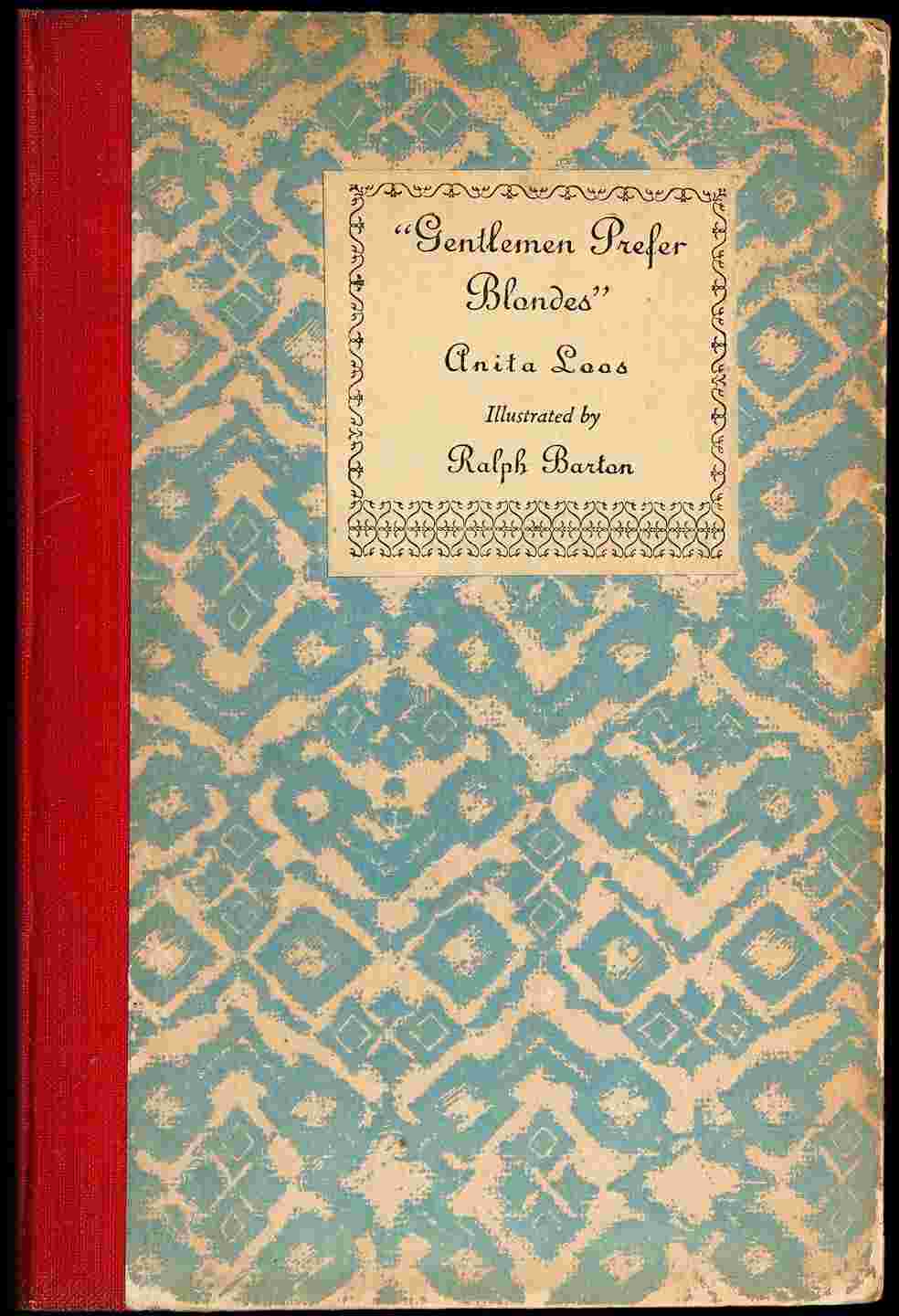
"... Mutta -- naivat tummaverisiä" cover

"... Mutta -- naivat tummaverisiä"

The narrator resumes a diary to recount her life as a married, socially ambitious woman who pursues creative and social projects to keep domestic life lively. She details chaotic film productions that mix melodrama, moral lessons and spectacle, and the compromises required when marriage and impending motherhood collide with show-business demands. Recurrent scenes include conversations with a friend about raising a child in the city versus the husband’s suburban household, comic clashes between metropolitan tastes and a parochial art collection, and ironic observations about fame, domestic expectation, and the performative aspects of modern femininity.

About This Book

The narrator resumes a diary to recount her life as a married, socially ambitious woman who pursues creative and social projects to keep domestic life lively. She details chaotic film productions that mix melodrama, moral lessons and spectacle, and the compromises required when marriage and impending motherhood collide with show-business demands. Recurrent scenes include conversations with a friend about raising a child in the city versus the husband’s suburban household, comic clashes between metropolitan tastes and a parochial art collection, and ironic observations about fame, domestic expectation, and the performative aspects of modern femininity.

About the Author
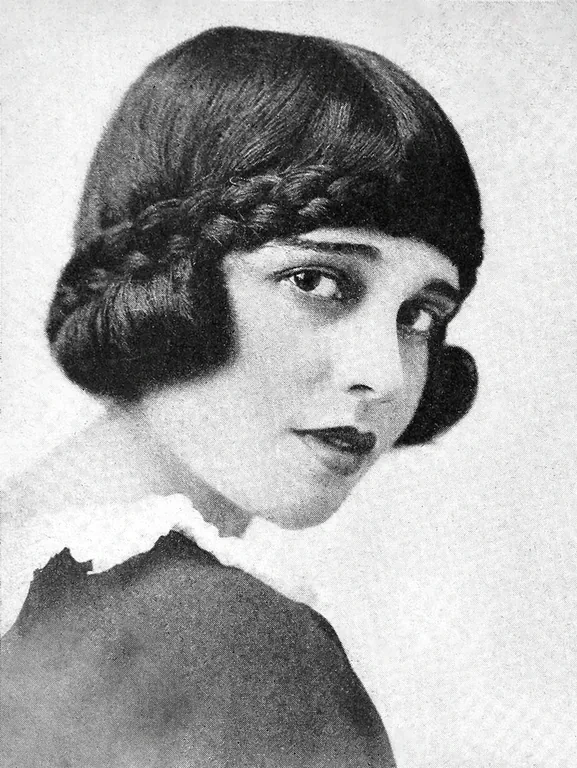
Loos, Anita portrait

Anita Loos

Anita Loos was an American novelist and playwright, best known for her sharp wit and satirical commentary on society. Her most famous work, "Gentlemen Prefer Blondes," published in 1925, explores themes of femininity and materialism through the adventures of its charming protagonist, Lorelei Lee. Loos's writing often reflects the cultural shifts of the early 20th century, particularly regarding gender roles and the pursuit of love and wealth. In addition to her novels, she contributed to the theater, showcasing her versatility as a writer. Her works remain significant in American literature for their humor and insight into the lives of women during her time.

More Books by This Author

You May Also Like