
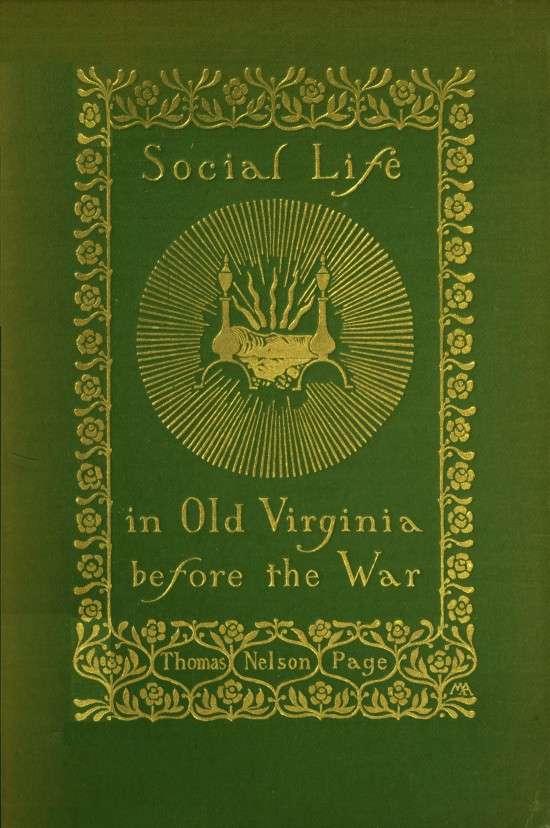
About This Book
A series of nostalgic, descriptive essays reconstructs plantation household life in antebellum Virginia, detailing domestic architecture, gardens, furniture, seasonal labor, entertainments, and social rituals such as dances, church gatherings, and weddings. The author emphasizes manners, hospitality, and codes of gentility while acknowledging the central role of slavery within household and community relations. Personal memory and anecdote mix with ethnographic description to portray everyday interactions among families and enslaved people, and to reflect on the social transformations wrought by the war and its aftermath.
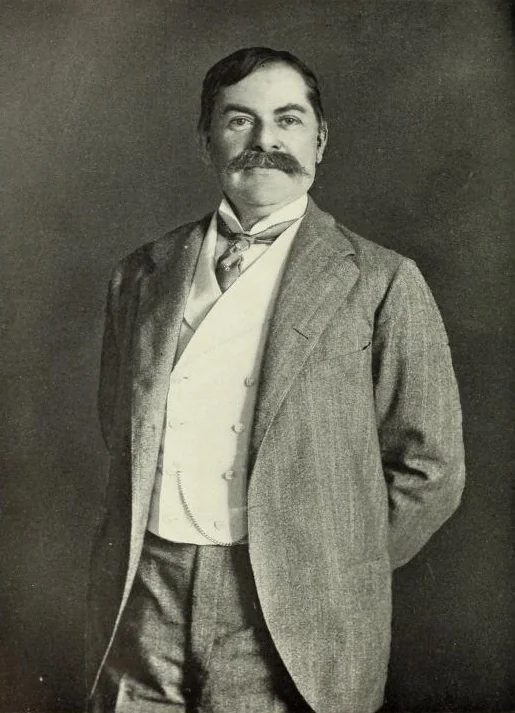
About the Author
More Books by This Author
6 picks




You May Also Like
6 picks
 England and Canada / A Summer Tour Between Old and New Westminster, with Historical Notes
by Sandford Fleming
England and Canada / A Summer Tour Between Old and New Westminster, with Historical Notes
by Sandford Fleming
 Myths of the Cherokee / Extract from the Nineteenth Annual Report of the Bureau of American Ethnology
by James Mooney
Myths of the Cherokee / Extract from the Nineteenth Annual Report of the Bureau of American Ethnology
by James Mooney
 Tales of the Air Mail Pilots
by Burt M. McConnell
Tales of the Air Mail Pilots
by Burt M. McConnell
 Abraham Lincoln: The True Story of a Great Life, Volume 1 (of 2)
by William Henry Herndon
Abraham Lincoln: The True Story of a Great Life, Volume 1 (of 2)
by William Henry Herndon
 The New Land / Stories of Jews Who Had a Part in the Making of Our Country
by Elma Ehrlich Levinger
The New Land / Stories of Jews Who Had a Part in the Making of Our Country
by Elma Ehrlich Levinger
 The Campaign of Trenton 1776-77
by Samuel Adams Drake
The Campaign of Trenton 1776-77
by Samuel Adams Drake