
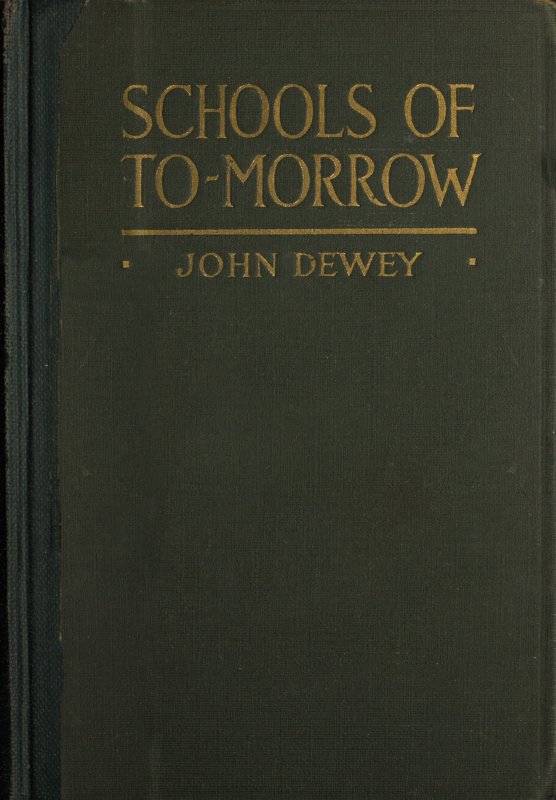
About This Book
The authors examine classroom experiments that treat education as natural development, showing how teachers apply progressive theories in practice. They discuss factors shaping growth, reorganizing curriculum around learners’ interests, the educative role of play, and fostering freedom and individuality. They describe connections between school and community, conceive schools as social settlements, and advocate integrating industry and practical work into instruction to train thinking, habits, and civic responsibility. Case studies of experimental classrooms illustrate methods, classroom organization, and challenges of reform. The overall focus is on making educational theory concrete, aligning school life with children's development, and preparing democratic citizens through active, socially embedded learning.
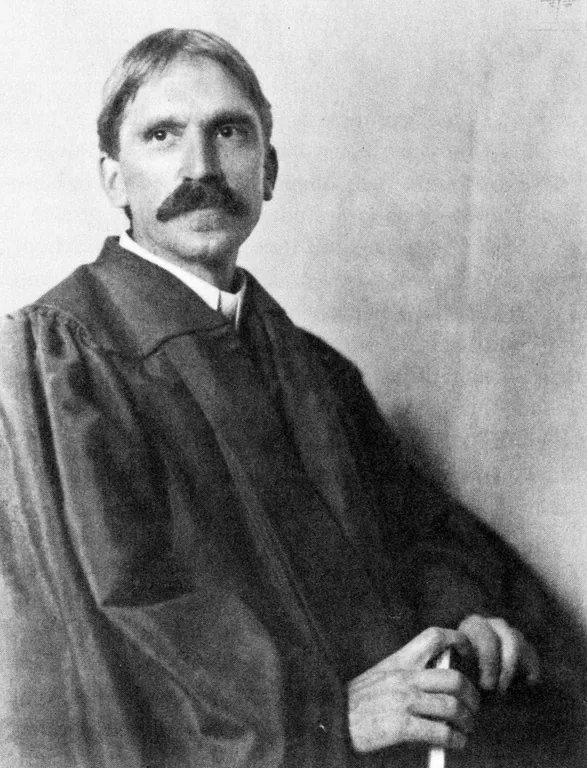
About the Author
More Books by This Author
 China, Japan and the U.S.A. / Present-Day Conditions in the Far East and Their Bearing on the Washington Conference
by John Dewey
China, Japan and the U.S.A. / Present-Day Conditions in the Far East and Their Bearing on the Washington Conference
by John Dewey
 Creative Intelligence: Essays in the Pragmatic Attitude
by John Dewey
Creative Intelligence: Essays in the Pragmatic Attitude
by John Dewey
 Democracy and Education: An Introduction to the Philosophy of Education
by John Dewey
Democracy and Education: An Introduction to the Philosophy of Education
by John Dewey
 Essays in Experimental Logic
by John Dewey
Essays in Experimental Logic
by John Dewey
 Ethics
by John Dewey
Ethics
by John Dewey
 German philosophy and politics
by John Dewey
German philosophy and politics
by John Dewey
You May Also Like
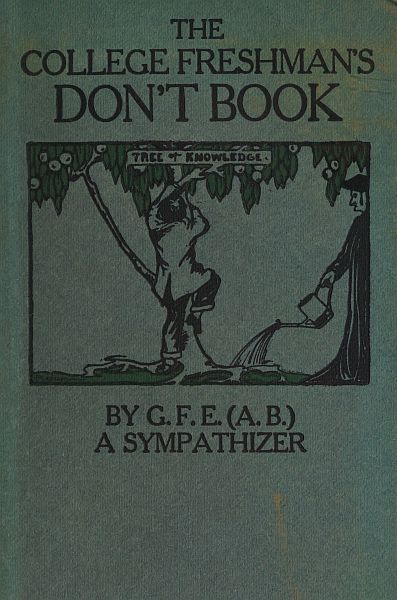 The College Freshman's Don't Book / in the interests of freshmen at large, especially those whose remaining at large uninstructed & unguided appears a worry and a menace to college & university society these remarks and hints are set forth by G. F. E. (A. B.) a sympathizer
by George Fullerton Evans
The College Freshman's Don't Book / in the interests of freshmen at large, especially those whose remaining at large uninstructed & unguided appears a worry and a menace to college & university society these remarks and hints are set forth by G. F. E. (A. B.) a sympathizer
by George Fullerton Evans
 How We Think
by John Dewey
How We Think
by John Dewey
 Emil, vagy a nevelésről
by Jean-Jacques Rousseau
Emil, vagy a nevelésről
by Jean-Jacques Rousseau
 A Girl's Student Days and After
by Jeannette Augustus Marks
A Girl's Student Days and After
by Jeannette Augustus Marks
 The Seventy's Course in Theology, Third Year / The Doctrine of Deity
by B. H. Roberts
The Seventy's Course in Theology, Third Year / The Doctrine of Deity
by B. H. Roberts
 Lecturas fáciles con ejercicios
by Lawrence A. Wilkins
Lecturas fáciles con ejercicios
by Lawrence A. Wilkins